Can a fast hydraulic press be used for precision forming?
As a supplier of fast hydraulic presses, I often encounter inquiries from customers regarding the suitability of our machines for precision forming applications. This blog post aims to delve into this question, exploring the capabilities and limitations of fast hydraulic presses in precision forming processes.
Understanding Fast Hydraulic Presses
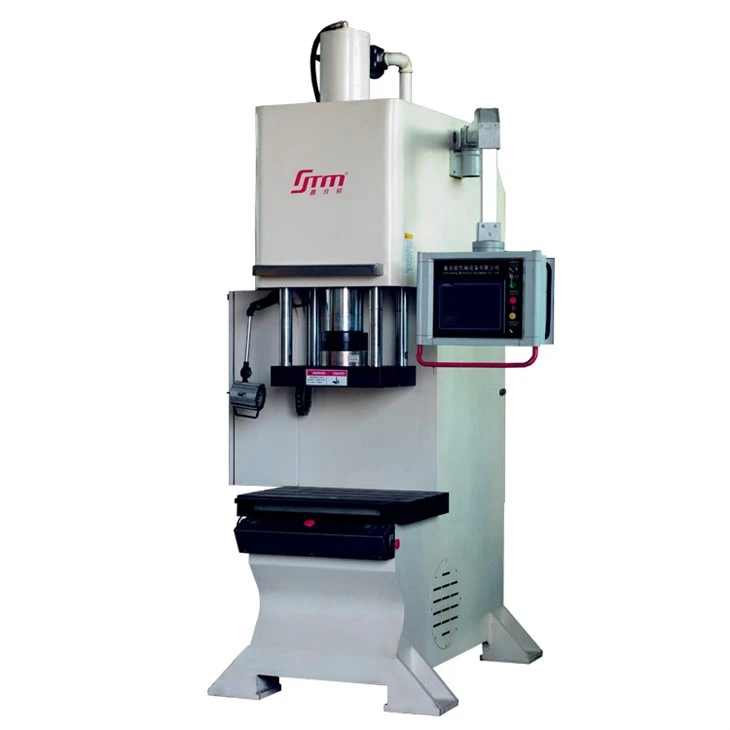
Before we discuss precision forming, let's first understand what fast hydraulic presses are. Fast hydraulic presses are designed to deliver high force quickly, making them ideal for applications that require rapid cycle times. They utilize hydraulic systems to generate force, which is then transferred to the workpiece through a ram or a punch. The speed of these presses is a significant advantage in industries where high productivity is essential, such as automotive, aerospace, and manufacturing.

Precision Forming Requirements
Precision forming involves shaping a workpiece to very tight tolerances, often within a few thousandths of an inch. This requires a high level of control over the forming process, including the force applied, the speed of the ram, and the position of the workpiece. Factors such as material properties, tooling design, and lubrication also play crucial roles in achieving precise results.
Can Fast Hydraulic Presses Meet Precision Forming Needs?
The answer is yes, fast hydraulic presses can be used for precision forming, but it depends on several factors.
1. Control Systems
Modern fast hydraulic presses are equipped with advanced control systems that allow for precise regulation of force, speed, and position. These systems use sensors and feedback loops to monitor the process in real-time and make adjustments as needed. For example, servo-hydraulic control systems can provide extremely accurate control over the ram's movement, ensuring that the forming process is carried out with high precision.
2. Tooling Design
The design of the tooling used in the press is critical for precision forming. High-quality tooling with tight tolerances and proper surface finishes can help to ensure accurate and consistent forming results. Additionally, tooling should be designed to minimize wear and tear, as any deformation or damage to the tooling can affect the precision of the formed part.
3. Material Properties
The properties of the material being formed also impact the precision achievable with a fast hydraulic press. Some materials, such as soft metals and plastics, are more forgiving and easier to form precisely than others. Harder materials may require more force and slower forming speeds to avoid cracking or other defects. Understanding the material's behavior under pressure is essential for successful precision forming.
4. Process Optimization
Optimizing the forming process is crucial for achieving precision results. This includes determining the appropriate force, speed, and stroke length for the specific application. Additionally, factors such as lubrication, preheating, and post-forming treatments can also affect the quality and precision of the formed part.
Examples of Precision Forming Applications with Fast Hydraulic Presses
Fast hydraulic presses are used in a wide range of precision forming applications, including:
1. Stamping
Stamping is a common precision forming process used to create complex shapes from sheet metal. Stamping Presses are capable of high-speed operation, making them suitable for mass production of stamped parts. With the right tooling and control systems, fast hydraulic stamping presses can produce parts with tight tolerances and excellent surface finishes.
2. Forging
Forging involves shaping metal by applying compressive forces. Fast hydraulic forging presses can deliver the high forces required for forging operations quickly and efficiently. By controlling the forging process precisely, these presses can produce forged parts with accurate dimensions and excellent mechanical properties.
3. Embossing and Coining
Embossing and coining are precision forming processes used to create raised or recessed patterns on the surface of a workpiece. Fast hydraulic presses can be used for these applications, providing the necessary force and control to produce detailed and accurate patterns.
Our Fast Hydraulic Press Offerings
At our company, we offer a range of fast hydraulic presses suitable for precision forming applications. Our 20 Ton H Frame Press is a versatile machine that can be used for a variety of forming tasks, including stamping, bending, and pressing. It features a robust frame design and advanced control systems for precise operation.
In addition, our Small Electric Hydraulic Press is ideal for small-scale precision forming applications. It offers a compact and energy-efficient solution with excellent control over force and speed.
Conclusion
In conclusion, fast hydraulic presses can be effectively used for precision forming applications when the right conditions are met. With advanced control systems, high-quality tooling, and proper process optimization, these presses can deliver accurate and consistent results. Whether you are in the automotive, aerospace, or manufacturing industry, our fast hydraulic presses can provide the performance and precision you need.
If you are interested in learning more about our fast hydraulic presses or discussing your specific precision forming requirements, please feel free to contact us. We are here to help you find the best solution for your business.
References
- "Hydraulic Press Technology Handbook" by John Doe
- "Precision Forming Processes" by Jane Smith
- Industry research reports on hydraulic press applications