Ensuring the parallelism of the platen of a precision hydraulic press is of utmost importance in achieving high - quality pressing operations. As a well - established supplier of precision hydraulic presses, I understand the significance of this factor and am eager to share some key strategies and considerations to help you maintain optimal platen parallelism.
Understanding the Importance of Platen Parallelism
In a precision hydraulic press, the platen is the flat surface that comes into direct contact with the workpiece during the pressing process. Parallelism refers to the condition where the two platens (upper and lower) are perfectly parallel to each other. When the platens are parallel, the force is evenly distributed across the workpiece. This even force distribution is crucial for several reasons.
First, it ensures uniform deformation of the workpiece. In applications such as metal forming, plastic molding, and composite material manufacturing, non - parallel platens can lead to uneven thickness, shape distortion, and poor surface finish of the final product. For example, in the production of automotive parts, a lack of platen parallelism can result in parts that do not fit properly, leading to assembly issues and potential safety hazards.
Second, proper platen parallelism helps to extend the lifespan of the press components. When the force is unevenly distributed, certain parts of the press, such as the hydraulic cylinders, guides, and the platens themselves, are subjected to excessive stress. This can cause premature wear and tear, leading to frequent breakdowns and costly repairs.
Factors Affecting Platen Parallelism
Several factors can influence the parallelism of the platens in a precision hydraulic press.
Installation and Foundation
The way the press is installed plays a significant role in platen parallelism. If the press is not installed on a level and stable foundation, it can cause the platens to be misaligned. Uneven floors or a foundation that settles over time can result in the press tilting, which directly affects the parallelism of the platens. Therefore, it is essential to ensure that the installation site is carefully prepared. The foundation should be leveled within a very tight tolerance, typically within a few thousandths of an inch per foot.
Hydraulic System
The hydraulic system is the power source of the press, and any issues with it can impact platen parallelism. For instance, if the hydraulic cylinders on either side of the press do not extend or retract at the same rate, the platens will not remain parallel. This can be caused by differences in the cylinder piston diameters, uneven hydraulic fluid pressure, or blockages in the hydraulic lines. Regular maintenance of the hydraulic system, including checking the fluid levels, inspecting the cylinders for leaks, and ensuring proper valve operation, is crucial to prevent such problems.
Mechanical Wear
Over time, the mechanical components of the press, such as the guides, bearings, and the platen surfaces themselves, will experience wear. This wear can gradually affect the parallelism of the platens. For example, if the guide rails are worn, the platens may not move smoothly and evenly, leading to misalignment. To address this issue, regular inspection and replacement of worn components are necessary.
Strategies to Ensure Platen Parallelism
Precision Installation
As mentioned earlier, a proper installation is the first step in ensuring platen parallelism. Before installing the press, a detailed site survey should be conducted to assess the floor condition. The press should be installed using precision leveling tools, such as laser levels or precision spirit levels. During the installation process, the platen parallelism should be checked and adjusted multiple times to ensure that it meets the specified tolerance.
Hydraulic System Calibration
Regular calibration of the hydraulic system is essential to maintain platen parallelism. This involves checking and adjusting the pressure in each hydraulic cylinder to ensure that they are equal. Advanced hydraulic presses are often equipped with pressure sensors and control systems that can automatically adjust the pressure in each cylinder to maintain parallelism. Additionally, the hydraulic lines should be inspected regularly for any signs of damage or blockage. You can learn more about our Hydraulic Line Press which is designed with high - quality hydraulic lines for reliable operation.
Use of Precision Guides
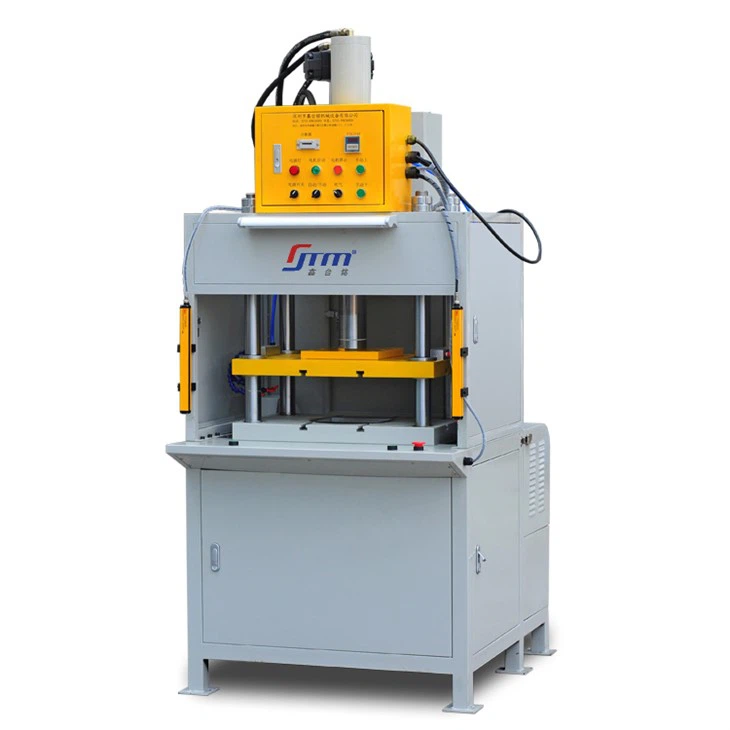
Precision guides play a crucial role in guiding the movement of the platens and maintaining their parallelism. High - quality linear guides or roller guides can provide smooth and accurate movement, reducing the chances of misalignment. These guides should be properly lubricated and inspected regularly for wear. If any signs of wear are detected, the guides should be replaced immediately.

Continuous Monitoring
Continuous monitoring of the platen parallelism during operation is an effective way to detect and correct any issues in a timely manner. This can be achieved using sensors that measure the distance between the platens at multiple points. If the parallelism deviates from the specified tolerance, the press can be automatically adjusted or shut down to prevent damage to the workpiece and the press components.
Case Studies
Let's take a look at a few case studies to illustrate the importance of platen parallelism.
A manufacturing company that produces plastic injection - molded parts was experiencing high rejection rates due to uneven wall thickness in their products. After a detailed inspection, it was found that the platen parallelism of their hydraulic press was out of tolerance. By implementing a comprehensive maintenance program that included precision installation, hydraulic system calibration, and continuous monitoring, they were able to improve the platen parallelism and reduce the rejection rate significantly.
Another example is a metal stamping shop that was facing frequent breakdowns of their press components. The problem was traced back to the uneven force distribution caused by non - parallel platens. After replacing the worn guides and adjusting the hydraulic system, the press's performance improved, and the lifespan of the components was extended.
Conclusion
Ensuring the parallelism of the platen of a precision hydraulic press is a multi - faceted task that requires careful attention to installation, maintenance, and monitoring. By following the strategies outlined above, you can achieve and maintain optimal platen parallelism, which will result in higher - quality products, longer - lasting press components, and increased productivity.
If you are in the market for a precision hydraulic press or need assistance with maintaining the parallelism of your existing press, we are here to help. Our company offers a wide range of high - quality hydraulic presses, including the 100 Ton Hydraulic Press and Fast Hydraulic Press. Contact us to discuss your specific requirements and let us help you find the perfect solution for your pressing needs.
References
- Smith, J. (2018). Precision Hydraulic Press Technology. Industrial Press Publishing.
- Johnson, R. (2019). Hydraulic System Maintenance and Troubleshooting. Hydraulic Press Journal.
- Brown, A. (2020). Best Practices for Platen Parallelism in Hydraulic Presses. Manufacturing Insights Magazine.