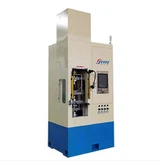
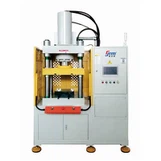
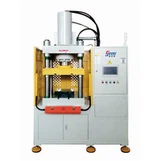
In the dynamic landscape of electronic component manufacturing, the pursuit of precision, efficiency, and innovation drives continuous exploration of new technologies and equipment. As a leading supplier of hot hydraulic presses, I often encounter inquiries about the viability of using our machines in the production of electronic components. In this blog post, I aim to delve into this topic, exploring the potential applications, advantages, and considerations of using hot hydraulic presses in electronic component manufacturing.
Understanding Hot Hydraulic Presses
Before we explore their use in electronic component manufacturing, let's first understand what hot hydraulic presses are. A hot hydraulic press is a machine that uses hydraulic pressure to apply force to a workpiece, typically in a heated environment. The hydraulic system generates high pressure, which is transmitted to the ram or platen, allowing it to exert a significant amount of force on the material being processed. The heating element in a hot hydraulic press enables the temperature of the platen or the workpiece to be controlled, which is crucial for certain manufacturing processes.
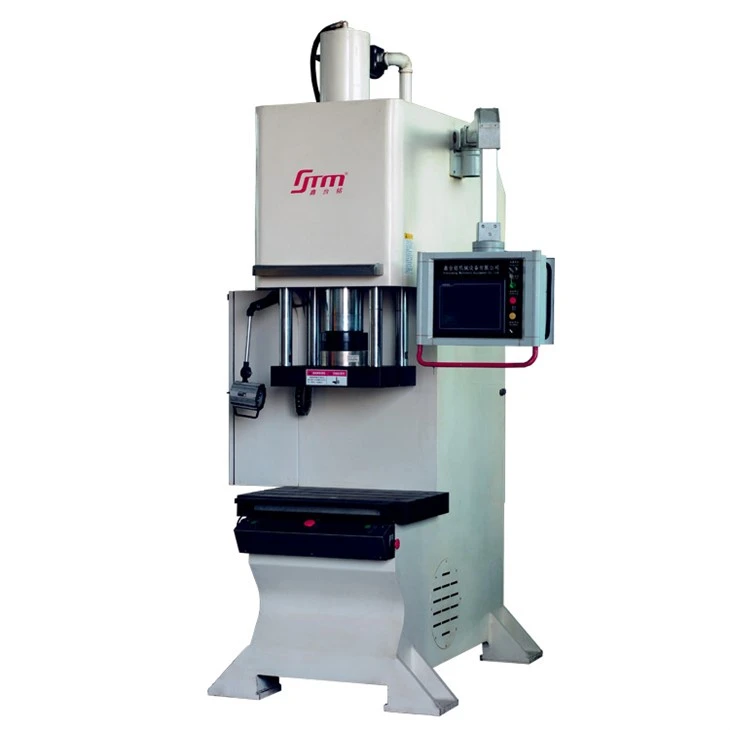

Hot hydraulic presses come in various sizes, capacities, and configurations, making them versatile tools for a wide range of industries. They are commonly used in processes such as molding, pressing, laminating, and forming, where precise control of pressure, temperature, and time is required.
Potential Applications in Electronic Component Manufacturing
The electronic component manufacturing industry demands high precision, reliability, and consistency in the production process. Hot hydraulic presses offer several advantages that make them suitable for various applications in this field. Here are some potential uses of hot hydraulic presses in electronic component manufacturing:
1. Printed Circuit Board (PCB) Manufacturing
Printed circuit boards are the backbone of electronic devices, providing the electrical connections between components. Hot hydraulic presses can be used in the manufacturing of PCBs in several ways. For example, they can be used to laminate the layers of copper and dielectric materials together, ensuring a strong and reliable bond. The controlled pressure and temperature provided by the hot hydraulic press help to eliminate air bubbles and voids, resulting in high-quality PCBs with excellent electrical performance.
Additionally, hot hydraulic presses can be used for the embossing and stamping of PCBs, creating precise patterns and features on the surface of the board. This can be useful for applications such as surface mount technology (SMT) assembly, where the accurate placement of components is crucial.
2. Semiconductor Packaging
Semiconductor packaging is the process of enclosing semiconductor chips in a protective package, providing electrical connections and mechanical support. Hot hydraulic presses play a vital role in semiconductor packaging, particularly in the molding and encapsulation processes. They can be used to mold the plastic or ceramic package around the semiconductor chip, ensuring a tight and secure fit. The high pressure and temperature applied by the hot hydraulic press help to ensure that the package material fills all the gaps and voids, providing excellent protection for the chip.
Moreover, hot hydraulic presses can be used for the bonding of semiconductor chips to the substrate or lead frame. The controlled pressure and temperature help to create a strong and reliable bond, improving the electrical and mechanical performance of the packaged semiconductor device.
3. Battery Manufacturing
With the increasing demand for portable electronic devices and electric vehicles, battery manufacturing has become a critical area of the electronic component industry. Hot hydraulic presses can be used in the production of batteries, particularly in the electrode manufacturing process. They can be used to compress and shape the electrode materials, such as lithium-ion battery electrodes, to improve their density and performance. The controlled pressure and temperature provided by the hot hydraulic press help to ensure uniform compression and distribution of the electrode materials, resulting in high-quality batteries with longer life and better performance.
4. Electronic Enclosure Manufacturing
Electronic enclosures are used to protect electronic components from environmental factors, such as dust, moisture, and mechanical damage. Hot hydraulic presses can be used in the manufacturing of electronic enclosures, particularly in the molding and forming processes. They can be used to mold plastic or metal enclosures into the desired shape, providing a precise and consistent fit for the electronic components. The high pressure and temperature applied by the hot hydraulic press help to ensure that the enclosure material is properly formed and bonded, resulting in strong and durable enclosures.
Advantages of Using Hot Hydraulic Presses in Electronic Component Manufacturing
The use of hot hydraulic presses in electronic component manufacturing offers several advantages over traditional manufacturing methods. Here are some of the key benefits:
1. Precision and Control
Hot hydraulic presses provide precise control over the pressure, temperature, and time of the manufacturing process. This allows for the production of electronic components with high precision and consistency, ensuring that they meet the strict quality standards of the industry. The ability to control these parameters also enables manufacturers to optimize the manufacturing process, improving the efficiency and productivity of their operations.
2. Versatility
Hot hydraulic presses are highly versatile machines that can be used for a wide range of manufacturing processes. They can be easily configured to accommodate different types of materials, shapes, and sizes of electronic components. This versatility makes them suitable for use in various stages of the electronic component manufacturing process, from PCB manufacturing to semiconductor packaging and battery production.
3. Improved Quality
The use of hot hydraulic presses in electronic component manufacturing can significantly improve the quality of the final products. The controlled pressure and temperature help to eliminate defects, such as air bubbles, voids, and delamination, resulting in electronic components with excellent electrical and mechanical performance. The high precision and consistency of the manufacturing process also ensure that the components are uniform in size and shape, reducing the risk of failure and improving the reliability of the electronic devices.
4. Cost-Effectiveness
Although hot hydraulic presses may require a significant initial investment, they can be highly cost-effective in the long run. The high precision and consistency of the manufacturing process reduce the need for rework and scrap, resulting in lower production costs. Additionally, the versatility of hot hydraulic presses allows manufacturers to use the same machine for multiple applications, reducing the need for additional equipment and saving on capital costs.
Considerations for Using Hot Hydraulic Presses in Electronic Component Manufacturing
While hot hydraulic presses offer many advantages in electronic component manufacturing, there are also some considerations that manufacturers need to keep in mind. Here are some of the key factors to consider:
1. Material Compatibility
Not all materials are suitable for use with hot hydraulic presses. Some materials may be sensitive to high temperatures or pressures, which can cause them to deform, melt, or degrade. Manufacturers need to carefully select the materials that are compatible with the hot hydraulic press and the manufacturing process. They also need to ensure that the materials are properly prepared and handled to avoid any damage or contamination.
2. Maintenance and Calibration
Hot hydraulic presses require regular maintenance and calibration to ensure their proper operation and performance. The hydraulic system, heating elements, and other components need to be inspected, cleaned, and lubricated on a regular basis to prevent wear and tear. The pressure and temperature sensors also need to be calibrated periodically to ensure accurate readings. Manufacturers need to have a maintenance and calibration schedule in place and ensure that their operators are properly trained to perform these tasks.
3. Safety
Hot hydraulic presses can be dangerous if not used properly. The high pressure and temperature can cause serious injuries or damage to the equipment and the environment. Manufacturers need to ensure that their operators are properly trained on the safe operation of the hot hydraulic press and that they follow all the safety guidelines and procedures. They also need to provide appropriate safety equipment, such as protective clothing, gloves, and goggles, to their operators.
4. Environmental Impact
The use of hot hydraulic presses in electronic component manufacturing can have an environmental impact. The heating elements in the hot hydraulic press consume a significant amount of energy, which can contribute to greenhouse gas emissions. Manufacturers need to consider the environmental impact of their manufacturing processes and take steps to reduce their energy consumption and carbon footprint. They can use energy-efficient heating elements, optimize the manufacturing process to reduce energy waste, and explore the use of renewable energy sources.
Conclusion
In conclusion, hot hydraulic presses have the potential to be used in a wide range of applications in electronic component manufacturing. Their precision, control, versatility, and ability to improve the quality of the final products make them a valuable tool for manufacturers in this industry. However, manufacturers need to carefully consider the material compatibility, maintenance and calibration, safety, and environmental impact of using hot hydraulic presses in their operations.
As a supplier of hot hydraulic presses, we are committed to providing our customers with high-quality, reliable, and cost-effective machines that meet their specific needs. We offer a wide range of Customized Hydraulic Press to suit different applications and requirements. Our Stamping Presses are designed to provide precise and consistent pressure for stamping operations, while our Otc 50 Ton Press offers high-capacity pressing capabilities.
If you are interested in using hot hydraulic presses in your electronic component manufacturing process, we would be happy to discuss your requirements and provide you with a customized solution. Contact us today to start the conversation and explore how our hot hydraulic presses can help you improve your manufacturing efficiency and product quality.
References
- Smith, J. (2019). Handbook of Electronic Component Manufacturing. Wiley.
- Jones, A. (2020). Advanced Manufacturing Technologies for Electronic Devices. Elsevier.
- Brown, R. (2021). Hydraulic Press Technology and Applications. Springer.