Can a Jet Hydraulic Press be used for pressing plastics?
Hey there! As a supplier of Jet Hydraulic Presses, I get asked a lot of questions about what these machines can and can't do. One question that comes up quite often is whether a Jet Hydraulic Press can be used for pressing plastics. Well, let's dive right into it and find out.
First off, let's understand what a Jet Hydraulic Press is. It's a powerful piece of equipment that uses hydraulic force to apply pressure. This force can be used in a variety of industrial applications, from shaping metals to compacting materials. But when it comes to plastics, things get a bit more interesting.
Plastics are a diverse group of materials with different properties. Some plastics are soft and flexible, like polyethylene used in plastic bags. Others are hard and rigid, like polycarbonate used in safety glasses. The type of plastic and its intended application play a crucial role in determining if a Jet Hydraulic Press is the right tool for the job.
One of the main advantages of using a Jet Hydraulic Press for pressing plastics is the precise control of pressure. Unlike some other types of presses, a hydraulic press can apply a consistent and adjustable amount of force. This is essential when working with plastics because different plastics require different levels of pressure to be molded or formed properly. For example, if you're trying to create a plastic part with a specific shape and thickness, you need to be able to control the pressure accurately to ensure a high - quality end product.
Another benefit is the ability to handle large - scale production. Jet Hydraulic Presses are designed to be robust and can operate continuously for long periods. This makes them suitable for mass - producing plastic products. Whether you're making small plastic components for electronics or large plastic containers, a Jet Hydraulic Press can keep up with the demand.
However, there are also some challenges when using a Jet Hydraulic Press for plastics. One of the biggest issues is heat management. Plastics can be sensitive to heat, and the friction generated during the pressing process can cause the plastic to overheat. Overheating can lead to deformation, discoloration, or even degradation of the plastic material. To overcome this, proper cooling systems need to be in place. Some Jet Hydraulic Presses come with built - in cooling mechanisms, while others may require additional external cooling equipment.
The type of mold used is also crucial. The mold needs to be designed specifically for the plastic material and the desired shape of the final product. It should be made of a material that can withstand the pressure and temperature during the pressing process. A poorly designed mold can result in defective plastic parts and may also damage the press itself.
Now, let's talk about some specific applications where a Jet Hydraulic Press can be used for pressing plastics. One common application is in the production of plastic sheets. By using a Jet Hydraulic Press, manufacturers can create plastic sheets of various thicknesses and sizes. These sheets can then be used for a wide range of purposes, such as in construction, packaging, and automotive industries.
Another application is in the molding of plastic parts. For instance, in the automotive industry, many interior and exterior plastic components are made using hydraulic presses. The press can shape the plastic into complex geometries with high precision, which is important for both aesthetic and functional reasons.
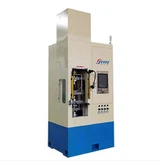
If you're in the market for a press to work with plastics, you might also be interested in some related products. For example, our Hydraulic Baling Press Machine can be useful if you need to compact plastic waste or scrap for recycling. It uses hydraulic force to compress the plastic into bales, making it easier to handle and transport.
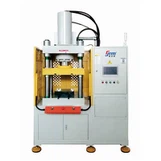
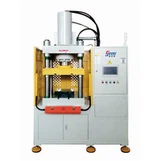
Our 55 Ton Hydraulic Press is a great option if you're looking for a mid - sized press with enough power to handle a variety of plastic pressing tasks. It offers a good balance between size, power, and cost - effectiveness.
And if you're involved in stamping operations with plastics, our Stamping Presses can provide the high - speed and accurate stamping required for many plastic products.
In conclusion, a Jet Hydraulic Press can definitely be used for pressing plastics, but it requires careful consideration of various factors such as pressure control, heat management, and mold design. If you're thinking about using a press for your plastic production needs, we're here to help. We have a wide range of Jet Hydraulic Presses that can be customized to meet your specific requirements. Whether you're a small - scale manufacturer or a large industrial company, we can provide you with the right equipment and support.
If you're interested in learning more about our Jet Hydraulic Presses or have any questions about using them for pressing plastics, don't hesitate to get in touch. We're always happy to have a chat and discuss how we can help you take your plastic production to the next level.
References


- "Plastics Processing Handbook" by Osswald, T. A., & Turng, L. - S.
- "Hydraulic Press Technology and Applications" by Smith, J. R.