


What Is Hydraulic Baling Press Machine?
A Hydraulic Baling Press Machine is a type of baler that uses hydraulic force to compress and bind materials into bales. This type of baling press is widely used in various industries for processing recyclable materials, waste management, and compacting different types of commodities for storage and transportation.
Advantages of Hydraulic Baling Press Machine
Efficient Material Handling: These machines can handle a wide range of materials, including cardboard, plastics, paper, and more. By compacting the materials into dense bales, they optimize storage and transportation, reducing logistical challenges.
Waste Volume Reduction: Hydraulic Baler machines significantly reduce the volume of waste materials. Compressed bales take up less space, leading to cost savings in storage and transportation, and minimizing the need for large landfills.
Environmental Conservation: By promoting recycling and reducing waste disposal, these machines contribute to environmental conservation. They help conserve natural resources and reduce greenhouse gas emissions associated with waste decomposition.
Cost Savings: With efficient waste management, businesses and municipalities can save on waste disposal costs. Additionally, the sale of recycled materials can become an additional revenue stream.
Space Optimization: Especially in urban areas with limited space, hydraulic baling press machines optimize storage space. Compact bales allow businesses and municipalities to store more waste and recyclable materials in a smaller area.
Increased Recycling Rates: By making waste recycling more cost-effective and convenient, these machines encourage higher recycling rates, leading to a more sustainable waste management system.
Safety Features: Modern Baling Press Machine is equipped with safety features to ensure secure operation. Emergency stop buttons, interlocking systems, and safety guards protect operators from accidents.
Versatility: Hydraulic press machines can be adapted to handle different types and quantities of materials, making them suitable for a variety of industries and waste management facilities.
Resource Conservation: The use of hydraulic baling press machines reduces the demand for raw materials by recycling and reusing existing materials, contributing to a circular economy.
Compliance with Regulations: Many regions have strict waste management regulations. Hydraulic baling press machines help businesses and municipalities comply with these regulations and avoid potential fines.

20 Ton Electric Hydraulic Press
The 20 ton electric hydraulic press is a hydraulic equipment that integrates efficiency, accuracy, and safety. It adopts electric drive combined with hydraulic transmission technology to achieve high-precision control and large tonnage pressing. This equipment is widely used in various industries such as light industry, food, shoemaking, lighting, electrical appliances, toys, hardware equipment, furniture, etc. It is particularly suitable for various sheet metal forming processing, pressing, die-cutting and other operations.

The 50 ton hydraulic press is a powerful and compact hydraulic forming equipment. It adopts advanced hydraulic transmission technology, converts mechanical energy into liquid pressure energy through hydraulic pumps, and then uses hydraulic cylinders to transfer pressure to the workpiece, achieving various material pressing, forming, stretching, bending and other process operations.

Electric Over Hydraulic Press is a molding equipment that combines electric drive and hydraulic transmission technology. It uses an electric motor to drive a hydraulic pump, converting electrical energy into hydraulic energy, and then converting hydraulic energy into mechanical energy through a hydraulic cylinder, achieving process operations such as pressing, forming, stretching, and bending of workpieces.

50 ton pressure is a mechanical equipment that can generate 50 tons of pressure. This type of press is widely used in various production and manufacturing processes that require precise control and the application of a large amount of pressure.

Efficient design: Jet Hydraulic Press adopts a unique spraying technology that can quickly and effectively inject high-pressure liquid into the working area that needs to be processed, greatly improving work efficiency.
Accurate control: Through a precise control system, it is possible to ensure accurate control of the pressure and flow rate of the liquid during the spraying process, thereby achieving precise processing results.

75 ton hydraulic press is a high-performance mechanical equipment mainly used for pressing and forming processes of materials such as metal, plastic, rubber, etc.
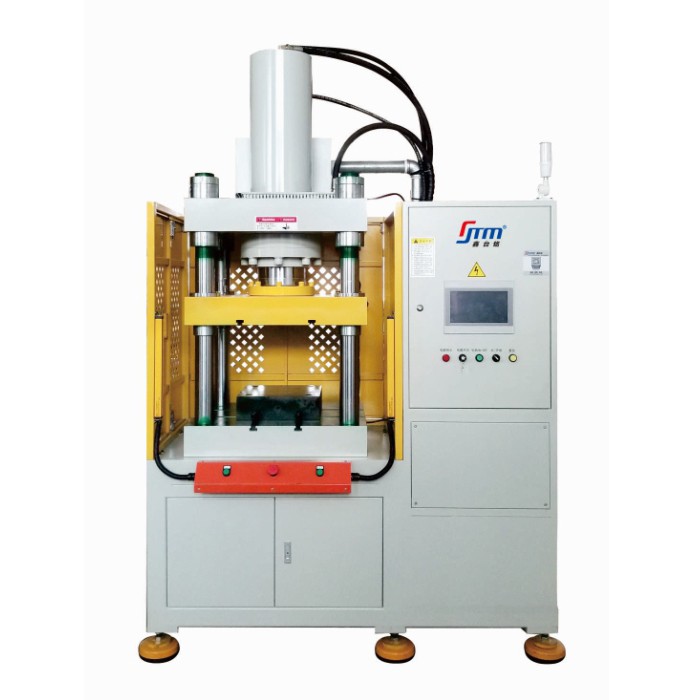
Electric Hydraulic Press for Blacksmithing
Electric Hydraulic Press for Blacksmith is an electric hydraulic press designed specifically for blacksmiths. This device combines electric drive and hydraulic transmission technology to provide efficient and accurate solutions for processes such as forging, pressing, and bending of metal materials.

Four Column Three Beam Hydraulic Press
Four column three beam hydraulic press is a hydraulic mechanical equipment that adopts a four column and three plate structure. It uses a hydraulic system to achieve compression, which has the characteristics of simple operation, high pressure, and good stability. It mainly consists of oil cylinders, guide pillars, guide sleeves, movable plates, workbenches, and other parts.

50 Ton Electric Hydraulic Press
A 50 ton electric hydraulic press is a mechanical equipment that uses an electric motor to drive, convert electrical energy into hydraulic energy, and then generate pressure through a hydraulic cylinder to achieve material forming and processing. Its efficient, precise, and safe characteristics make it widely used in industries such as light industry, food, shoemaking, lighting, electrical appliances, toys, hardware equipment, furniture, etc.
Our factory
Shenzhen xintaiming intelligent equipment co., ltd. Was established in 2008 and is a manufacturer of precision press equipment and intelligent systems with nearly 20 years of experience in the hydraulic equipment industry.
Advanced equipment
Having multiple production equipment, such as high-precision cnc machine tools, large water mills, precision carving machines, cutting machines, milling machines, etc.
High quality
Our products are manufactured to very high standards, using the finest materials and manufacturing processes.
Customized services
According to customer needs and scenarios, to provide personalized customized program to meet the special needs of customers.
24h online service
We try and respond to all concerns within 24 hours and our teams are always at your disposal in case of any emergencies.
Types of Hydraulic Baling Press Machine
Vertical Balers
Suitable for smaller volumes and a variety of materials. These are often used in retail stores, small recycling centres, and other low-volume applications.
Horizontal Balers
Designed for high-volume applications, these machines can handle larger quantities of material and produce more uniform bales. They are ideal for recycling centres, manufacturing plants, and waste management companies.
Automatic Balers
These machines offer automation features such as automatic tying and ejection of bales. They are suitable for high-volume operations where labour savings and efficiency are critical.
Specialty Balers
Designed for specific materials such as textiles, plastics, or metals. These balers often have specialized features to handle the unique characteristics of the material.
Application of Hydraulic Baling Press Machine
Recycling centers
Hydraulic baling machines are extensively used in recycling centers to process materials like paper, cardboard, and plastics. By compacting these materials into bales, recycling facilities can optimize storage space and transportation efficiency, contributing to overall cost savings.
Manufacturing facilities
Industries generating substantial waste, such as manufacturing plants, find hydraulic press machines beneficial for managing their recyclable and non-recyclable waste. This not only helps in maintaining a cleaner workspace but also aligns with sustainability goals.
Logistics and warehousing
In the logistics and warehousing sector, managing packaging waste is a significant challenge. Baler press machines assist in consolidating cardboard boxes, packaging materials, and other recyclables, streamlining waste management processes.
Metal scrap yards
Hydraulic machines are crucial in metal scrap yards, where they compact metal scraps into dense bales. This not only reduces storage space requirements but also enhances the ease of transportation to metal recycling facilities.
Components Of Hydraulic Baling Press Machine
Hydraulic cylinder
The heart of the machine, responsible for generating the compressive force.
Pump
Powers the hydraulic system by moving fluid into the cylinder.
Motor
Drives the pump, can be electric or diesel-powered.
Control valves
Regulate the flow and pressure of the hydraulic fluid.
Baling chamber
The compartment where materials load and compress.
Platen
The pressing plate that moves to compress the materials.
Tying mechanism
Ensures that the compressed bale securely strapp.
How to Maintain Hydraulic Baling Press Machine
Regular baler equipment cleaning regimes
Keeping your baler equipment spotless isn't just about aesthetics. It's a core part of its upkeep. Dirt and debris can lead to serious issues like jams and wear.Start by wiping down accessible parts daily and removing any waste material that could get caught.Every week, give your machine a more thorough clean and check for potential blockages.
Keep an eye on the hydraulics
Hydraulics are the heartbeat of your baler options. These powerful systems need regular check-ups to ensure they're not leaking and that the pressure is constant. Leaks can be sneaky, so stay vigilant.
Catching a drip early can prevent a flood of problems later on. Keep the fluid at the recommended level, and always opt for quality hydraulic oil. This isn't the place to cut corners as top-notch fluid keeps the system running smoothly and reduces the strain on your industrial baler.
Lubrication is key
Any piece of equipment with moving parts loves one thing: Lubrication. It reduces friction, which means less wear and a longer life for your baler machine care.
This isn't just maintenance. It's a performance booster for your baler equipment that ensures every part moves like a well-oiled machine; because, well, it is.
Routine inspection routines
Inspections are your early-warning system. They can catch issues before they turn into expensive repairs.
Every month, take a tour of your baler. Look for signs of strain, check belts for tension, and ensure that safety guards are in place.
This isn't just about ticking boxes; it's about knowing your machine inside and out. With a baler machine care plan in place, including these routine check-ups, you're investing in its reliability and safety.
Sharpening and alignment for efficiency
A well-sharpened blade on baler equipment cuts cleaner and faster. It's simple; dull blades drag, tear, and stress both the material and the machine. So, make blade sharpening part of your routine. It's a small task that has a big impact on efficiency and longevity.
And while you're at it, check the alignment. Blades that don't line up can cause jams and uneven wear.
Update software and technology
Today's baler machines are smart, but their smarts can get outdated quickly. Staying current with software updates is key. These updates can boost your baler's efficiency, add new features, and improve safety protocols.
They can even solve problems you didn't know you had. Don't let your baler get left behind. Schedule regular software check-ins to keep your baler's tech on the cutting edge.
Professional training for operators
Your baler machine is only as good as the person operating it. That's why investing in professional training is a must. Skilled operators know how to run the machine efficiently, spot signs of trouble early, and handle the different materials correctly.
Implement a replacement schedule for parts
Keeping your baler equipment in top shape means knowing when parts need a swap-out before they give up the ghost. It's about timing. You don't wait for a flat to fix your tire, right? The same goes for your baler's parts.
Belts, blades, and wires; all have a life span. Stay ahead of the game by marking a calendar with replacement dates. It's like giving your baler a new lease on life, part by part. This proactive approach can save you from the downtime that hits you where it hurts; the workflow and the wallet.
How the Hydraulic Baling Press Machine Works
Loading
The material to be baled is loaded into the chamber of the machine. This can be done manually or using conveyors, depending on the size and type of the material.
Compression chamber
The machine consists of a compression chamber where the material is placing. This chamber has walls, a floor, and a moveable lid or platen.
Hydraulic system
The heart of the hydraulic baling press machine is its hydraulic system. This system uses hydraulic fluid (usually oil) to generate pressure, which is then using to compress the material.
Platen movement
The hydraulic system operates a piston or plunger connected to the moveable platen or lid. When the hydraulic fluid is pressurizing, it pushes the platen downward into the chamber, exerting pressure on the material. This pressure compacts the material and reduces its volume.
Bale formation
As the platen continues to move downward, it compresses the material tightly into a compact bale. The pressure exerted by the hydraulic system ensures that the material is tightly packing, and the bale retains its shape.
Binding
Some baling press machines incorporate a mechanism for binding the bale. This can involve using wires, straps, or other materials to secure the bale and prevent it from unraveling.
Ejection
Once the bale is forming and bound, the hydraulic system is reversing. The platen moves back up, releasing the pressure on the bale. This allows the bale to be easily ejected from the chamber, usually onto a conveyor or another suitable area for collection.
Repeat process
The machine can then be reloading with more material, and the process is repeating to create additional bales.
Safety Precautions When Using the Hydraulic Baling Press Machine

Don't overload the baler
Overloading the baler can cause damage to the machine and increase the risk of accidents or injuries.
Don't' ignore warning signs
If you notice warning signs of a problem with the baler, such as unusual noises or vibrations, don't ignore them. Address the issue immediately to prevent further damage.


Don't use low-quality parts or wrong type of oil
Using low-quality parts or wrong type of lubricant can increase the risk of breakdowns and significantly reduce the life and efficiency of the baler.
Don't misuse the baler
Use the baler to recycle only those waste materials that it is designed for. Using the baler for the wrong materials can create substantial damage to it.

Our Factory
The company's headquarters is located in Longgang District, Shenzhen, with a factory area of over 10000 square meters. In 2014, Jiangxi Xintaiming Intelligent Technology Co., Ltd. was established as a production base with a self built factory of over 40000 square meters in Fuzhou High tech Zone, Jiangxi.
Our Certificate
We have 5 invention patents, 53 utility model patents, 3 appearance patents, and 20 software copyrights, and have been awarded the National High tech Enterprise Certificate, ISO9001 Quality Management System Certification, and ISO14001 Environmental Management System Certification. We have independent export qualifications.


FAQ
Hot Tags: hydraulic baling press machine, China hydraulic baling press machine manufacturers, suppliers, factory, hydraulic press packaging, hydraulic press delivery, hydraulic press quotes, 10 Ton Electric Hydraulic Press, hydraulic press mechanics, hydraulic press workshops


