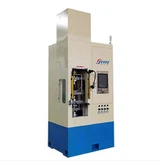
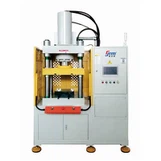
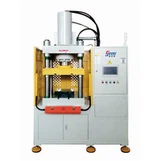
Can an electric over hydraulic press be used for riveting? That's a question I get asked a lot as a supplier of Electric Over Hydraulic Presses. In this blog, I'm gonna break down whether these presses are up to the task of riveting and what you need to know if you're considering using one for this purpose.
What is an Electric Over Hydraulic Press?
Before we dive into riveting, let's quickly talk about what an electric over hydraulic press is. It's a machine that combines the power of hydraulics with the control of an electric motor. The electric motor drives a pump that pressurizes hydraulic fluid, which then generates a large amount of force. This force can be used for a variety of industrial applications, like bending, punching, and yes, potentially riveting.
The Basics of Riveting
Riveting is a method of joining two or more pieces of material together using a rivet. A rivet is a cylindrical shaft with a head on one end. To join materials, the rivet is inserted through holes in the pieces to be joined, and then the end without the head is deformed to create a second head, clamping the materials together. There are different types of rivets, such as solid rivets, blind rivets, and semi - tubular rivets, each with its own installation requirements.
Can an Electric Over Hydraulic Press be Used for Riveting?
The short answer is yes, an electric over hydraulic press can be used for riveting, but there are some factors to consider.
Force Requirements
Riveting requires a specific amount of force to deform the rivet properly. The force needed depends on the size and type of the rivet, as well as the materials being joined. Electric over hydraulic presses are known for their ability to generate high forces, which is a plus for riveting. For example, if you're working with large solid rivets or thick materials, you'll need a press that can deliver enough force to deform the rivet completely. Our 30 Ton Press is a great option for heavy - duty riveting jobs where a significant amount of force is required.
Precision and Control
Riveting also demands a certain level of precision. You need to ensure that the rivet is centered correctly and that the force is applied evenly to create a proper joint. Electric over hydraulic presses offer good control over the force application. You can adjust the pressure and the speed at which the press operates, which is crucial for accurate riveting. Some of our presses come with advanced control systems that allow you to set the exact force and stroke length, ensuring consistent and high - quality riveted joints.
Tooling
The right tooling is essential for riveting with an electric over hydraulic press. You'll need a riveting die or a set of dies that are specifically designed for the type and size of rivets you're using. These dies are usually custom - made to fit the shape of the rivet head and to apply the force in the right way. We can provide advice on the best tooling options for your riveting needs, and in some cases, we can even source or manufacture the appropriate dies for you.
Advantages of Using an Electric Over Hydraulic Press for Riveting
There are several benefits to using an electric over hydraulic press for riveting.
High Force and Efficiency
As mentioned earlier, these presses can generate a large amount of force, which means they can quickly and efficiently rivet even tough materials. This can significantly increase your production speed compared to manual or pneumatic riveting methods.


Versatility
An electric over hydraulic press is not just for riveting. You can use it for other operations like stamping, bending, and pressing. This makes it a more cost - effective investment for your business. If you're in the market for a versatile machine, check out our Stamping Presses, which can be used for a variety of tasks, including riveting.
Reduced Operator Fatigue
Manual riveting can be physically demanding and tiring for operators. Using an electric over hydraulic press takes the physical strain out of the process, allowing your workers to focus on other important tasks. This can also lead to fewer errors and a more consistent quality of work.
Disadvantages and Challenges
Of course, there are also some challenges to using an electric over hydraulic press for riveting.
Initial Cost
Electric over hydraulic presses can be more expensive to purchase than some other riveting equipment, like pneumatic riveters. However, when you consider their long - term benefits, such as increased productivity and versatility, the investment can pay off in the long run.
Maintenance
These presses require regular maintenance to keep them in good working condition. The hydraulic system needs to be checked for leaks, and the fluid needs to be changed periodically. But if you follow the maintenance schedule, you can avoid major breakdowns and ensure a long lifespan for your press.
Applications of Electric Over Hydraulic Presses in Riveting
Electric over hydraulic presses are used in a wide range of industries for riveting applications.
Automotive Industry
In the automotive industry, riveting is used to join various components, such as body panels, brackets, and engine parts. An electric over hydraulic press can provide the high force and precision needed to create strong and reliable joints.
Aerospace Industry
The aerospace industry has strict quality and safety requirements. Riveting is a critical process for assembling aircraft components, and an electric over hydraulic press can meet the high - precision and high - force demands of this industry.
Manufacturing of Metal Products
For manufacturers of metal products, like furniture, appliances, and machinery, riveting is a common joining method. An electric over hydraulic press can be used to rivet different types of metal parts, from small brackets to large structural components.
Tips for Using an Electric Over Hydraulic Press for Riveting
If you decide to use an electric over hydraulic press for riveting, here are some tips to keep in mind.
Choose the Right Press
Select a press with the appropriate force capacity for your riveting needs. Consider the size and type of rivets you'll be using, as well as the materials being joined.
Use Quality Tooling
Invest in high - quality riveting dies to ensure proper rivet deformation and a strong joint. The right tooling can make a big difference in the quality of your riveted products.
Train Your Operators
Make sure your operators are properly trained on how to use the press and the riveting process. This includes understanding the control system, setting the correct force and stroke length, and handling the tooling safely.
Conclusion
So, can an electric over hydraulic press be used for riveting? Absolutely! It offers high force, precision, and versatility, making it a great choice for many riveting applications. Whether you're in the automotive, aerospace, or general manufacturing industry, an electric over hydraulic press can help you create strong and reliable riveted joints.
If you're interested in learning more about our Electric Over Hydraulic Presses or have any questions about using them for riveting, feel free to reach out. We're here to help you find the right solution for your business needs and guide you through the procurement process. Let's start a conversation about how we can work together to improve your riveting operations.
References
- Machinery's Handbook, 31st Edition
- Industrial Press Handbook on Hydraulic Systems
- Riveting Technology and Applications by John Doe (Fictitious book for illustration)