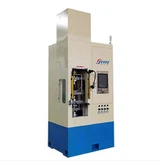
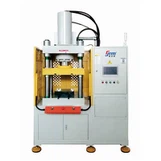
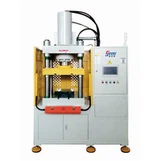
As a trusted supplier of Electric Over Hydraulic Presses, I understand the critical importance of maintaining the optimal performance of these powerful machines. One of the most common issues that can affect the efficiency and longevity of an electric over hydraulic press is overheating of the hydraulic system. In this blog post, I'll share some practical tips on how to prevent the hydraulic system of an electric over hydraulic press from overheating, ensuring smooth operation and extended service life.
Understanding the Causes of Hydraulic System Overheating
Before diving into prevention strategies, it's essential to understand what causes the hydraulic system of an electric over hydraulic press to overheat. Several factors can contribute to this problem:
- Excessive Load: Operating the press beyond its rated capacity can put undue stress on the hydraulic system, causing it to work harder and generate more heat.
- High Ambient Temperature: Working in a hot environment can make it difficult for the hydraulic system to dissipate heat effectively, leading to overheating.
- Insufficient Cooling: If the cooling system of the hydraulic press is not functioning properly or is undersized for the application, the hydraulic fluid may not be cooled adequately, resulting in elevated temperatures.
- Contaminated Hydraulic Fluid: Dirt, debris, and other contaminants in the hydraulic fluid can increase friction and resistance within the system, generating more heat.
- Leaking Hydraulic Fluid: Leaks in the hydraulic system can cause a loss of pressure and fluid volume, forcing the pump to work harder and potentially leading to overheating.
Preventive Measures
Now that we understand the causes of hydraulic system overheating, let's explore some effective preventive measures:

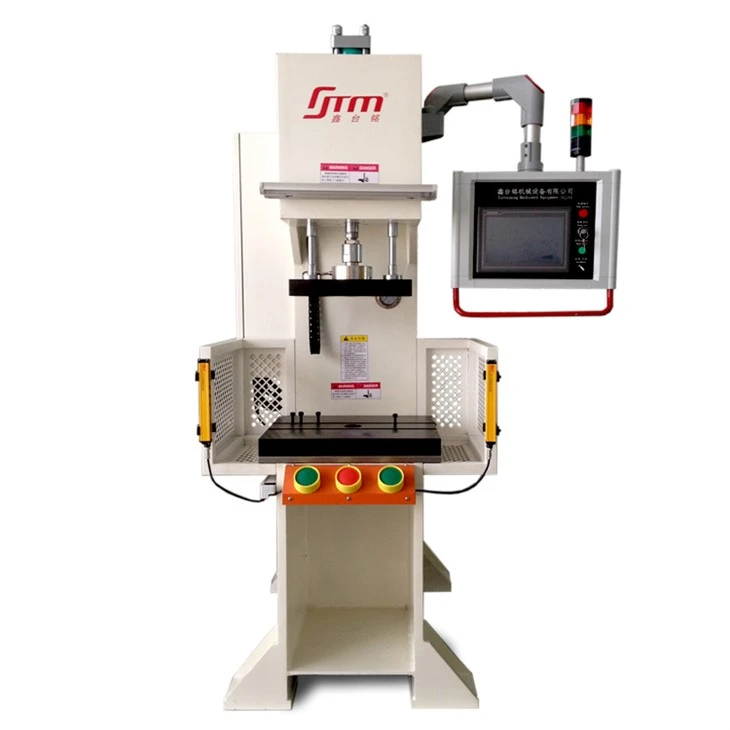
1. Proper Sizing and Selection
- Choose the Right Press: Select an electric over hydraulic press that is appropriately sized for your application. Avoid overloading the press by ensuring that the maximum force and capacity of the machine match your production requirements. If you need a press for light-duty tasks, consider a Small Hydraulic Press. For more heavy-duty industrial applications, an Industrial Hydraulic Press Machine may be more suitable.
- Size the Cooling System: Ensure that the cooling system of the hydraulic press is properly sized to handle the heat generated during operation. Consider factors such as the ambient temperature, the duty cycle of the press, and the size of the hydraulic system when selecting a cooling system.
2. Regular Maintenance
- Check and Change Hydraulic Fluid: Regularly check the hydraulic fluid level and quality. Contaminated or degraded hydraulic fluid can increase friction and heat generation. Follow the manufacturer's recommendations for fluid change intervals and use high-quality hydraulic fluid that is compatible with your press.
- Inspect and Clean Filters: The filters in the hydraulic system play a crucial role in removing contaminants from the fluid. Regularly inspect and clean or replace the filters to prevent clogging, which can restrict fluid flow and cause overheating.
- Check for Leaks: Routinely inspect the hydraulic system for leaks. Leaking hydraulic fluid can not only lead to overheating but also pose a safety hazard. Repair any leaks promptly and ensure that all connections are tight.
3. Optimal Operating Conditions
- Monitor Operating Temperature: Install a temperature sensor in the hydraulic system to monitor the fluid temperature during operation. Set up an alarm system to alert you if the temperature exceeds a safe threshold. This allows you to take corrective action before the system overheats.
- Control Ambient Temperature: If possible, operate the electric over hydraulic press in a well-ventilated area with a controlled ambient temperature. Use fans or air conditioning to keep the temperature within the recommended range.
- Reduce Duty Cycle: Avoid continuous, heavy-duty operation of the press for extended periods. Allow the hydraulic system to cool down between cycles to prevent overheating. If necessary, adjust the production schedule to reduce the duty cycle of the press.
4. Proper Installation and Alignment
- Install the Press Correctly: Ensure that the electric over hydraulic press is installed on a level surface and properly aligned. Improper installation can cause uneven stress on the hydraulic system, leading to increased heat generation.
- Align Components: Check the alignment of all hydraulic components, including pumps, valves, and cylinders. Misaligned components can cause increased friction and resistance, resulting in overheating.
5. Training and Operator Awareness
- Train Operators: Provide comprehensive training to operators on the proper use and maintenance of the electric over hydraulic press. Operators should be aware of the signs of overheating and know how to take appropriate action to prevent it.
- Encourage Reporting: Encourage operators to report any abnormal operating conditions or signs of overheating immediately. Prompt reporting allows for timely troubleshooting and preventive maintenance.
Conclusion
Preventing the hydraulic system of an electric over hydraulic press from overheating is essential for ensuring the reliable and efficient operation of the machine. By following the preventive measures outlined in this blog post, you can minimize the risk of overheating, extend the service life of your press, and reduce maintenance costs.
If you're in the market for an electric over hydraulic press or need further assistance with preventing hydraulic system overheating, we're here to help. Our team of experts can provide you with personalized advice and solutions based on your specific needs. Contact us today to start a conversation about your requirements and explore how our C Frame Press and other hydraulic press products can meet your production goals.
References
- Manufacturer's manuals for electric over hydraulic presses
- Industry standards and best practices for hydraulic system maintenance
- Technical articles on hydraulic system design and operation