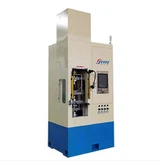
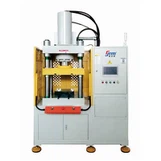
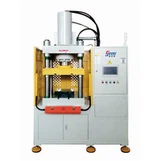
As a supplier of 55 Ton Hydraulic Presses, I often get asked whether this hefty piece of machinery requires a special foundation for installation. It's a valid question, and the answer isn't as straightforward as you might think.
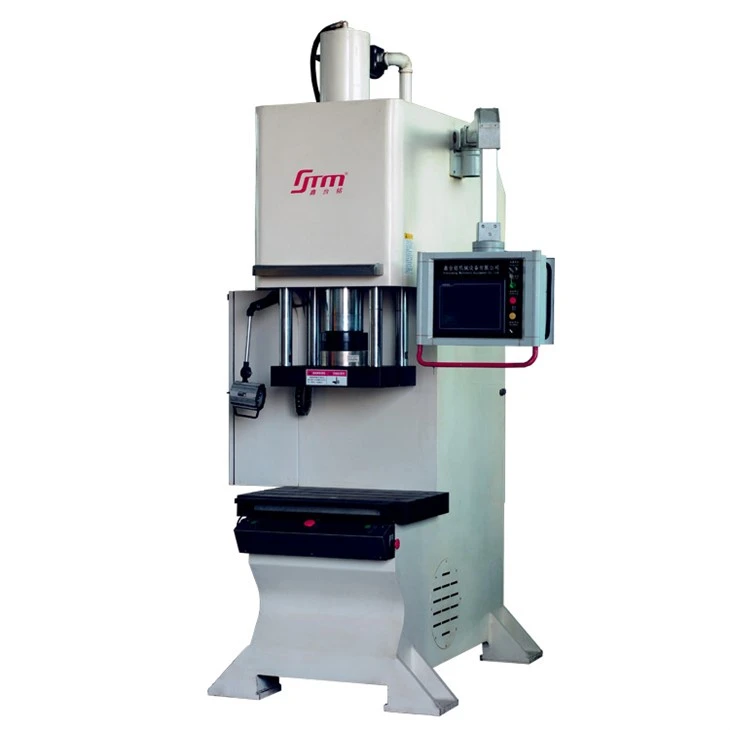
Let's start by understanding what a 55 Ton Hydraulic Press is. It's a powerful machine used in various industrial applications, from metal forming and stamping to plastic molding and assembly work. With a force capacity of 55 tons, it can exert an immense amount of pressure to shape and manipulate materials.
Now, back to the question of the foundation. The short answer is: it depends. Several factors come into play when determining whether a special foundation is necessary for a 55 Ton Hydraulic Press.
Weight and Vibration
One of the primary considerations is the weight of the press itself. A 55 Ton Hydraulic Press is a substantial piece of equipment, and its weight can put a significant load on the floor. If the existing floor isn't designed to handle this weight, it could lead to structural damage over time. Additionally, the operation of the press generates vibrations. These vibrations can travel through the floor and potentially affect other equipment in the vicinity or even the building's structural integrity.
Type of Operation
The type of work the press will be doing also matters. If it's used for light stamping or assembly tasks that don't require a lot of force, the vibrations and stress on the floor may be relatively minimal. However, if the press is performing heavy-duty metal forming operations, such as forging or deep drawing, the forces involved will be much greater, and a more robust foundation may be necessary.
Floor Conditions
The condition of the existing floor is another crucial factor. A solid, well - constructed concrete floor may be able to support the press without any major modifications. But if the floor has cracks, unevenness, or is made of a weaker material, it might not be suitable. For instance, an old or poorly maintained concrete floor could start to crumble under the weight and vibrations of the press.
Special Foundation Requirements
If the above factors indicate that a special foundation is needed, here's what it might entail.
First, the foundation usually needs to be made of reinforced concrete. The reinforcement helps to distribute the weight of the press evenly and provides additional strength to withstand the vibrations. The thickness of the concrete slab will depend on the specific requirements of the press and the soil conditions beneath the floor.
The foundation should also be properly isolated from the rest of the building. This can be done using vibration - isolating pads or mounts. These pads absorb the vibrations generated by the press, preventing them from spreading to other parts of the building.
Cost - Benefit Analysis
Installing a special foundation is not without its costs. There are the expenses associated with the materials, labor, and the time required for construction. However, not having a proper foundation can lead to even more significant costs in the long run. Repairs to the floor or damage to other equipment due to inadequate support can be extremely expensive. So, it's important to weigh the upfront investment against the potential long - term savings and safety benefits.
My Experience as a Supplier
Over the years, I've seen different scenarios. Some customers with well - built industrial facilities have been able to install the 55 Ton Hydraulic Press on their existing floors without any issues. They've done a thorough assessment of their floor capacity and operational requirements. On the other hand, some customers in older buildings or those with more demanding operations have had to invest in a special foundation.
For example, one of my clients was using the press for high - volume metal stamping. They initially tried to install it on an existing floor without proper evaluation. After a few weeks, they noticed cracks forming in the floor, and the vibrations were affecting other nearby machinery. We had to halt the operations and install a reinforced concrete foundation with vibration isolators. Once the new foundation was in place, the press functioned smoothly, and the problems with the floor and neighboring equipment were resolved.
Other Hydraulic Press Options
If you're still in the decision - making process and are considering different types of hydraulic presses, we also offer Air Operated Hydraulic Press and 30 Ton Press. The air - operated hydraulic press is a great option for those looking for a more compact and energy - efficient solution, especially for lighter applications. The 30 Ton Press, as the name suggests, has a lower force capacity, which might be suitable for smaller - scale operations. And if you're interested in an electrically powered option, we have Electric Hydraulic Press available as well.
Conclusion
In conclusion, whether a 55 Ton Hydraulic Press requires a special foundation for installation depends on multiple factors, including the weight and vibration of the press, the type of operation, and the condition of the existing floor. It's always a good idea to have a professional engineer assess your situation before making a decision.
If you're in the market for a 55 Ton Hydraulic Press or any of our other hydraulic press options, don't hesitate to reach out. We can provide you with more detailed information, help you evaluate your installation needs, and guide you through the purchasing process. We're here to make sure you get the right equipment for your business and that it's installed safely and efficiently.

References
- Machinery Installation Guidelines, Industrial Press Association.
- Structural Analysis for Heavy Equipment, Engineering Society of Manufacturing.