Hey there! As a supplier of Servo Hydraulic Press Machines, I often get asked about the oil temperature control requirements for these bad boys. So, I thought I'd sit down and write a blog post to share some insights on this crucial topic.
First off, let's talk about why oil temperature control is so important in a Servo Hydraulic Press Machine. The hydraulic system in these machines relies on oil to transfer power and lubricate moving parts. If the oil temperature gets too high, it can lead to a whole bunch of problems. For starters, high oil temperatures can cause the oil to break down, reducing its lubricating properties and increasing wear and tear on the hydraulic components. This can lead to premature failure of parts, costly repairs, and downtime for your production line.
On the other hand, if the oil temperature is too low, the oil can become too viscous, making it difficult for the hydraulic system to operate efficiently. This can result in reduced performance, slower cycle times, and increased energy consumption. So, finding the right balance is key to ensuring the optimal performance and longevity of your Servo Hydraulic Press Machine.
So, what are the ideal oil temperature control requirements for a Servo Hydraulic Press Machine? Well, it depends on a few factors, such as the type of hydraulic oil being used, the operating conditions, and the specific requirements of your application. However, as a general rule of thumb, the oil temperature in a Servo Hydraulic Press Machine should be maintained between 30°C and 60°C (86°F and 140°F).
Within this temperature range, the hydraulic oil will have the right viscosity to flow smoothly through the system, providing efficient power transfer and lubrication. It's also important to note that the oil temperature should not fluctuate too rapidly, as this can cause thermal stress on the hydraulic components and lead to premature failure.
To achieve and maintain the ideal oil temperature, most Servo Hydraulic Press Machines are equipped with a cooling system. This can be a simple air-cooled radiator or a more sophisticated water-cooled system, depending on the size and complexity of the machine. The cooling system works by removing heat from the hydraulic oil and dissipating it into the surrounding environment.
In addition to the cooling system, it's also important to monitor the oil temperature regularly. Most Servo Hydraulic Press Machines are equipped with temperature sensors that can provide real-time feedback on the oil temperature. By keeping an eye on these sensors, you can detect any potential issues early on and take corrective action before they cause major problems.
Another important aspect of oil temperature control is the quality of the hydraulic oil. Using the right type of hydraulic oil is crucial for ensuring the optimal performance and longevity of your Servo Hydraulic Press Machine. Different types of hydraulic oil have different viscosity ratings and temperature ranges, so it's important to choose an oil that is suitable for your specific application.
It's also important to follow the manufacturer's recommendations for oil change intervals. Over time, the hydraulic oil can become contaminated with dirt, debris, and moisture, which can affect its performance and lead to increased wear and tear on the hydraulic components. By changing the oil regularly, you can ensure that the hydraulic system is always operating at its best.
Now, let's talk about some of the common signs that your Servo Hydraulic Press Machine may be experiencing oil temperature issues. If you notice any of the following symptoms, it's important to take action immediately:
- Overheating: If the oil temperature gauge on your machine is reading higher than normal, or if you notice that the machine is getting hot to the touch, this could be a sign of an overheating problem.
- Reduced performance: If your machine is not operating as efficiently as it used to, or if you notice that the cycle times are getting longer, this could be a sign that the oil temperature is affecting the performance of the hydraulic system.
- Noise or vibration: If you hear unusual noises or feel excessive vibration coming from your machine, this could be a sign of a problem with the hydraulic system. High oil temperatures can cause the hydraulic components to wear out more quickly, leading to increased noise and vibration.
- Leaking oil: If you notice any oil leaks around your machine, this could be a sign of a problem with the hydraulic system. High oil temperatures can cause the seals and gaskets in the hydraulic system to expand and contract, leading to leaks.
If you experience any of these symptoms, it's important to contact a qualified technician as soon as possible. A technician can diagnose the problem and recommend the appropriate course of action to get your machine back up and running.
In conclusion, oil temperature control is a crucial aspect of maintaining the optimal performance and longevity of your Servo Hydraulic Press Machine. By following the manufacturer's recommendations for oil temperature control, using the right type of hydraulic oil, and monitoring the oil temperature regularly, you can ensure that your machine is always operating at its best.
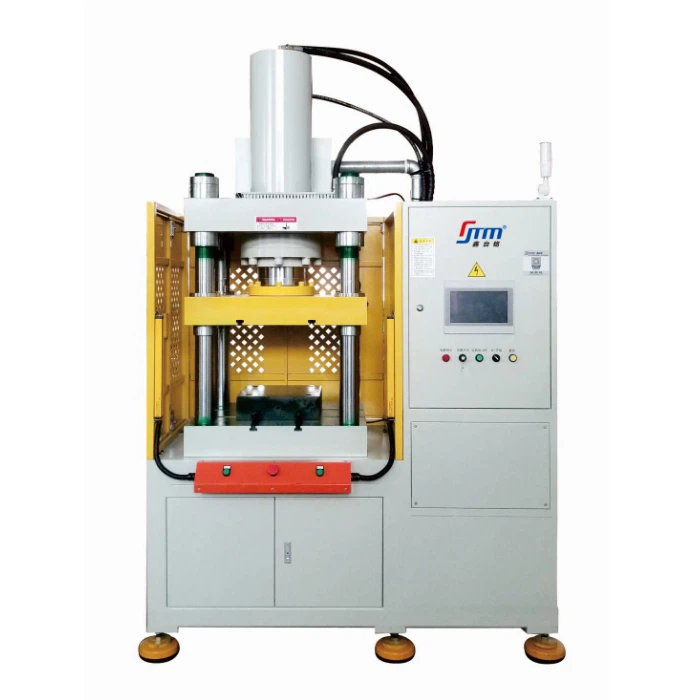
If you're in the market for a new Servo Hydraulic Press Machine, or if you need to upgrade your existing machine, be sure to check out our Servo Hydraulic Press Machine and High Precision Servo Press options. We also offer a wide range of H Frame Electric Servo Press models to suit your specific needs.
If you have any questions or would like to learn more about our products, please don't hesitate to contact us. We'd be happy to help you find the right solution for your application and provide you with a free quote.
References

- Hydraulic Systems Handbook, by Eaton Corporation
- Fluid Power Technology, by Michael J. Moran and Howard N. Shapiro
- Servo Hydraulic Press Machine User Manual, by [Your Company Name]