Can an Electric Over Hydraulic Press be Operated Manually?
As a supplier of Electric Over Hydraulic Presses, I often receive inquiries from customers about the operational flexibility of these powerful machines. One question that frequently comes up is whether an electric over hydraulic press can be operated manually. In this blog post, I'll delve into this topic, exploring the technical aspects, practical implications, and the scenarios where manual operation might be useful.
Understanding Electric Over Hydraulic Presses
Before we discuss manual operation, let's briefly understand what an electric over hydraulic press is. These presses combine the advantages of electric power and hydraulic force. The electric motor drives a hydraulic pump, which then generates the high pressure needed to perform various pressing tasks. This setup provides a high level of force control, precision, and repeatability, making them suitable for a wide range of industrial applications, from metal forming and stamping to assembly and testing.
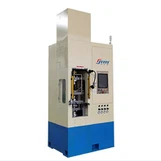
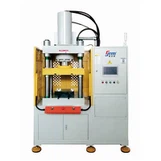
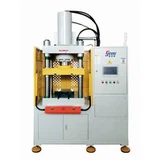
Our company offers a variety of electric over hydraulic presses, including the 10 Ton Electric Hydraulic Press, the 20 Ton H Frame Press, and the 100 Ton Hydraulic Press. Each model is designed to meet different production requirements, with features such as adjustable pressure, speed control, and safety interlocks.
The Possibility of Manual Operation
In general, electric over hydraulic presses are designed to be operated automatically, with the electric motor and hydraulic system working together to perform the pressing operation. However, many modern presses also offer the option of manual operation, either as a standard feature or as an add-on.
Manual operation can be achieved in several ways. One common method is through the use of a manual control valve. This valve allows the operator to manually adjust the flow of hydraulic fluid, controlling the movement of the press ram. By turning a handwheel or operating a lever, the operator can raise or lower the ram at a controlled speed, providing a high level of precision and flexibility.
Another way to achieve manual operation is through the use of a manual pump. Some presses are equipped with a manual pump that can be used to generate hydraulic pressure in the absence of electric power. This can be useful in situations where there is a power outage or when the press needs to be operated in a remote location without access to electricity.
Advantages of Manual Operation
There are several advantages to operating an electric over hydraulic press manually. Firstly, manual operation provides a high level of control and precision. The operator can adjust the speed and force of the press in real-time, allowing for greater flexibility and accuracy in the pressing process. This can be particularly useful when working with delicate or complex parts that require a high degree of precision.
Secondly, manual operation can be a cost-effective solution for small-scale production or prototyping. In these situations, the investment in an automated press may not be justified, and a manual press can provide a more affordable alternative. Manual presses also require less maintenance and downtime, reducing the overall cost of ownership.
Finally, manual operation can be a safer option in some situations. In an automated press, the operator has less direct control over the machine, which can increase the risk of accidents. By operating the press manually, the operator can maintain a closer watch on the process and take immediate action if necessary, reducing the risk of injury or damage to the machine.
Limitations of Manual Operation
While manual operation offers several advantages, it also has some limitations. Firstly, manual operation is generally slower than automated operation. The operator needs to manually adjust the control valve or operate the manual pump, which can take more time than using an automated system. This can be a significant drawback in high-volume production environments where speed and efficiency are crucial.
Secondly, manual operation requires a higher level of skill and experience. The operator needs to have a good understanding of the press operation and hydraulic systems to ensure safe and effective operation. This can be a challenge for inexperienced operators or in situations where there is a high turnover of staff.
Finally, manual operation may not be suitable for all types of pressing tasks. Some applications require a high level of force or speed that may not be achievable with manual operation. In these cases, an automated press may be the better option.
Scenarios Where Manual Operation is Useful
Despite its limitations, manual operation can be useful in several scenarios. One common scenario is during the setup and adjustment of the press. Before starting a production run, the operator needs to adjust the press settings, such as the pressure, speed, and stroke length. Manual operation allows the operator to make these adjustments gradually and precisely, ensuring that the press is set up correctly for the specific job.
Another scenario where manual operation is useful is in the repair and maintenance of the press. If there is a problem with the electric or hydraulic system, the operator may need to manually operate the press to diagnose and fix the issue. Manual operation can also be used to perform routine maintenance tasks, such as lubrication and inspection, without the need for power.
Finally, manual operation can be useful in situations where the press needs to be operated in a remote location or in an environment where there is a risk of power outages. By using a manual pump, the operator can still generate hydraulic pressure and operate the press, ensuring that production can continue even in challenging conditions.
Conclusion
In conclusion, an electric over hydraulic press can be operated manually, either through the use of a manual control valve or a manual pump. Manual operation offers several advantages, including high levels of control and precision, cost-effectiveness, and safety. However, it also has some limitations, such as slower operation and the need for a higher level of skill and experience.
At our company, we understand the diverse needs of our customers and offer a range of electric over hydraulic presses that can be operated manually or automatically. Whether you're looking for a small-scale manual press for prototyping or a large-scale automated press for high-volume production, we have the solution for you.


If you're interested in learning more about our electric over hydraulic presses or have any questions about manual operation, please don't hesitate to contact us. Our team of experts is always ready to assist you and help you find the right press for your specific needs.
References
- "Hydraulic Press Handbook" - A comprehensive guide to hydraulic press technology and operation.
- "Industrial Presses: Design, Operation, and Maintenance" - A detailed resource on the design, operation, and maintenance of industrial presses.
- Manufacturer's manuals and technical specifications for electric over hydraulic presses.