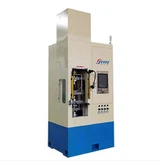
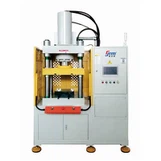
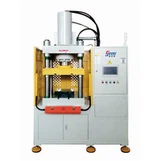
Calibrating a servo mechanical press is a crucial process that ensures its accurate and efficient operation. As a supplier of Servo Mechanical Press, I understand the significance of proper calibration for our customers. In this blog, I will share a comprehensive guide on how to calibrate a servo mechanical press, covering the key steps, tools required, and important considerations.
Understanding the Importance of Calibration
Calibration is the process of adjusting and verifying the accuracy of a machine's settings to ensure it operates within specified tolerances. For a servo mechanical press, accurate calibration is essential for several reasons. Firstly, it directly affects the quality of the parts produced. Precise calibration ensures that the press applies the correct amount of force at the right time, which is crucial for achieving consistent part dimensions and surface finishes. Secondly, calibration helps to extend the lifespan of the press by reducing wear and tear on its components. When the press is calibrated correctly, it operates more smoothly, minimizing the stress on mechanical and electrical parts. Finally, proper calibration is necessary for compliance with industry standards and regulations, which often require machines to be calibrated regularly.
Pre - Calibration Preparations
Before starting the calibration process, it is important to make some preparations to ensure a safe and efficient operation.
- Safety First: Ensure that the press is turned off and disconnected from the power source. Wear appropriate personal protective equipment (PPE), such as safety glasses, gloves, and earplugs.
- Gather Tools: You will need a variety of tools for calibration, including precision measuring instruments such as micrometers, dial indicators, and force gauges. Make sure these tools are properly calibrated and in good working condition.
- Review Documentation: Familiarize yourself with the press's operating manual, calibration procedures, and technical specifications. This will provide you with important information about the press's components, settings, and adjustment points.
- Clean the Press: Remove any dirt, debris, or lubricant from the press's working surfaces, slides, and guides. A clean press will ensure more accurate measurements and adjustments.
Calibration Steps
Step 1: Check the Mechanical Alignment
- Bed and Slide Parallelism: Use a dial indicator to measure the parallelism between the press bed and the slide. Place the indicator on the bed and touch the slide surface. Move the slide up and down through its full stroke and note any variations in the indicator reading. If the parallelism is out of tolerance, adjust the slide guides using shims or adjusting bolts as per the manufacturer's instructions.
- Ram Verticality: Measure the verticality of the ram using a square or a verticality tester. Place the measuring tool against the side of the ram and check for any deviation from the vertical axis. Adjust the ram alignment if necessary to ensure it moves precisely up and down.
Step 2: Set the Motor Parameters
- Encoder Calibration: The servo motor encoder provides feedback on the motor's position and speed. Calibrate the encoder to ensure accurate position control. This may involve zero - point setting and measuring the encoder pulses against a known reference. Follow the motor manufacturer's instructions for encoder calibration.
- Motor Current and torque settings: Adjust the motor current and torque settings according to the press's load requirements. Use a power analyzer or a current - measuring device to monitor the motor current during operation. Ensure that the motor is not overloaded or under - loaded, as this can affect the press's performance and longevity.
Step 3: Calibrate the Force Measurement System
- Force Gauge Installation: Install a force gauge at the point of application of the press force. This could be on the ram or the tooling. Make sure the force gauge is properly aligned and securely mounted.
- Zero - Point Calibration: Zero the force gauge when the press is in the unloaded state. This ensures that all subsequent force measurements are accurate.
- Force Verification: Apply a known load to the press and compare the measured force on the gauge with the expected value. If there is a significant difference, adjust the force measurement system calibration parameters. This may involve adjusting amplifier gains or sensor offsets.
Step 4: Adjust the Stroke and Die Height
- Stroke Length: Use a measuring tape or a digital position sensor to measure the stroke length of the press. Compare the measured value with the desired stroke length specified in the process requirements. If the stroke length is incorrect, adjust the stroke adjustment mechanism, which may involve changing the position of the eccentric shaft or the crankshaft.
- Die Height: Set the die height to the correct value for the specific tooling being used. Use a height gauge or a feeler gauge to measure the distance between the press bed and the ram in the bottom - dead - center position. Adjust the die height adjustment mechanism, such as the screw - down mechanism, to achieve the correct die height.
Step 5: Check the Control System Settings
- Programming Verification: Review and verify the control system programs for the press. Ensure that the programs accurately reflect the desired operating parameters, such as stroke length, force, and speed. Check for any programming errors or incorrect settings.
- Safety Interlocks: Test the safety interlocks of the press, such as the emergency stop buttons, light curtains, and door switches. Make sure these interlocks are functioning properly and that the press stops immediately when triggered.
Post - Calibration Checks
After completing the calibration process, it is important to perform some post - calibration checks to ensure that the press is operating correctly.
- Test Runs: Conduct several test runs of the press with a sample part or a test piece. Monitor the press's performance during these test runs, including the force applied, stroke length, and speed. Check for any abnormal vibrations, noises, or movements.
- Part Quality Inspection: Inspect the parts produced during the test runs for dimensional accuracy, surface finish, and other quality parameters. Compare the part quality with the desired specifications. If any issues are found, re - evaluate the calibration settings and make further adjustments if necessary.
- Documentation: Record all the calibration data, including the measured values, adjustments made, and test run results. This documentation is important for traceability, maintenance, and future calibration reference.
Considerations for Different Types of Servo Mechanical Presses
In addition to the standard Servo Mechanical Press, there are other types such as the H Frame Electric Servo Press and Servo Hydraulic Press Machine. Each type may have some specific calibration requirements.

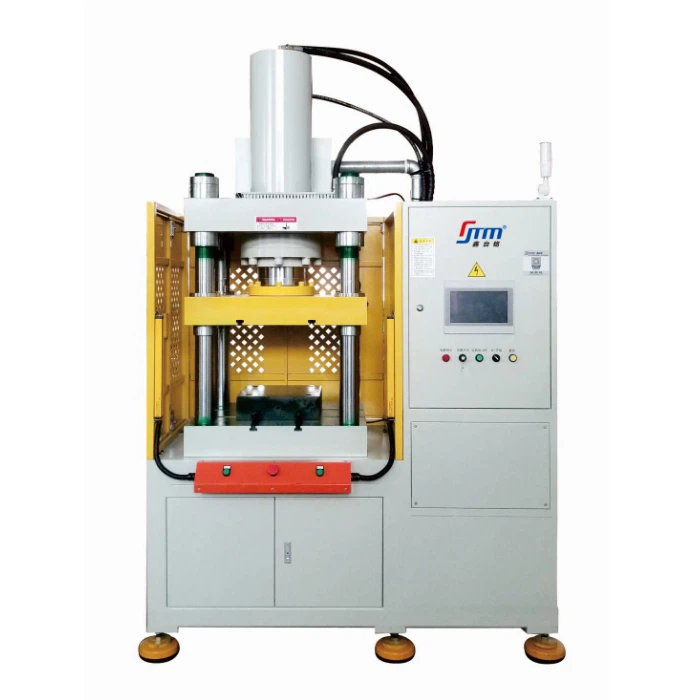
H Frame Electric Servo Press
- Frame Rigidity: Due to the H - frame structure, it is important to ensure the frame rigidity during calibration. Check for any frame deflections under load and make appropriate adjustments to the mounting and support structures.
- Tooling Mounting: The tooling mounting on an H - frame press may require more precise alignment. Use special alignment tools to ensure the tooling is centered and parallel to the ram and the bed.
Servo Hydraulic Press Machine
- Hydraulic System Calibration: In addition to the standard calibration steps, the hydraulic system of a servo hydraulic press needs to be calibrated. This includes adjusting the pressure relief valves, flow control valves, and checking the hydraulic fluid level and quality.
- Response Time: Servo hydraulic presses may have different response times compared to mechanical presses. Calibrate the control system to ensure the press can respond quickly and accurately to changes in the operating parameters.
Conclusion
Calibrating a servo mechanical press is a complex but essential process that requires careful attention to detail. By following the steps outlined in this blog and considering the specific requirements of different press types, you can ensure that your press operates accurately and efficiently, producing high - quality parts. If you are facing any difficulties in calibrating your servo mechanical press or are interested in purchasing a new press, our team of experts is here to assist you. We offer a wide range of Servo Mechanical Press products and professional calibration and maintenance services. Feel free to reach out to us for further information and to discuss your specific needs.
References
- "Servo Press Technology Handbook", Industry Press Publications
- "Mechanical Press Design and Operation Principles", Engineering Books Inc.
- Manufacturer's Operating and Calibration Manuals for Servo Mechanical Presses