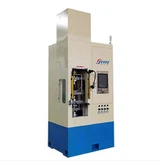
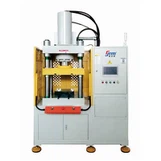
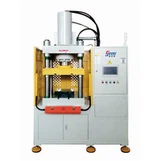
Hey there! I'm a supplier of hydraulic hose presses, and today I'm super excited to break down how these nifty machines work. Whether you're a newbie in the hydraulic world or just looking to brush up on your knowledge, this blog is for you.
Let's start with the basics. A hydraulic hose press is a piece of equipment used to assemble hydraulic hoses and fittings. It's a crucial tool in industries like construction, manufacturing, and agriculture, where hydraulic systems are widely used. The main job of a hydraulic hose press is to create a secure and leak - free connection between the hose and the fitting, which is essential for the proper functioning of hydraulic machinery.
The Key Components of a Hydraulic Hose Press
First off, let's talk about the main parts that make up a hydraulic hose press.
1. Hydraulic Pump
The hydraulic pump is like the heart of the press. It's responsible for generating the hydraulic pressure needed to operate the machine. There are different types of hydraulic pumps, but most hydraulic hose presses use a positive - displacement pump. This type of pump works by trapping a fixed amount of fluid and then forcing it into the hydraulic system. When you turn on the press, the pump starts sucking in hydraulic fluid from a reservoir. It then pressurizes this fluid and sends it through the system to power the other components.
2. Cylinder
The cylinder is where the real action happens. It's a tube - like structure that contains a piston. When the pressurized hydraulic fluid from the pump enters the cylinder, it pushes the piston. This movement of the piston is what creates the force needed to crimp the hose and fitting together. The size and design of the cylinder can vary depending on the capacity of the press. For example, a 20 Ton Benchtop Press will have a cylinder designed to generate 20 tons of force, while a 55 Ton Hydraulic Press will have a larger and more powerful cylinder.
3. Dies
Dies are the specialized tools that actually come into contact with the hose and fitting. They are custom - designed to match the shape and size of the fitting. There are different types of dies for different types of fittings, such as JIC, NPT, and metric fittings. When the piston in the cylinder moves, it presses the dies together. The dies then compress the fitting onto the hose, creating a tight and secure connection.
4. Control Panel
The control panel is how you operate the press. It usually has buttons or switches that allow you to start and stop the machine, control the pressure, and adjust other settings. Some modern hydraulic hose presses also have digital displays that show important information like the pressure level and the number of cycles.
The Working Process of a Hydraulic Hose Press
Now that we know the main components, let's go through the step - by - step process of how a hydraulic hose press works.
Step 1: Preparation
Before you start using the press, you need to make sure you have the right hose and fitting for the job. Measure the hose and select the appropriate fitting. Then, you need to choose the correct dies for the fitting. Place the dies in the press, making sure they are properly aligned.
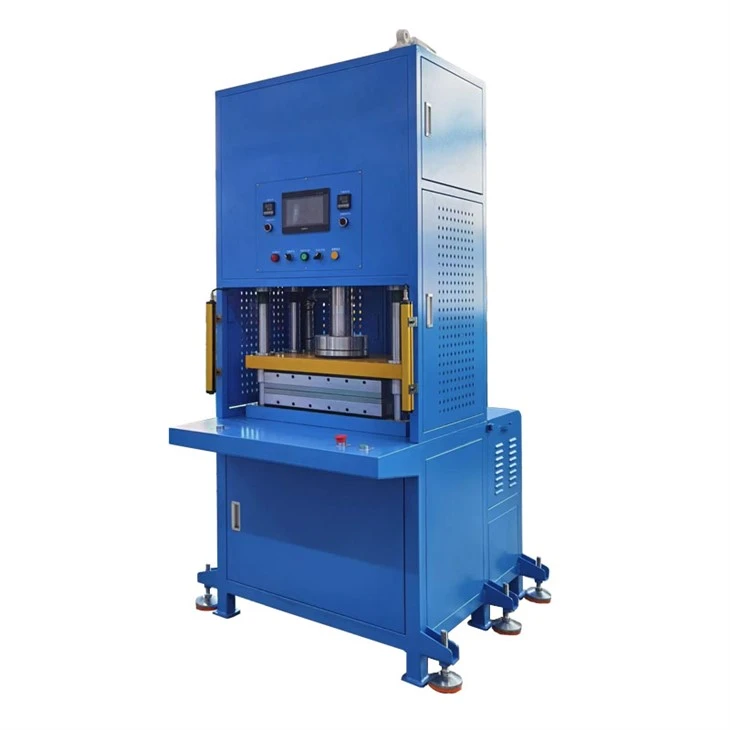

Step 2: Loading the Hose and Fitting
Insert the end of the hose into the fitting. Make sure the hose is inserted all the way to the bottom of the fitting. Then, place the assembled hose and fitting between the dies in the press.
Step 3: Pressing
Once the hose and fitting are in place, you can start the press. Press the start button on the control panel. The hydraulic pump will start working, pressurizing the hydraulic fluid and sending it to the cylinder. The pressurized fluid will push the piston in the cylinder, which in turn will move the dies together. The dies will compress the fitting onto the hose with a specific amount of force. The amount of force is determined by the pressure setting on the control panel.
Step 4: Releasing
After the crimping process is complete, you need to release the pressure. Press the release button on the control panel. This will allow the hydraulic fluid to flow back into the reservoir, and the piston in the cylinder will retract. The dies will then open, and you can remove the crimped hose and fitting from the press.
Different Types of Hydraulic Hose Presses
There are several types of hydraulic hose presses available on the market, each with its own features and benefits.
Benchtop Presses
Benchtop presses, like the 20 Ton Benchtop Press, are compact and lightweight. They are designed to be placed on a workbench or table. These presses are great for small - scale operations or for use in workshops where space is limited. They are relatively easy to operate and can handle a wide range of hose and fitting sizes.
H - Frame Presses
H - frame presses, such as the 20 Ton H Frame Press, have a more robust design. They are called H - frame presses because of their shape, which resembles the letter "H". These presses are more powerful and can handle larger and heavier hoses and fittings. They are often used in industrial settings where high - volume production is required.
Heavy - Duty Presses
Heavy - duty presses, like the 55 Ton Hydraulic Press, are designed for the most demanding applications. They can generate a large amount of force and are capable of crimping thick - walled hoses and large - diameter fittings. These presses are commonly used in industries such as mining, oil and gas, and heavy machinery manufacturing.
Maintenance and Safety
To keep your hydraulic hose press in good working condition, regular maintenance is essential. You should check the hydraulic fluid level regularly and change it according to the manufacturer's recommendations. Also, inspect the dies for wear and tear and replace them when necessary. Make sure to clean the press after each use to prevent the buildup of dirt and debris.
Safety is also a top priority when using a hydraulic hose press. Always wear appropriate safety gear, such as safety glasses and gloves. Follow the manufacturer's instructions carefully when operating the press. Never try to adjust the dies or other components while the press is in operation.
Why Choose Our Hydraulic Hose Presses
As a supplier, we offer high - quality hydraulic hose presses that are built to last. Our presses are designed with the latest technology and are made from top - grade materials. We have a wide range of presses to choose from, whether you need a small benchtop press for your workshop or a heavy - duty press for industrial use. Our team of experts is always ready to provide you with technical support and advice.
If you're in the market for a hydraulic hose press, we'd love to hear from you. Whether you have questions about our products, need a quote, or want to discuss your specific requirements, don't hesitate to reach out. We're here to help you find the perfect hydraulic hose press for your needs.
References
- "Hydraulic Systems Handbook" by E. O. Doebelin
- "Industrial Hydraulics" by Frank Yeaple