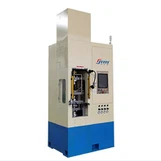
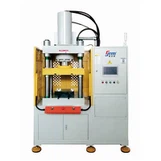
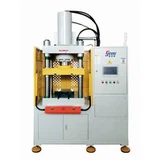
As a supplier of small hydraulic presses, ensuring the proper functioning of every component is crucial. One of the most important parts to monitor is the pressure gauge. A well - calibrated and accurate pressure gauge is essential for the safe and efficient operation of a small hydraulic press. In this blog, I'll share some detailed steps on how to check the pressure gauge of a small hydraulic press.
Step 1: Visual Inspection
Before you start any technical checks, a simple visual inspection can reveal a lot. First, check the exterior of the pressure gauge. Look for any signs of physical damage such as cracks on the glass face, dents on the housing, or loose connections. A cracked glass can allow dust and moisture to enter the gauge, which may affect its accuracy. Loose connections can lead to pressure leaks and inaccurate readings.
If you notice any visible damage, it's advisable to replace the pressure gauge immediately. A damaged gauge may not only give incorrect readings but also pose a safety risk during the operation of the hydraulic press.
Step 2: Check the Mounting
The way the pressure gauge is mounted can also impact its performance. Ensure that the gauge is securely mounted on the hydraulic press. A loose - fitting gauge can vibrate during the operation of the press, causing false readings.
Make sure that the mounting location is appropriate. The gauge should be installed in a place where it is easily visible to the operator but also protected from physical impacts. For example, avoid mounting it in an area where it can be accidentally hit by tools or other equipment.
Step 3: Zero - Point Check
The zero - point check is a fundamental step in verifying the accuracy of the pressure gauge. Before starting the hydraulic press, the gauge should read zero. If it doesn't, there may be an issue with the gauge or the hydraulic system.
To perform a zero - point check, turn off the hydraulic press and allow the system to depressurize completely. Then, observe the reading on the pressure gauge. If the reading is not zero, try gently tapping the face of the gauge. Sometimes, a small mechanical obstruction can cause the needle to stick, and tapping can free it.
If tapping doesn't correct the zero - point reading, the gauge may need to be calibrated or replaced. Calibration can be done using a calibrated reference gauge. Connect the reference gauge to the same hydraulic line as the gauge being tested and compare the readings. If there is a significant difference, adjust the gauge being tested according to the manufacturer's instructions.
Step 4: Pressure - Range Check
Once the zero - point check is completed successfully, it's time to check the gauge's performance across its pressure range. Start the hydraulic press and gradually increase the pressure. Observe how the needle on the pressure gauge moves.
The needle should move smoothly and steadily as the pressure increases. Any jerky or erratic movement may indicate a problem with the gauge's internal mechanism. If the needle jumps suddenly or fails to move when the pressure is increased, it could be a sign of a blocked or damaged pressure - sensing element inside the gauge.
Compare the readings on the pressure gauge with the expected pressure values for the hydraulic press at different settings. You can refer to the press's manual to find the correct pressure - range values. If the readings deviate significantly from the expected values, the gauge may be inaccurate.
Step 5: Repeatability Check
Repeatability is an important characteristic of a pressure gauge. It refers to the gauge's ability to give the same reading when the same pressure is applied multiple times.
To perform a repeatability check, cycle the hydraulic press through a series of pressure increases and decreases. At each pressure level, record the reading on the pressure gauge. Repeat this process several times.
If the readings vary significantly between cycles at the same pressure level, the gauge may have issues with repeatability. This could be due to internal wear and tear, a faulty pressure - sensing element, or problems with the gauge's mechanical linkage.
Step 6: Leak Check
A leak in the hydraulic system can also affect the accuracy of the pressure gauge. Check all the connections around the pressure gauge for any signs of hydraulic fluid leakage. Look for wet spots, drips, or puddles of fluid near the gauge and its connecting lines.
If you detect a leak, tighten the connections carefully. However, be careful not to over - tighten, as this can damage the fittings. If tightening the connections doesn't stop the leak, there may be a problem with the seals or the fittings themselves, and they may need to be replaced.
Importance of Regular Checks
Regularly checking the pressure gauge of a small hydraulic press is not just about ensuring accurate readings. It is also a matter of safety. An inaccurate pressure gauge can lead to over - pressurization of the hydraulic system, which can cause component failures, leaks, and even explosions in extreme cases.
Moreover, accurate pressure readings are essential for maintaining the quality of the products produced by the hydraulic press. For example, in a stamping or forming operation, the correct pressure is required to ensure that the parts are formed to the correct specifications.
Different Types of Small Hydraulic Presses and Their Pressure Gauge Checks
There are various types of small hydraulic presses, such as Hydraulic Line Press, Hot Hydraulic Press, and Jet Hydraulic Press. While the basic steps for checking the pressure gauge are similar for all these types, there are some specific considerations.
For a Hydraulic Line Press, which is often used for bending and shaping hydraulic lines, the pressure gauge needs to be able to accurately measure relatively low to medium pressures. Since the operations are often more precise, any inaccuracy in the pressure gauge can lead to poorly formed hydraulic lines.
A Hot Hydraulic Press operates at elevated temperatures. The pressure gauge used in this type of press needs to be able to withstand the heat. During the check, make sure that the gauge's performance is not affected by the high - temperature environment. Check for any signs of thermal expansion or damage to the gauge's internal components.
A Jet Hydraulic Press, which uses high - velocity jets of hydraulic fluid, may generate higher pressures and more rapid pressure changes. The pressure gauge should be able to respond quickly and accurately to these changes. Check the gauge's response time during the pressure - range check to ensure that it can keep up with the dynamic nature of the press's operation.


Conclusion
Checking the pressure gauge of a small hydraulic press is a multi - step process that requires careful attention to detail. By following the steps outlined in this blog, you can ensure that your pressure gauge is accurate, reliable, and safe to use.
If you are in the market for a small hydraulic press or need replacement parts such as pressure gauges, we are here to help. Our company offers a wide range of high - quality small hydraulic presses and related components. We have a team of experts who can provide you with professional advice and support. If you are interested in our products or have any questions, please feel free to contact us for procurement and further discussions.
References
- Hydraulic System Handbook: A comprehensive guide to hydraulic systems and their components, including pressure gauges.
- Small Hydraulic Press Manufacturer's Manuals: These manuals provide specific information about the operation and maintenance of different types of small hydraulic presses.