Hey there! As a supplier of Stamping Presses, I often get asked about how long stamping dies last. It's a crucial question, especially for those in the manufacturing game, where time and cost efficiency are king. So, let's dig into this topic and find out what affects the lifespan of stamping dies and how you can make them last longer.
What Are Stamping Dies?
Before we get into the lifespan, let's quickly go over what stamping dies are. Stamping dies are tools used in stamping presses to shape and cut metal sheets into various forms. They're like the molds that turn raw metal into the parts we need for all sorts of products, from cars and electronics to household items.


Factors Affecting the Lifespan of Stamping Dies
There are several factors that can influence how long stamping dies last. Let's take a look at some of the most important ones.
Material Quality
The quality of the material used to make the stamping die is a huge factor. High - quality die steels, like D2 or A2, are known for their durability and resistance to wear. They can withstand the high pressures and forces involved in the stamping process better than lower - quality materials. Cheaper materials might save you some money upfront, but they'll likely wear out faster, leading to more frequent replacements and higher long - term costs.
Stamping Press Quality
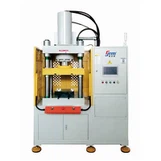
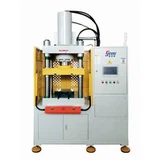
The stamping press you use also plays a big role. A well - maintained and high - quality press, like our 50 Ton Electric Hydraulic Press or Electric Hydraulic Press, can apply pressure evenly and consistently. This reduces the stress on the stamping die, helping it last longer. On the other hand, a press that's old, poorly maintained, or of low quality can cause uneven pressure, leading to premature wear and tear on the die.
Operating Conditions
The environment in which the stamping process takes place matters too. If the workshop is dirty, with a lot of dust and debris, it can get into the stamping die and cause abrasion. High temperatures can also affect the hardness of the die material, making it more prone to wear. Additionally, the frequency of use matters. If the die is used continuously without proper breaks for maintenance, it'll wear out faster.
Part Complexity
The complexity of the part being stamped is another factor. Simple, straightforward shapes are easier on the die than complex, detailed designs. Complex parts require the die to have more intricate features, which are more likely to break or wear down during the stamping process.
Typical Lifespan of Stamping Dies
So, how long can you expect a stamping die to last? Well, it really depends on the factors we just talked about. In general, a well - made and well - maintained stamping die can last anywhere from 100,000 to 1 million strokes. For simple parts and under ideal conditions, you might get closer to the million - stroke mark. But for complex parts or in less - than - ideal conditions, you could be looking at a lifespan of around 100,000 strokes or even less.
Let's break it down a bit more. If you're using a high - quality die made from premium steel in a clean, well - regulated workshop with a top - notch stamping press, you're in a good position to get a long lifespan. On the other hand, if you're using a cheaper die, an old press, and stamping complex parts in a dirty environment, you'll probably have to replace the die more often.
Extending the Lifespan of Stamping Dies
Now that we know what affects the lifespan, let's talk about how to make your stamping dies last longer.
Regular Maintenance
One of the most important things you can do is regular maintenance. This includes cleaning the die after each use to remove any metal shavings, dust, or debris. You should also inspect the die for any signs of wear or damage, like cracks or chips. If you catch these issues early, you can often repair the die instead of having to replace it. Lubrication is also key. Using the right lubricant can reduce friction between the die and the metal sheet, which in turn reduces wear.
Proper Storage
When the die isn't in use, it should be stored properly. This means keeping it in a dry, clean place, away from any sources of moisture or corrosion. You might also want to cover the die to protect it from dust.
Operator Training
Making sure your operators are well - trained is crucial. They should know how to use the stamping press correctly and how to handle the stamping die. Incorrect operation can cause unnecessary stress on the die, leading to premature wear. For example, overloading the press or using the wrong pressure settings can damage the die.
The Importance of Choosing the Right Stamping Press
As a Stamping Presses supplier, I can't stress enough the importance of choosing the right press for your stamping dies. A good press, like our Otc 50 Ton Press, is designed to work in harmony with the stamping die. It provides the right amount of pressure, at the right speed, and in the right way to ensure a long lifespan for your die.
A press that's too small for the job will have to work harder, which can put extra stress on the die. On the other hand, a press that's too large can also cause problems, as it might apply too much pressure, leading to die damage. So, it's important to choose a press that's appropriately sized for the stamping dies and the parts you're making.
Conclusion
In conclusion, the lifespan of stamping dies can vary widely depending on several factors, including material quality, stamping press quality, operating conditions, and part complexity. By taking steps to extend the lifespan, like regular maintenance, proper storage, and operator training, you can get the most out of your stamping dies. And of course, choosing the right stamping press is crucial.
If you're in the market for a new stamping press or want to learn more about how to make your stamping dies last longer, don't hesitate to get in touch. We're here to help you make the best choices for your manufacturing needs. Whether you're a small - scale operation or a large - scale factory, we've got the expertise and the products to support you.
References
- "Metal Stamping Handbook" by George E. Dieter
- "Stamping Die Design and Manufacturing" by Guo - Jing Wang