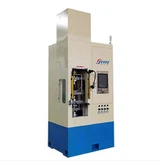
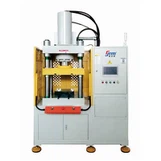
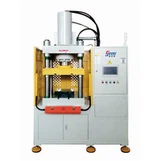
Adjusting the pressure of a 20 Ton Benchtop Press is a crucial skill that can significantly impact the quality and efficiency of your industrial operations. As a trusted supplier of 20 Ton Benchtop Presses, I understand the importance of proper pressure adjustment and its role in achieving optimal results. In this blog post, I will guide you through the process of adjusting the pressure of a 20 Ton Benchtop Press, providing you with valuable insights and practical tips to ensure a smooth and successful operation.
Understanding the Basics of a 20 Ton Benchtop Press
Before delving into the pressure adjustment process, it is essential to have a basic understanding of how a 20 Ton Benchtop Press works. A benchtop press is a versatile tool used in various industries for tasks such as pressing, punching, bending, and assembly. The "20 Ton" specification refers to the maximum force that the press can exert, which is equivalent to 40,000 pounds.
The press typically consists of a frame, a hydraulic or mechanical system, a ram, and a worktable. The hydraulic system, which is the most common type in benchtop presses, uses hydraulic fluid to transmit force from the pump to the ram. By controlling the flow and pressure of the hydraulic fluid, you can adjust the force applied by the ram to the workpiece.
Why Pressure Adjustment is Important
Proper pressure adjustment is crucial for several reasons. Firstly, it ensures the safety of the operator and the equipment. Overloading the press can cause damage to the machine, leading to costly repairs and downtime. Secondly, it affects the quality of the work. Applying too much pressure can deform or damage the workpiece, while applying too little pressure may result in an incomplete or unsatisfactory operation. Finally, it improves the efficiency of the process. By adjusting the pressure to the optimal level, you can reduce the time and effort required to complete each task.
Tools and Equipment Needed
Before you start adjusting the pressure of your 20 Ton Benchtop Press, you will need the following tools and equipment:
- Pressure gauge: This is used to measure the pressure in the hydraulic system. Make sure the pressure gauge is compatible with the press and has a suitable range for accurate readings.
- Wrenches: You will need a set of wrenches to loosen and tighten the nuts and bolts on the pressure adjustment valve.
- Safety glasses and gloves: These are essential safety equipment to protect your eyes and hands from hydraulic fluid and other hazards.
Step-by-Step Guide to Adjusting the Pressure
Now that you have the necessary tools and equipment, let's walk through the step-by-step process of adjusting the pressure of a 20 Ton Benchtop Press:
Step 1: Prepare the Press
- Make sure the press is turned off and unplugged from the power source.
- Check the hydraulic fluid level in the reservoir. If the level is low, add the recommended hydraulic fluid to the appropriate level.
- Inspect the press for any signs of damage or wear, such as leaks, cracks, or loose parts. If you notice any issues, have them repaired before proceeding.
Step 2: Locate the Pressure Adjustment Valve
The pressure adjustment valve is usually located on the hydraulic pump or the control panel of the press. Refer to the manufacturer's manual to find the exact location of the valve. It is typically a small valve with a knob or a screw that can be turned to adjust the pressure.
Step 3: Connect the Pressure Gauge
- Connect the pressure gauge to the pressure port on the hydraulic system. Make sure the connection is tight and secure to prevent any leaks.
- Open the valve on the pressure gauge to allow the hydraulic fluid to flow into the gauge.
Step 4: Start the Press
- Plug in the press and turn it on. Allow the hydraulic system to warm up for a few minutes to ensure proper operation.
- Slowly pump the handle or activate the motor to apply pressure to the ram. Observe the pressure gauge reading as the pressure increases.
Step 5: Adjust the Pressure
- Use a wrench to loosen the lock nut on the pressure adjustment valve.
- Turn the adjustment knob or screw clockwise to increase the pressure or counterclockwise to decrease the pressure. Make small adjustments at a time and monitor the pressure gauge reading after each adjustment.
- Continue adjusting the pressure until you reach the desired level. Refer to the manufacturer's recommendations or the requirements of your specific application to determine the appropriate pressure setting.
Step 6: Tighten the Lock Nut
- Once you have achieved the desired pressure setting, use a wrench to tighten the lock nut on the pressure adjustment valve. This will prevent the pressure from changing during operation.
Step 7: Test the Press
- Perform a test operation on a scrap workpiece to ensure that the pressure is adjusted correctly. Observe the operation of the press and the quality of the work.
- If necessary, make further adjustments to the pressure until you are satisfied with the results.
Tips for Pressure Adjustment
- Always refer to the manufacturer's manual for specific instructions and guidelines on pressure adjustment. Different models of 20 Ton Benchtop Presses may have slightly different procedures.
- Make small adjustments at a time to avoid overshooting the desired pressure setting. It is easier to make fine-tuning adjustments than to correct a large overshoot.
- Use a pressure gauge with a high level of accuracy to ensure precise pressure readings. This will help you achieve the optimal pressure for your application.
- Regularly check the pressure gauge and the hydraulic system for any signs of damage or wear. Replace any worn or damaged parts promptly to maintain the accuracy and reliability of the pressure adjustment.
- Keep the hydraulic fluid clean and free of contaminants. Contaminated hydraulic fluid can cause damage to the hydraulic system and affect the pressure adjustment.
Other Considerations
In addition to adjusting the pressure, there are other factors that can affect the performance of a 20 Ton Benchtop Press. These include:
- Workpiece material and thickness: Different materials and thicknesses require different levels of pressure. Make sure you adjust the pressure according to the specific requirements of your workpiece.
- Ram speed: The speed at which the ram moves can also affect the pressure and the quality of the work. Some presses allow you to adjust the ram speed, which can be useful for certain applications.
- Maintenance: Regular maintenance of the press, including lubrication, inspection, and replacement of worn parts, is essential to ensure its long-term performance and reliability.
Conclusion
Adjusting the pressure of a 20 Ton Benchtop Press is a critical skill that can improve the safety, quality, and efficiency of your industrial operations. By following the step-by-step guide and tips outlined in this blog post, you can ensure that your press is operating at the optimal pressure for your specific application.
If you are in the market for a high-quality 20 Ton Benchtop Press or other industrial equipment, we are here to help. We offer a wide range of 55 Ton Hydraulic Press, 50 Ton Electric Hydraulic Press, and 30 Ton Press to meet your diverse needs. Our team of experts is available to provide you with professional advice and support to help you make the right choice for your business.


Contact us today to discuss your requirements and explore our product range. We look forward to working with you to achieve your industrial goals.
References
- Manufacturer's manual for the 20 Ton Benchtop Press
- Industrial Press Handbook
- Hydraulic System Design and Maintenance Guide