As a seasoned supplier of Hand Power Press Machines, I understand the significance of proper pressure adjustment for these versatile tools. Whether you're a small - scale workshop owner or a large - scale manufacturing enterprise, knowing how to adjust the pressure of a hand power press machine is crucial for achieving optimal performance and product quality.
Understanding the Basics of Hand Power Press Machines
Before delving into the pressure adjustment process, it's essential to have a basic understanding of how hand power press machines work. A Hand Power Press Machine is a mechanical device that uses manual force, often applied through a lever or a handle, to generate pressure for various operations such as punching, bending, and riveting. These machines are known for their simplicity, cost - effectiveness, and ease of use.
The pressure generated by a hand power press machine depends on several factors, including the mechanical design of the machine, the length of the lever, and the force applied by the operator. By adjusting these variables, you can control the amount of pressure exerted on the workpiece.
Reasons for Adjusting the Pressure
There are several reasons why you might need to adjust the pressure of a hand power press machine. Firstly, different materials require different levels of pressure for proper processing. For example, soft materials like aluminum or plastic may need less pressure compared to harder materials like steel or iron. If the pressure is too high, it can cause damage to the material, such as cracking or deformation. On the other hand, if the pressure is too low, the operation may not be completed effectively, resulting in incomplete cuts or weak joints.
Secondly, the type of operation also determines the required pressure. Punching a small hole in a thin sheet of metal will require less pressure than bending a thick bar of steel. Therefore, adjusting the pressure according to the specific operation is essential for achieving accurate and consistent results.
Tools Required for Pressure Adjustment
To adjust the pressure of a hand power press machine, you'll need a few basic tools. A torque wrench is often required to tighten or loosen the nuts and bolts that control the pressure mechanism. A feeler gauge can be used to measure the clearance between different parts of the machine, which is important for ensuring proper alignment and pressure distribution. Additionally, a set of Allen keys or wrenches may be needed to access and adjust specific components of the machine.
Step - by - Step Guide to Adjusting the Pressure
- Inspect the Machine: Before making any adjustments, it's important to inspect the hand power press machine for any signs of damage or wear. Check the levers, handles, and pressure - generating components for cracks, loose parts, or excessive play. If any issues are found, they should be repaired or replaced before proceeding with the pressure adjustment.
- Understand the Pressure Mechanism: Different hand power press machines have different pressure - adjustment mechanisms. Some machines use a screw - type mechanism, where turning a screw clockwise increases the pressure and turning it counter - clockwise decreases the pressure. Others may use a hydraulic system, where adjusting a valve can control the fluid pressure and, in turn, the overall pressure of the machine. Refer to the machine's manual to understand the specific pressure - adjustment mechanism of your machine.
- Set the Initial Pressure: Start by setting the pressure to a low level. This is especially important if you're working with a new material or performing a new operation. You can gradually increase the pressure as needed based on the results of your test runs.
- Perform Test Runs: Once you've set the initial pressure, perform a few test runs on a scrap piece of the same material that you'll be using for your actual work. Observe the results carefully. If the operation is not completed effectively, such as a punch not going all the way through the material or a bend not being sharp enough, increase the pressure slightly and perform another test run.
- Fine - Tune the Pressure: Continuously adjust the pressure in small increments and perform test runs until you achieve the desired results. Pay attention to the quality of the work, such as the smoothness of the cut, the accuracy of the bend, or the strength of the joint. It may take several test runs to find the optimal pressure setting.
- Check for Consistency: After finding the optimal pressure setting, perform multiple test runs to ensure that the results are consistent. Inconsistent results may indicate a problem with the machine's alignment, the material, or the pressure - adjustment mechanism. If inconsistencies are found, re - check the alignment of the machine and make further adjustments as necessary.
Troubleshooting Common Pressure - Adjustment Issues
Sometimes, you may encounter issues during the pressure - adjustment process. Here are some common problems and their solutions:
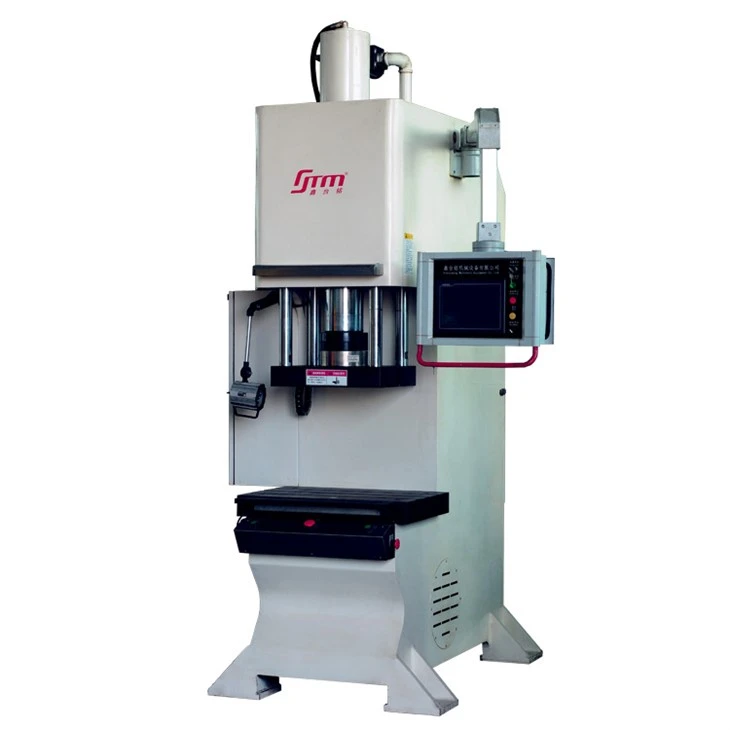

- Inability to Increase Pressure: If you're unable to increase the pressure, check if the pressure - adjustment mechanism is blocked or jammed. There may be debris or dirt preventing the screw or valve from turning. Clean the mechanism and try again. If the problem persists, there may be a mechanical issue with the machine, such as a broken gear or a worn - out component, which will require professional repair.
- Inability to Decrease Pressure: If you're unable to decrease the pressure, it could be due to a problem with the release mechanism. Check if the release valve or lever is functioning properly. If it's stuck, try lubricating it or cleaning it to free it up.
- Inconsistent Pressure: As mentioned earlier, inconsistent pressure can be caused by misalignment or a problem with the pressure - adjustment mechanism. Check the alignment of the machine's components, such as the punch and the die. Make sure that all parts are properly tightened and that there is no excessive play. If the problem persists, it may be necessary to replace worn - out parts.
Importance of Regular Maintenance
Regular maintenance is crucial for ensuring the proper functioning of a hand power press machine and for maintaining accurate pressure adjustment. Clean the machine regularly to prevent the accumulation of dirt and debris, which can affect the performance of the pressure - adjustment mechanism. Lubricate the moving parts, such as the levers and joints, to reduce friction and wear. Additionally, have the machine inspected and serviced by a professional on a regular basis to identify and address any potential issues before they become major problems.
Buying Considerations for Hand Power Press Machines
If you're in the market for a hand power press machine, there are several factors to consider. Firstly, consider the maximum pressure capacity of the machine. Make sure it can handle the materials and operations that you'll be performing. Secondly, look for a machine with a reliable and easy - to - adjust pressure mechanism. Some machines may offer more precise pressure adjustment than others, which can be beneficial for applications that require high accuracy.
If you're on a budget, you may also consider Power Press Second Hand or Power Press Machine Second Hand options. However, when buying a second - hand machine, make sure to thoroughly inspect it for any signs of damage or excessive wear. It's also a good idea to ask for the machine's maintenance history.
Conclusion
Adjusting the pressure of a hand power press machine is a skill that every operator should master. By following the steps outlined in this guide, you can ensure that your machine is operating at its optimal pressure, resulting in high - quality work and increased productivity. Remember to always refer to the machine's manual for specific instructions and to perform regular maintenance to keep your machine in top condition.
If you're interested in purchasing a hand power press machine or have any questions about pressure adjustment or machine maintenance, we're here to help. Our team of experts can provide you with the information and support you need to make the right choice for your business. Feel free to reach out to us to start a discussion about your procurement needs.
References
- Manufacturer's manuals of hand power press machines
- Industry - standard guidelines for metalworking and machine operation