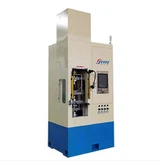
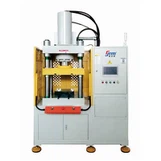
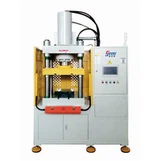
Hey there! As a supplier of 30 Ton Press, I often get asked about how to adjust the stroke length of these powerful machines. Well, you've come to the right place. In this blog, I'm gonna walk you through the whole process, step by step.
First off, let's talk about why adjusting the stroke length is important. The stroke length of a press determines how far the ram moves up and down. This is crucial because different applications require different stroke lengths. For example, if you're working on a project that needs a lot of force over a short distance, you'll want a shorter stroke length. On the other hand, if you're dealing with a larger workpiece that needs to be compressed over a longer distance, a longer stroke length is what you need.
Now, let's get into the nitty - gritty of how to actually adjust the stroke length of a 30 Ton Press.
Step 1: Know Your Press
Before you start making any adjustments, it's super important to understand the specific model of your 30 Ton Press. Different presses have different mechanisms for adjusting the stroke length. Some might have mechanical stops, while others use hydraulic or electronic controls. Check the user manual that came with your press. It'll have all the details about the adjustment features of your particular machine. If you don't have the manual, you can usually find it on the manufacturer's website.
Step 2: Safety First
Safety should always be your top priority when working with a press. Make sure the press is turned off and unplugged before you start making any adjustments. Wear appropriate safety gear, like safety glasses and gloves. Also, make sure the area around the press is clear of any debris or tools that could cause an accident.
Step 3: Locating the Adjustment Mechanism
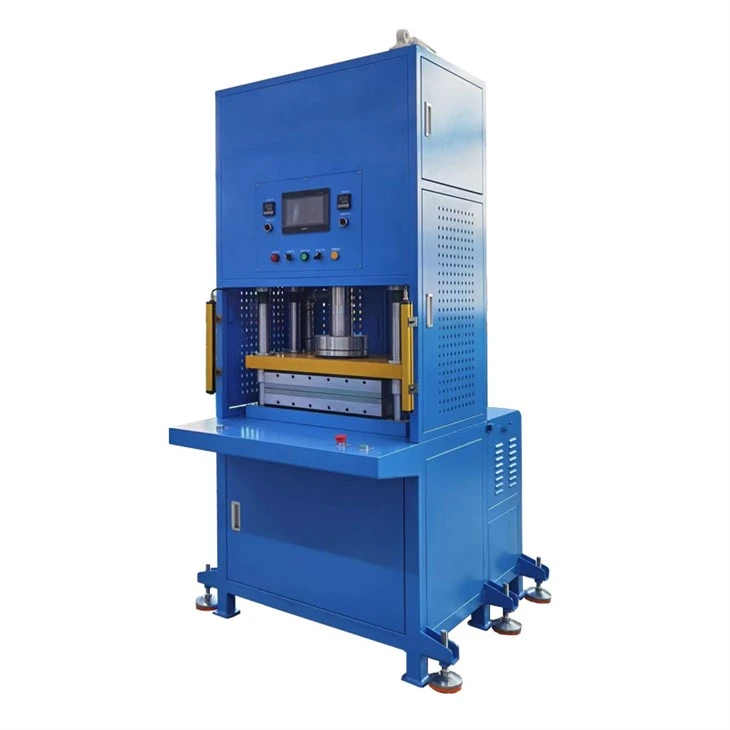
Once you've ensured your safety, it's time to find the adjustment mechanism. As I mentioned earlier, this could be a mechanical stop, a hydraulic control valve, or an electronic control panel.
Mechanical Stops
If your press uses mechanical stops, you'll usually find them near the ram or the frame of the press. These stops are essentially blocks or pins that limit the movement of the ram. To adjust the stroke length, you'll need to loosen the locking nuts or bolts that hold the stops in place. Then, you can move the stops up or down to your desired position. Once you've set the stops where you want them, tighten the locking nuts or bolts to secure them.
Hydraulic Controls
For presses with hydraulic controls, you'll need to locate the hydraulic control valve. This valve regulates the flow of hydraulic fluid to the cylinder that moves the ram. To adjust the stroke length, you'll need to use a wrench or a screwdriver to turn the adjustment screw on the valve. Turning the screw clockwise will usually decrease the stroke length, while turning it counter - clockwise will increase it. Make small adjustments at a time and test the press after each adjustment to see if you've reached the desired stroke length.
Electronic Controls
If your press has an electronic control panel, the adjustment process is usually a bit more straightforward. Look for the menu options related to stroke length adjustment on the control panel. You can use the buttons on the panel to increase or decrease the stroke length settings. Some electronic control systems even allow you to input the exact stroke length you want.
Step 4: Testing the Adjustment
After you've made the adjustments, it's time to test the press. Plug in the press and turn it on. Run a few test cycles to make sure the ram moves to the correct position. Watch closely to see if the stroke length is what you intended. If it's not, you may need to go back and make further adjustments.
Step 5: Fine - Tuning
Even after the initial test, you might find that you need to make some fine - tuning adjustments. This is normal, especially if you're aiming for a very precise stroke length. Make small changes to the adjustment mechanism and test the press again until you get the perfect stroke length for your application.
Other Considerations
When adjusting the stroke length, keep in mind that changing the stroke length can also affect the pressure and force exerted by the press. A shorter stroke length might result in higher pressure, while a longer stroke length could reduce the pressure. Make sure you're aware of these changes and adjust your work process accordingly.
Also, regular maintenance of your 30 Ton Press is essential. Keep the adjustment mechanisms clean and lubricated to ensure smooth operation. Check for any signs of wear or damage, and replace any worn - out parts as soon as possible.
If you're in the market for other types of presses, we also offer a 20 Ton Electric Hydraulic Press which is great for smaller scale operations. And if you need a press for high - temperature applications, our Hot Hydraulic Press is a top - notch choice. For more portable options, take a look at our Portable Hydraulic Bushing Press.
In conclusion, adjusting the stroke length of a 30 Ton Press is not as complicated as it might seem. By following these steps and taking the necessary safety precautions, you can easily set the stroke length to meet your specific needs. If you have any questions or need further assistance, don't hesitate to reach out. We're here to help you get the most out of your press.
If you're interested in purchasing a 30 Ton Press or any of our other products, we'd love to have a chat with you. Just get in touch, and we can discuss your requirements and find the perfect press for your business.

References
- Manufacturer's user manuals for 30 Ton Presses
- Industry best practices for press operation and maintenance