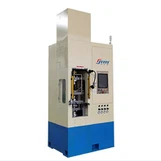
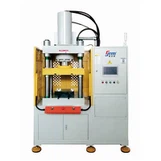
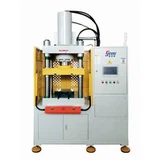
As a supplier of 20 Ton Hydraulic Presses, ensuring the proper functioning of the electrical system is crucial for the overall performance and safety of the equipment. In this blog, I will share some essential steps on how to check the electrical system of a 20 Ton Hydraulic Press.
1. Pre - inspection Preparation
Before starting the inspection, it is necessary to take some safety precautions. First, make sure the hydraulic press is powered off. This can prevent electric shock and other potential hazards during the inspection process. Gather the necessary tools, such as a multimeter, insulation tester, and screwdrivers. These tools will help you measure electrical parameters and access electrical components.


2. Visual Inspection of Electrical Components
- Cables and Wires: Examine all the cables and wires connected to the hydraulic press. Look for signs of wear, fraying, or damage. Cables that are exposed or have broken insulation can cause short - circuits or electrical leakage. Check the cable connections at the terminals. Loose connections can lead to poor electrical conductivity, overheating, and even equipment failure. Tighten any loose terminals using the appropriate screwdriver.
- Control Panel: Open the control panel of the hydraulic press. Inspect the circuit breakers, relays, and fuses. Circuit breakers should be in the proper position, and there should be no signs of tripping or overheating. Relays should be clean and free from any signs of burning or corrosion. Fuses should be intact, and if a fuse is blown, it needs to be replaced with a fuse of the correct rating. A blown fuse usually indicates an over - current situation in the circuit, and the root cause should be investigated.
- Motors: The electric motor is a key component of the hydraulic press. Check the motor's exterior for any physical damage, such as cracks or dents. Inspect the motor's cooling fins to ensure they are clean and not blocked. Blocked cooling fins can cause the motor to overheat, reducing its efficiency and lifespan. Also, check the motor's wiring connections to make sure they are secure.
3. Electrical Parameter Testing
- Voltage Measurement: Use a multimeter to measure the voltage at different points in the electrical system. First, measure the input voltage at the main power supply connection. The voltage should be within the specified range for the hydraulic press. For example, if the press is designed to operate at 400V, the measured voltage should be close to this value, with an acceptable tolerance. Then, measure the voltage at the terminals of the motor and other electrical components. Abnormal voltage readings can indicate problems such as voltage drops in the cables or faulty electrical components.
- Resistance Measurement: Measure the resistance of electrical components such as motors, coils, and heating elements. A significant deviation from the rated resistance value can indicate a problem with the component. For example, a short - circuited motor coil will have a very low resistance, while an open - circuited coil will have an infinite resistance. Compare the measured resistance values with the manufacturer's specifications.
- Insulation Resistance Testing: Use an insulation tester to measure the insulation resistance of the cables and electrical components. Good insulation is essential to prevent electrical leakage and ensure the safety of the equipment. The insulation resistance should be above a certain minimum value, usually specified by the manufacturer. Low insulation resistance can be caused by moisture, dirt, or damage to the insulation.
4. Function Testing of Control Systems
- Start - Stop Function: Test the start - stop function of the hydraulic press. Press the start button and check if the motor starts smoothly. Listen for any abnormal noises during the startup process, such as grinding or humming sounds, which can indicate problems with the motor or the drive system. Then, press the stop button and check if the motor stops immediately. If there are any delays or failures in the start - stop function, it may be due to problems with the control circuit, relays, or buttons.
- Pressure Control Function: If the hydraulic press has a pressure control system, test its functionality. Set the desired pressure on the control panel and check if the press can reach and maintain the set pressure. Use a pressure gauge to verify the actual pressure. If the actual pressure does not match the set pressure, it could be due to problems with the pressure sensor, the control valve, or the hydraulic system itself.
- Safety Interlock Function: Most hydraulic presses are equipped with safety interlocks, such as door interlocks and emergency stop buttons. Test these safety interlocks to ensure they are working properly. For example, open the safety door and check if the press stops immediately. Press the emergency stop button and verify that all electrical and hydraulic operations stop. Any malfunction of the safety interlocks can pose a serious safety risk to the operators.
5. Troubleshooting and Maintenance
- Fault Diagnosis: If any problems are found during the inspection, it is necessary to diagnose the root cause of the fault. Use the test results and visual inspections to narrow down the possible causes. For example, if the motor fails to start and the voltage at the motor terminals is normal, the problem may be with the motor itself, such as a broken shaft or a damaged winding.
- Repair and Replacement: Once the fault is diagnosed, carry out the necessary repairs or replacements. Replace any damaged electrical components, such as motors, relays, or fuses. Repair any damaged cables or wiring. Make sure to use high - quality replacement parts that are compatible with the hydraulic press.
- Regular Maintenance: To prevent future problems, establish a regular maintenance schedule for the electrical system of the hydraulic press. This includes cleaning the control panel, checking the cable connections, and testing the electrical parameters at regular intervals. Regular maintenance can extend the lifespan of the equipment and reduce the risk of unexpected breakdowns.
6. Conclusion
Checking the electrical system of a 20 Ton Hydraulic Press is a comprehensive process that requires careful inspection, testing, and troubleshooting. By following the steps outlined in this blog, you can ensure the proper functioning and safety of the press. At our company, we are committed to providing high - quality Stamping Presses, Hydraulic Line Press, and Small Hydraulic Press. If you are interested in our products or need more information about hydraulic press electrical system maintenance, please feel free to contact us for procurement and negotiation.
References
- Manufacturer's Manual of 20 Ton Hydraulic Press
- Electrical Engineering Handbook for Industrial Equipment
- Safety Standards for Hydraulic Presses