As a provider of C Frame Presses, I understand the crucial role that hydraulic seals play in the performance and longevity of these machines. Hydraulic seals are essential components that prevent fluid leakage, maintain pressure, and ensure the smooth operation of the press. Regularly checking these seals is a vital part of preventive maintenance, which can save you time and money in the long run. In this blog post, I'll share some practical steps on how to check the hydraulic seals in a C Frame Press.
Step 1: Gather the Necessary Tools and Safety Equipment
Before you start inspecting the hydraulic seals, it's important to gather the right tools and safety equipment. You'll need a set of wrenches, a flashlight, a clean cloth, and a magnifying glass. Safety goggles, gloves, and a face shield are also recommended to protect you from any potential hydraulic fluid splashes or debris. Make sure the press is turned off and the power supply is disconnected to avoid any accidental startup.
Step 2: Identify the Location of the Hydraulic Seals
Hydraulic seals are located in various parts of the C Frame Press, including the cylinders, pistons, valves, and hoses. The most common seals are the O-rings, which are circular rubber or elastomeric seals used to prevent fluid leakage between two mating surfaces. Other types of seals include lip seals, piston seals, and rod seals, which are designed to withstand different pressures and operating conditions. Refer to the press's manual or schematic diagram to identify the exact location of the seals.
Step 3: Inspect the Seals for Visible Damage
Using a flashlight and a magnifying glass, carefully examine the seals for any signs of damage, such as cuts, tears, cracks, or abrasions. Look for any signs of swelling, shrinking, or hardening, which can indicate a chemical reaction or excessive heat. Check the O-rings for proper seating and alignment, and make sure they are not pinched or distorted. Pay close attention to the areas where the seals come into contact with the metal surfaces, as these are the most likely places for damage to occur.
Step 4: Check for Leakage
One of the most obvious signs of a faulty hydraulic seal is fluid leakage. Look for any signs of hydraulic fluid on the outside of the press, such as puddles, drips, or stains. Check the hoses and connections for any signs of leakage, and make sure they are tight and secure. If you notice any fluid leakage, it's important to address the issue immediately to prevent further damage to the press.
Step 5: Test the Seal's Performance
In addition to visual inspection, it's also important to test the seal's performance to ensure that it is functioning properly. You can do this by operating the press and monitoring the pressure and flow of the hydraulic fluid. If you notice any fluctuations in pressure or flow, or if the press is not operating smoothly, it could be a sign of a faulty seal. You can also use a pressure gauge to measure the pressure in the hydraulic system and compare it to the manufacturer's specifications.
Step 6: Replace the Seals if Necessary
If you find any signs of damage or leakage, or if the seal's performance is not up to par, it's important to replace the seals as soon as possible. Make sure you use the correct type and size of seals for your press, and follow the manufacturer's instructions for installation. When replacing the seals, it's also a good idea to clean the mating surfaces thoroughly to remove any dirt, debris, or old sealant.
Step 7: Maintain a Regular Inspection Schedule
To ensure the continued performance and reliability of your C Frame Press, it's important to maintain a regular inspection schedule for the hydraulic seals. Depending on the frequency of use and the operating conditions, you should inspect the seals at least once a month or more often if necessary. By regularly checking the seals, you can catch any potential problems early and prevent costly repairs or downtime.

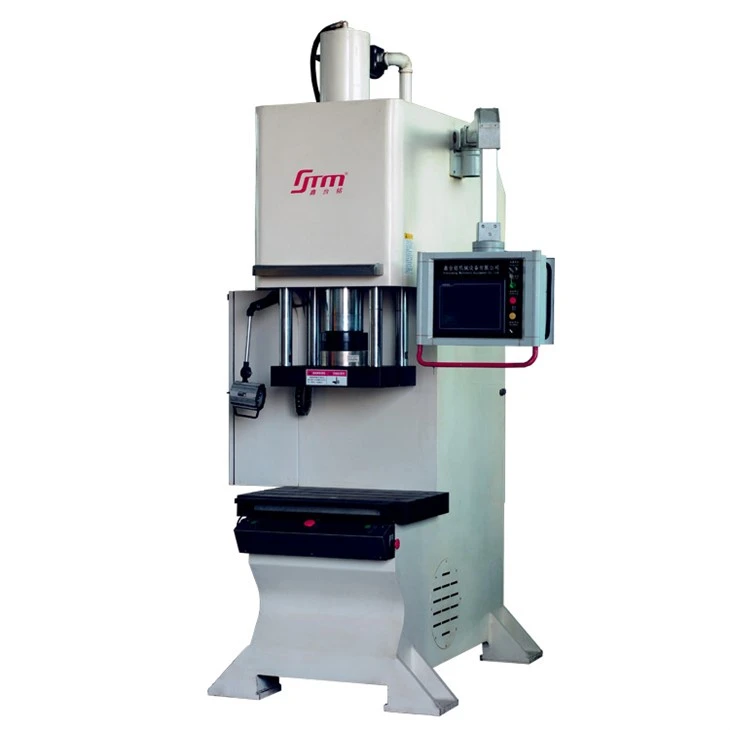
In conclusion, checking the hydraulic seals in a C Frame Press is a simple but important task that can help you avoid costly repairs and ensure the smooth operation of your machine. By following these steps and maintaining a regular inspection schedule, you can extend the life of your press and keep it running at peak performance.
If you're in the market for a new C Frame Press or need replacement parts for your existing machine, we offer a wide range of high-quality Small Electric Hydraulic Press, Air Operated Hydraulic Press, and Industrial Hydraulic Press Machine. Our presses are designed to meet the needs of various industries and applications, and we offer competitive pricing and excellent customer service. If you have any questions or would like to discuss your specific requirements, please don't hesitate to contact us for a consultation. We look forward to working with you to find the perfect solution for your pressing needs.
References
- "Hydraulic Seals: A Guide to Selection and Application." Hydraulics & Pneumatics.
- "Maintenance and Troubleshooting of Hydraulic Systems." Machinery Lubrication.
- "C Frame Presses: Design, Operation, and Maintenance." Manufacturing Engineering.