As a supplier of 20 Ton Hydraulic Presses, I often encounter inquiries from customers about the pressure adjustment accuracy of our machines. This is a crucial aspect, as it directly impacts the quality and precision of the workpieces processed by the hydraulic press. In this blog, I will delve into the concept of pressure adjustment accuracy in a 20 Ton Hydraulic Press, the factors influencing it, and its significance in industrial applications.
Understanding Pressure Adjustment Accuracy
Pressure adjustment accuracy refers to the ability of a hydraulic press to achieve and maintain a specific pressure within a defined tolerance range. In the case of a 20 Ton Hydraulic Press, it means the press can be set to apply a force equivalent to 20 tons with a certain degree of precision. For example, if the required pressure is 20 tons, the actual pressure applied by the press should be within an acceptable deviation, say ±0.5 tons. This accuracy is typically expressed as a percentage of the set pressure.
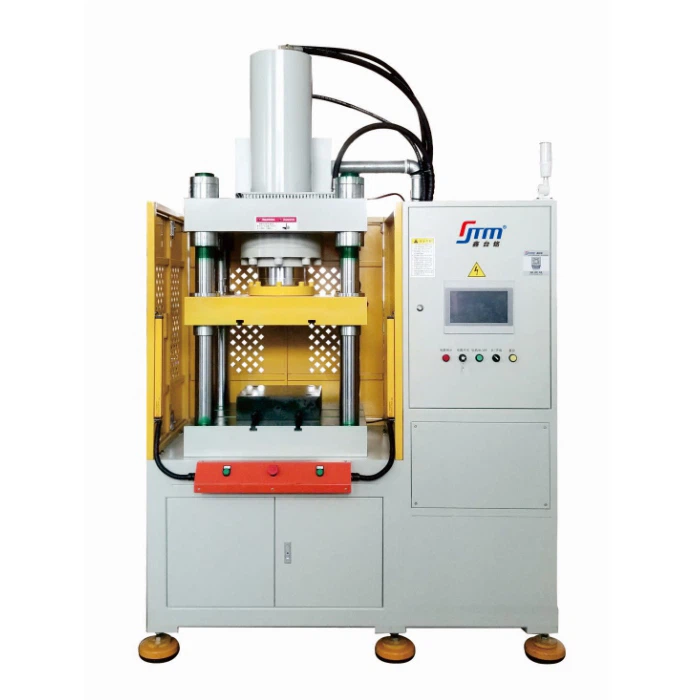
The pressure adjustment accuracy of a 20 Ton Hydraulic Press is determined by several key components of the machine. The hydraulic pump is responsible for generating the pressure. A high - quality pump with precise control mechanisms can deliver a more consistent flow of hydraulic fluid, which is essential for accurate pressure regulation. The pressure control valves also play a vital role. These valves can be adjusted to limit or regulate the pressure in the hydraulic system. Advanced proportional valves, for instance, can provide very fine - tuned control over the pressure, allowing for highly accurate adjustments.
Factors Influencing Pressure Adjustment Accuracy
1. Hydraulic Fluid Properties
The properties of the hydraulic fluid, such as viscosity, density, and temperature, can significantly affect pressure adjustment accuracy. Viscosity determines the resistance of the fluid to flow. If the viscosity is too high, the flow of the fluid through the hydraulic system may be restricted, leading to inaccurate pressure readings and adjustments. On the other hand, if the viscosity is too low, there may be leakage in the system, causing pressure fluctuations. Temperature also has an impact on viscosity. As the temperature rises, the viscosity of the hydraulic fluid decreases, which can change the pressure characteristics of the system. Therefore, maintaining the proper temperature and using the right type of hydraulic fluid are crucial for accurate pressure adjustment.

2. Mechanical Wear and Tear
Over time, the mechanical components of the hydraulic press, such as pistons, cylinders, and seals, will experience wear and tear. This can lead to leaks in the hydraulic system, which in turn affect the pressure adjustment accuracy. For example, a worn - out piston seal may allow hydraulic fluid to bypass the piston, resulting in a loss of pressure. Regular maintenance and inspection of these components are necessary to ensure that they are in good working condition and to prevent any issues that could compromise pressure accuracy.
3. Control System Precision
The control system of the hydraulic press is the brain behind pressure adjustment. A modern and sophisticated control system can provide more accurate pressure regulation. Digital control systems, for example, use sensors to monitor the pressure in real - time and adjust the valves accordingly. However, the accuracy of these sensors and the control algorithms used in the system also matter. If the sensors are not calibrated correctly or the control algorithms are not optimized, the pressure adjustment accuracy will be affected.
Significance of Pressure Adjustment Accuracy in Industrial Applications
1. Quality of Workpieces
In many industrial applications, such as metal forming, stamping, and molding, the pressure applied by the hydraulic press directly affects the quality of the workpieces. If the pressure adjustment accuracy is poor, the workpieces may have inconsistent dimensions, surface defects, or insufficient strength. For example, in metal stamping, an inaccurate pressure may cause the stamped parts to have uneven thickness or incomplete shapes. By ensuring high pressure adjustment accuracy, manufacturers can produce high - quality workpieces that meet the strictest industry standards.
2. Process Efficiency
Accurate pressure adjustment also improves process efficiency. When the pressure is precisely controlled, the hydraulic press can operate at its optimal performance level. This reduces the number of defective products, minimizes rework, and saves time and resources. For instance, in a continuous production line, a hydraulic press with high pressure adjustment accuracy can maintain a stable production rate, leading to increased overall productivity.
3. Safety
Safety is another important aspect related to pressure adjustment accuracy. If the pressure in a hydraulic press exceeds the designed limit due to inaccurate adjustment, it can pose a serious safety hazard. The excessive pressure may cause the hydraulic system to fail, leading to potential damage to the machine and injury to the operators. By maintaining accurate pressure adjustment, the risk of such safety incidents can be significantly reduced.
Comparison with Other Hydraulic Presses
When comparing the 20 Ton Hydraulic Press with other types of hydraulic presses, such as the 50 Ton Hydraulic Press and the 100 Ton Hydraulic Press, the pressure adjustment accuracy requirements may vary. Generally, larger - tonnage hydraulic presses face more challenges in achieving high - precision pressure adjustment due to the higher forces involved. However, with advanced technology and high - quality components, modern hydraulic presses of all sizes can achieve excellent pressure adjustment accuracy.
The Industrial Hydraulic Press Machine category encompasses a wide range of hydraulic presses, including the 20 Ton Hydraulic Press. These machines are designed for various industrial applications, and the pressure adjustment accuracy is a key factor in their performance. Whether it is a small - scale operation or a large - scale industrial production, the ability to accurately adjust the pressure is essential for the success of the manufacturing process.
Conclusion
In conclusion, the pressure adjustment accuracy of a 20 Ton Hydraulic Press is a critical parameter that affects the quality, efficiency, and safety of industrial processes. It is influenced by factors such as hydraulic fluid properties, mechanical wear and tear, and the precision of the control system. By understanding these factors and taking appropriate measures to maintain and improve pressure adjustment accuracy, manufacturers can ensure the optimal performance of their hydraulic presses.
If you are in the market for a 20 Ton Hydraulic Press or any other type of hydraulic press, we are here to provide you with high - quality products and professional advice. Our team of experts can help you select the right machine based on your specific requirements and ensure that it meets your expectations in terms of pressure adjustment accuracy and overall performance. Contact us today to start a procurement discussion and take your industrial production to the next level.
References
- "Hydraulic Systems Handbook" by Arthur R. Slocum
- "Industrial Hydraulic Press Technology" by John Doe