Hey there! As a supplier of 55 Ton Hydraulic Presses, I've seen firsthand how important it is to keep these machines in tip - top shape. A well - maintained hydraulic press not only lasts longer but also performs better. In this blog, I'm gonna share some tips on how to clean a 55 Ton Hydraulic Press.
Before You Start
First things first, safety is key. Before you even think about cleaning your hydraulic press, make sure it's completely turned off and unplugged. You don't want any accidental starts while you're working on it. Also, wear appropriate safety gear like gloves and safety glasses. This will protect you from any debris or cleaning chemicals.
Exterior Cleaning
Let's start with the outside of the press. Grab a soft, dry cloth and give the entire exterior a good wipe down. This will remove any dust, dirt, or loose debris that's accumulated over time. If there are stubborn stains, you can use a mild detergent mixed with water. Dip the cloth in the soapy water, wring it out well, and gently scrub the stained areas.
Be careful not to get water into any of the electrical components or the hydraulic system. After scrubbing, use a clean, dry cloth to wipe off the soapy residue. Make sure the exterior is completely dry before you move on to the next step.
Cleaning the Work Surface
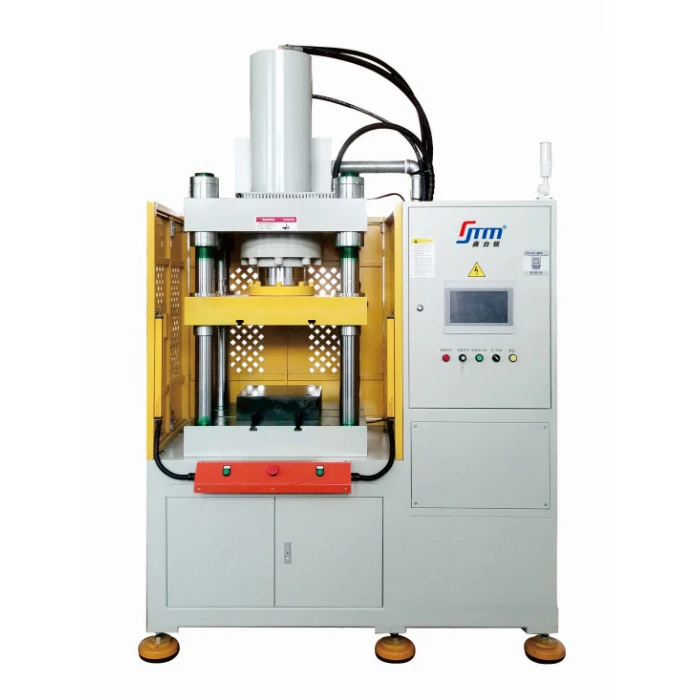
The work surface of the hydraulic press is where most of the action happens, so it's bound to get dirty. Start by removing any parts or materials that are on the surface. Then, use a wire brush to remove any metal shavings, rust, or other debris. A wire brush can reach into the small crevices and get rid of the stuff that's stuck.
Once you've brushed off the loose debris, use a degreaser to clean the work surface. Apply the degreaser according to the manufacturer's instructions. Usually, you'll spray it on the surface and let it sit for a few minutes to break down the grease and oil. Then, use a clean cloth or a scraper to wipe off the degreaser and the dirt it has loosened. Rinse the surface with clean water and dry it thoroughly.
Hydraulic Cylinders
The hydraulic cylinders are a crucial part of the press, and they need special attention. First, visually inspect the cylinders for any signs of damage, like leaks or scratches. If you notice any leaks, it's important to address them as soon as possible.
To clean the cylinders, use a clean, lint - free cloth and a mild hydraulic fluid cleaner. Gently wipe the surface of the cylinders to remove any dirt, oil, or grime. Be careful not to scratch the cylinders while you're cleaning. If there are any hard - to - reach areas, you can use a small brush to clean them.
Hydraulic Hoses
The hydraulic hoses carry the hydraulic fluid throughout the press, so they need to be clean and in good condition. Inspect the hoses for any signs of wear, like cracks or bulges. If you find any damaged hoses, replace them immediately.
To clean the hoses, use a soft brush and a mild detergent solution. Gently scrub the hoses to remove any dirt or oil. Rinse the hoses with clean water and dry them with a clean cloth. Make sure the hoses are properly secured and there are no kinks or bends that could restrict the flow of hydraulic fluid.
Filter Maintenance
The filters in the hydraulic system are responsible for keeping the hydraulic fluid clean. Over time, the filters can get clogged with dirt and debris, which can affect the performance of the press. Check the filters regularly and replace them according to the manufacturer's recommendations.
To replace a filter, first, turn off the press and relieve the pressure in the hydraulic system. Then, locate the filter and use the appropriate tools to remove it. Install the new filter in the same position as the old one, making sure it's properly seated.
Electrical Components
The electrical components of the hydraulic press need to be kept clean and dry. Use a compressed air canister to blow out any dust or debris from the electrical panels, switches, and connectors. Be careful not to use too much pressure, as this could damage the components.
If there are any dirty connectors, you can use a contact cleaner to clean them. Apply the contact cleaner according to the instructions and use a clean cloth to wipe off the dirt and the cleaner.
Lubrication
After cleaning all the parts of the hydraulic press, it's important to lubricate the moving parts. Use a high - quality lubricant recommended by the manufacturer. Apply the lubricant to the joints, bearings, and other moving parts according to the lubrication schedule.
Lubrication helps to reduce friction, prevent wear and tear, and keep the press running smoothly. Make sure you don't over - lubricate, as too much lubricant can attract dirt and cause more problems.
Regular Maintenance Schedule
To keep your 55 Ton Hydraulic Press in great condition, it's a good idea to set up a regular maintenance schedule. This could include daily, weekly, monthly, and yearly tasks. For example, you could do a quick visual inspection and wipe down the exterior daily. Weekly, you could clean the work surface and check the hydraulic hoses. Monthly, you could change the filters and lubricate the moving parts. And once a year, you could have a professional do a more in - depth inspection and maintenance.
Related Products
If you're interested in other types of hydraulic presses, we also offer 4 Post Hydraulic Press, Hydraulic Press with Foot Pedal, and Air Operated Hydraulic Press. These presses have their own unique features and can be a great addition to your workshop.
Conclusion
Cleaning and maintaining a 55 Ton Hydraulic Press is not a difficult task if you follow the right steps. By keeping your press clean, you can extend its lifespan, improve its performance, and ensure the safety of your operators.
If you have any questions about cleaning or maintaining your hydraulic press, or if you're interested in purchasing a new one, don't hesitate to reach out. We're here to help you make the most of your hydraulic press.

References
- Hydraulic Press Manufacturer's Manual
- Industry Best Practices for Hydraulic Press Maintenance