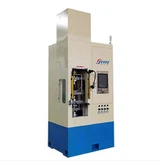
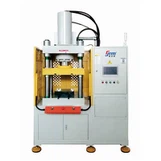
Hey there! As a supplier of Jet Hydraulic Presses, I know how important it is to keep these machines clean and well - maintained. A clean Jet Hydraulic Press not only runs more efficiently but also has a longer lifespan. In this blog, I'll share some practical tips on how to clean a Jet Hydraulic Press.
Pre - cleaning Preparations
Before you start cleaning your Jet Hydraulic Press, there are a few things you need to do. First and foremost, make sure the press is turned off and unplugged. This is a safety measure to prevent any accidental start - ups while you're cleaning. You don't want to get your fingers caught in the moving parts!
Next, gather all the necessary cleaning supplies. You'll need a mild detergent, a soft - bristle brush, a clean cloth, and some compressed air. The mild detergent will help break down any grease and grime, while the soft - bristle brush is perfect for getting into those hard - to - reach areas without scratching the surface of the press. The clean cloth is for wiping down the surfaces, and the compressed air can be used to blow out dust from the nooks and crannies.
Cleaning the Exterior
Let's start with the exterior of the Jet Hydraulic Press. Use a clean cloth dampened with the mild detergent solution to wipe down the entire surface of the press. Pay special attention to areas where there's a lot of dirt or grease buildup, like around the control panel and the hydraulic cylinders.
If there are stubborn stains, you can use the soft - bristle brush to gently scrub them. Be careful not to apply too much pressure, as you don't want to damage the paint or the metal surface. After scrubbing, use the clean cloth to wipe away the loosened dirt and the detergent residue.
Once you've wiped down the entire exterior, dry it thoroughly with a clean, dry cloth. This helps prevent rust and corrosion, which can be a big problem for hydraulic presses.
Cleaning the Hydraulic System
The hydraulic system is the heart of the Jet Hydraulic Press, so it's crucial to keep it clean. Start by checking the hydraulic fluid level. If it's low, you may need to add more fluid. But before you do that, you should also check the fluid for any signs of contamination, like dirt, debris, or water.
If the hydraulic fluid is dirty, you'll need to drain it and replace it with fresh fluid. Make sure to follow the manufacturer's instructions for draining and refilling the hydraulic fluid. Usually, there's a drain plug at the bottom of the hydraulic reservoir. Place a container under the drain plug and carefully open it to let the old fluid drain out.
After draining the old fluid, clean the inside of the hydraulic reservoir. You can use a clean cloth or a small brush to remove any dirt or sediment that may have settled at the bottom. Once the reservoir is clean, close the drain plug and refill it with the appropriate hydraulic fluid.


The hydraulic hoses and fittings also need to be cleaned. Use the compressed air to blow out any dust or debris from the hoses. Check the fittings for any signs of leaks or damage. If you find a leak, you may need to tighten the fitting or replace a seal.
Cleaning the Work Area
The work area of the Jet Hydraulic Press can get pretty dirty, especially if you're using it for heavy - duty tasks. Start by removing any debris, like metal shavings or scraps, from the work surface. You can use a brush or a vacuum cleaner to do this.
Next, clean the work surface with the mild detergent solution. Use the soft - bristle brush to scrub away any stubborn stains or dirt. After cleaning, dry the work surface thoroughly to prevent rust.
Check the guides and the slides on the work area. These are important for the smooth operation of the press. Use the compressed air to blow out any dust or debris from the guides and slides. You can also apply a small amount of lubricant to keep them moving smoothly.
Cleaning the Electrical Components
The electrical components of the Jet Hydraulic Press need to be cleaned carefully to avoid any electrical hazards. First, make sure the press is still turned off and unplugged.
Use a dry, clean cloth to wipe down the control panel and the electrical connections. Be careful not to get any moisture on the electrical components. If there's a lot of dust on the control panel, you can use the compressed air to blow it away.
Check the wiring for any signs of damage, like frayed wires or loose connections. If you find any problems, it's best to call a professional electrician to fix them.
Regular Maintenance and Cleaning Schedule
To keep your Jet Hydraulic Press in top condition, it's important to have a regular maintenance and cleaning schedule. I recommend cleaning the press at least once a month, depending on how often you use it. If you use the press for heavy - duty tasks every day, you may need to clean it more frequently.
In addition to regular cleaning, you should also perform other maintenance tasks, like checking the hydraulic fluid level, inspecting the hoses and fittings, and lubricating the moving parts. By following a regular maintenance schedule, you can prevent many problems and extend the lifespan of your Jet Hydraulic Press.
Why Choose Our Jet Hydraulic Presses
At our company, we offer high - quality Jet Hydraulic Presses that are built to last. Our presses are designed with the latest technology and are made from top - grade materials. We also offer a range of options, including Customized Hydraulic Press, 4 Post Hydraulic Press, and Air Operated Hydraulic Press.
If you're in the market for a new hydraulic press or need to replace an old one, we'd love to hear from you. Our team of experts can help you choose the right press for your needs and provide you with all the support you need, from installation to maintenance.
So, if you're interested in learning more about our Jet Hydraulic Presses or have any questions about cleaning or maintenance, don't hesitate to reach out. Contact us today to start a conversation about your hydraulic press needs.
References
- Manufacturer's manual for Jet Hydraulic Press
- Industry best practices for hydraulic press maintenance and cleaning