Hey there! As a supplier of C Frame Presses, I've seen firsthand how crucial it is to optimize the working cycle of these machines. In this blog, I'll share some tips and tricks on how to get the most out of your C Frame Press, making your operations more efficient and productive.
Understanding the Basics of a C Frame Press
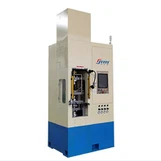
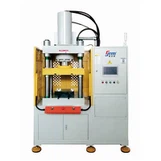
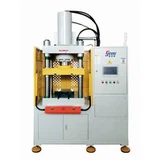
Before we dive into optimization, let's quickly go over what a C Frame Press is. A C Frame Press is a type of hydraulic press with a distinctive C-shaped frame. This design allows for easy access to the working area, making it ideal for a variety of applications such as stamping, punching, bending, and assembly.
The working cycle of a C Frame Press typically consists of four main stages: approach, work, return, and dwell. During the approach stage, the ram moves towards the workpiece. The work stage is when the actual pressing operation takes place. The return stage is when the ram moves back to its original position, and the dwell stage is a brief pause before the next cycle begins.
Tips for Optimizing the Working Cycle
1. Proper Machine Selection
The first step in optimizing the working cycle is to choose the right C Frame Press for your specific application. Consider factors such as the required force, stroke length, and table size. For example, if you're working with large workpieces, you'll need a press with a larger table and longer stroke length. On the other hand, if you're performing high-speed operations, you might want to look into an Air Operated Hydraulic Press, which can offer faster cycle times.
2. Regular Maintenance
Regular maintenance is key to keeping your C Frame Press running smoothly. This includes checking and changing the hydraulic fluid, inspecting the seals and hoses for leaks, and lubricating the moving parts. A well-maintained press will not only have a longer lifespan but will also operate more efficiently, reducing the time and cost associated with breakdowns.
3. Tooling Optimization
The tooling used in a C Frame Press can have a significant impact on the working cycle. Make sure your tools are properly designed and manufactured to fit the specific requirements of your application. Sharp and well-maintained tools will require less force to operate, reducing the cycle time and improving the quality of the finished product. Additionally, using quick-change tooling systems can significantly reduce the setup time between different jobs.
4. Control System Upgrades
Upgrading the control system of your C Frame Press can provide greater flexibility and precision in the working cycle. Modern control systems allow you to program and adjust various parameters such as the ram speed, force, and dwell time. This enables you to optimize the cycle for different types of workpieces and operations, improving efficiency and productivity.
5. Operator Training
Well-trained operators are essential for optimizing the working cycle of a C Frame Press. Provide your operators with comprehensive training on the proper operation and maintenance of the press. They should understand how to set up the machine correctly, monitor the working cycle, and troubleshoot common issues. By empowering your operators with the right knowledge and skills, you can ensure that the press is used to its full potential.
6. Process Optimization
Take a close look at your overall manufacturing process and identify any areas where the working cycle of the C Frame Press can be integrated more effectively. For example, you might be able to streamline the material handling process to reduce the time between cycles. Additionally, consider implementing automation technologies such as robotic loading and unloading systems to further improve efficiency.
Case Studies
Let's take a look at a couple of real-world examples of how these optimization strategies have been implemented successfully.
Case Study 1: Automotive Parts Manufacturer
An automotive parts manufacturer was experiencing long cycle times and high scrap rates with their existing C Frame Press. By upgrading to a 55 Ton Hydraulic Press with a more advanced control system, they were able to reduce the cycle time by 30%. They also optimized their tooling and provided additional training to their operators, resulting in a significant improvement in product quality and a reduction in scrap rates.
Case Study 2: Recycling Facility
A recycling facility was using a C Frame Press for baling waste materials. By implementing a hydraulic baling press machine, such as the Hydraulic Baling Press Machine, they were able to increase the bale density and reduce the cycle time by 25%. The new machine also had a more efficient hydraulic system, which reduced energy consumption and operating costs.
Conclusion
Optimizing the working cycle of a C Frame Press is essential for improving efficiency, productivity, and profitability. By following the tips and strategies outlined in this blog, you can ensure that your press is operating at its best. Remember, proper machine selection, regular maintenance, tooling optimization, control system upgrades, operator training, and process optimization are all key factors in achieving optimal performance.


If you're interested in learning more about how we can help you optimize your C Frame Press or if you're looking to purchase a new press, don't hesitate to reach out. We're here to assist you in finding the best solutions for your specific needs. Let's work together to take your manufacturing operations to the next level!
References
- ASME B31.1 - Power Piping
- ISO 4413 - Hydraulic fluid power - General rules and safety requirements for systems and their components
- NFPA T2.6.1 - Hydraulic Fluid Power - Safety Requirements for Hydraulic Systems