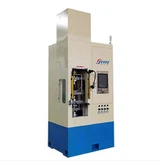
Ensuring the parallelism of the upper and lower dies in a high precision servo press is crucial for achieving accurate and consistent results in various pressing operations. As a supplier of High Precision Servo Press, we understand the significance of this factor and have extensive experience in providing solutions to maintain optimal parallelism. In this blog, we will discuss the key aspects of ensuring the parallelism of the upper and lower dies in a high precision servo press.

Understanding the Importance of Die Parallelism
In a high precision servo press, the parallelism of the upper and lower dies directly affects the quality of the finished products. When the dies are not parallel, it can lead to uneven pressure distribution across the workpiece, resulting in inconsistent part dimensions, surface defects, and even premature tool wear. Moreover, improper die parallelism can cause misalignment of the components during the pressing process, which may lead to costly production downtime and rework. Therefore, maintaining the parallelism of the upper and lower dies is essential for ensuring the efficiency and reliability of the press operation.
Factors Affecting Die Parallelism
Several factors can influence the parallelism of the upper and lower dies in a high precision servo press. These include:
- Machine Structure: The rigidity and stability of the press frame play a significant role in maintaining die parallelism. Any deformation or misalignment of the frame can cause the dies to become non - parallel.
- Guide System: A high - quality guide system is essential for guiding the movement of the upper die and ensuring its parallel motion relative to the lower die. Worn or damaged guide components can lead to deviations in die parallelism.
- Die Installation: Incorrect installation of the dies can result in non - parallel positioning. This includes improper tightening of the die holders, misaligned mounting surfaces, and uneven shimming.
- Workpiece Characteristics: The properties of the workpiece, such as its shape, size, and material, can also affect die parallelism. For example, an unevenly distributed load on the dies due to an irregularly shaped workpiece can cause the dies to tilt.
Methods for Ensuring Die Parallelism
Precise Machine Design and Manufacturing
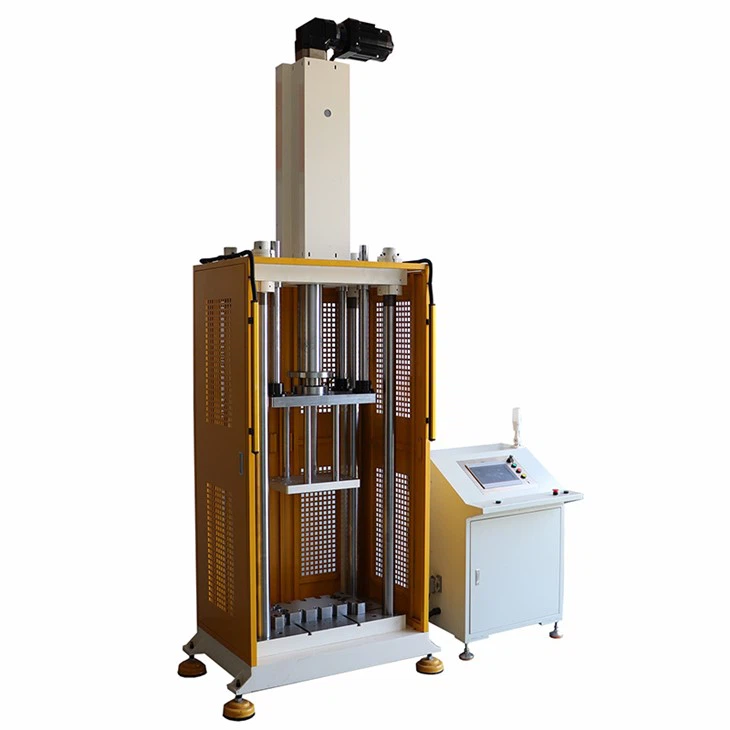
The design and manufacturing of the high precision servo press are the first steps in ensuring die parallelism. Our High Precision Servo Press is engineered with a rigid frame structure to minimize deformation under load. The use of high - strength materials and advanced manufacturing techniques ensures that the press frame maintains its shape and stability during operation. Additionally, the guide system is carefully designed and machined to provide smooth and accurate motion of the upper die, reducing the risk of non - parallel movement.
Regular Maintenance and Inspection
Regular maintenance and inspection of the press and dies are essential for maintaining die parallelism. This includes checking the guide rails for wear, lubricating the moving parts, and inspecting the die holders for tightness. Any signs of wear or damage should be addressed promptly to prevent further deterioration of die parallelism. We recommend following a comprehensive maintenance schedule provided by the press manufacturer to ensure the long - term performance of the equipment.

Die Installation and Alignment
Proper die installation and alignment are critical for achieving die parallelism. When installing the dies, it is important to ensure that the mounting surfaces are clean and free of debris. The die holders should be tightened evenly to prevent any uneven stress on the dies. Shimming can be used to adjust the height of the dies and ensure their parallel positioning. Laser alignment tools can be employed to accurately measure and adjust the parallelism of the dies during installation.
Advanced Monitoring and Control Systems
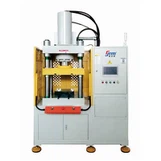
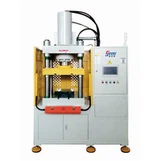
Modern high precision servo presses are equipped with advanced monitoring and control systems that can help ensure die parallelism. These systems can continuously monitor the position and movement of the upper die and provide real - time feedback to the operator. If any deviation from the desired parallelism is detected, the control system can automatically adjust the press parameters to correct the issue. For example, our Servo Hydraulic Press Machine is equipped with a state - of - the - art control system that can precisely control the movement of the upper die and maintain optimal die parallelism.
Operator Training
Well - trained operators are essential for ensuring die parallelism in a high precision servo press. Operators should be familiar with the press operation, die installation procedures, and maintenance requirements. They should also be able to recognize the signs of non - parallel dies and take appropriate corrective actions. We offer comprehensive training programs for our customers to ensure that their operators have the necessary skills and knowledge to operate the press safely and efficiently.
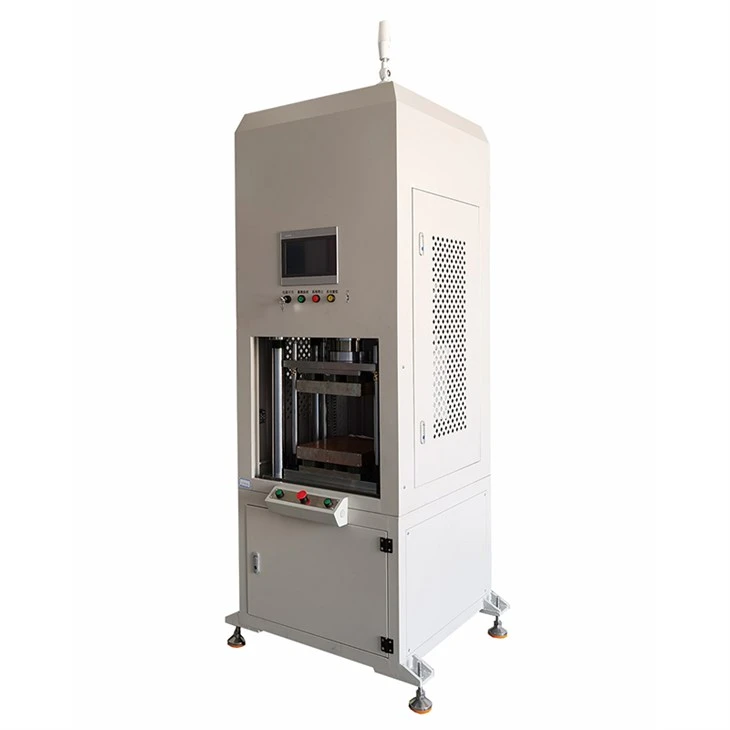
Case Study: Improving Die Parallelism in a Manufacturing Facility
A manufacturing facility was experiencing issues with inconsistent part quality and premature tool wear in their high precision servo press operations. After a detailed inspection, it was found that the die parallelism was not within the acceptable range. Our team of experts worked closely with the facility to address the issue.
First, we conducted a thorough inspection of the press structure and guide system. We found that the guide rails were worn, which was causing the upper die to move non - parallel to the lower die. We replaced the worn guide rails and realigned the guide system to ensure smooth and accurate motion of the upper die.
Next, we focused on the die installation process. We trained the operators on the proper installation and alignment techniques, including the use of shimming and laser alignment tools. We also provided them with a detailed maintenance schedule to ensure that the dies and the press were regularly inspected and maintained.
After implementing these measures, the manufacturing facility noticed a significant improvement in part quality. The number of defective parts was reduced, and the tool life was extended. The improved die parallelism also led to increased production efficiency and reduced downtime.
Conclusion
Ensuring the parallelism of the upper and lower dies in a high precision servo press is a complex but essential task. By focusing on precise machine design, regular maintenance, proper die installation, advanced monitoring systems, and operator training, manufacturers can achieve optimal die parallelism and improve the quality and efficiency of their pressing operations.
As a leading supplier of High Precision Servo Press, Servo Hydraulic Press Machine, and H Frame Electric Servo Press, we are committed to providing our customers with high - quality products and comprehensive solutions to meet their pressing needs. If you are interested in learning more about our products or need assistance in ensuring die parallelism in your press operations, please feel free to contact us for a consultation and potential procurement discussion.
References
- "Precision Press Technology Handbook"
- "Advanced Manufacturing Processes and Technologies"
- Industry whitepapers on high precision servo press operations