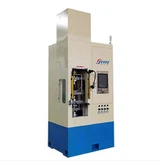
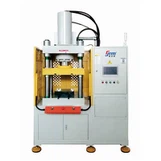
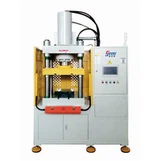
Hey there! As a supplier of hot hydraulic presses, I've seen firsthand how crucial reliability is in these machines. A reliable hot hydraulic press can significantly boost productivity, cut down on maintenance costs, and ensure consistent output quality. So, in this blog post, I'm gonna share some tips on how to improve the reliability of a hot hydraulic press.
1. Regular Maintenance
One of the most important things you can do to improve the reliability of a hot hydraulic press is to perform regular maintenance. Just like a car, a hydraulic press needs regular check - ups to keep it running smoothly.

- Fluid Checks and Changes: Hydraulic fluid is the lifeblood of the press. Over time, it can break down, become contaminated with dirt, metal particles, or moisture. You should regularly check the fluid level and its condition. If it looks dirty or its viscosity has changed, it's time for a fluid change. A good rule of thumb is to change the hydraulic fluid every 2000 - 3000 operating hours, but this can vary depending on the specific press and its usage.
- Filter Replacements: Filters play a vital role in keeping the hydraulic fluid clean. They trap contaminants and prevent them from circulating through the system. Make sure to replace the filters at the recommended intervals. A clogged filter can restrict the flow of fluid, which can lead to overheating and premature wear of components.
- Inspect Seals and Hoses: Seals and hoses are prone to wear and tear. Check them regularly for signs of leaks, cracks, or bulges. A small leak can quickly turn into a big problem if left unattended. Replace any damaged seals or hoses immediately. You can find high - quality [Hydraulic Hose Press](hydraulic - press/hydraulic - hose - press.html) on our website to handle hose - related maintenance tasks.
2. Quality Components
The quality of the components used in a hot hydraulic press has a direct impact on its reliability. When building or upgrading a press, it's essential to use high - quality parts.
- Press Cylinders: The press cylinder is one of the most critical components of a hydraulic press. A high - quality cylinder can withstand high pressures and operate smoothly for a long time. For example, our [50 Ton Press Cylinder](hydraulic - press/50 - ton - press - cylinder.html) is made from premium materials and undergoes strict quality control to ensure its reliability.
- Pumps and Valves: The pump is responsible for generating the hydraulic pressure, and the valves control the flow of fluid. Using reliable pumps and valves can prevent issues such as pressure fluctuations and inconsistent operation. Look for pumps and valves from reputable manufacturers that offer good warranties.
3. Operator Training
Even the most reliable hot hydraulic press can break down if it's not operated correctly. That's why operator training is so important.
- Proper Operation Procedures: Train your operators on the correct way to operate the press. This includes starting and stopping the machine, setting the right pressure and temperature, and loading and unloading the workpieces safely. Incorrect operation can put unnecessary stress on the press and lead to premature failure.
- Safety Awareness: Safety should always be a top priority. Make sure your operators are aware of all the safety features of the press and know how to use them. They should also be trained to recognize potential hazards and take appropriate action to prevent accidents.
4. Environmental Considerations
The environment in which a hot hydraulic press operates can also affect its reliability.
- Temperature and Humidity: Extreme temperatures and high humidity can cause problems for hydraulic systems. High temperatures can cause the hydraulic fluid to break down more quickly, while low temperatures can make the fluid thicker and reduce its flow. Try to keep the press in an environment with a stable temperature and humidity level. If necessary, use heating or cooling systems to maintain the ideal conditions.
- Dust and Debris: Dust and debris can contaminate the hydraulic fluid and damage components. Keep the area around the press clean and use appropriate filters to prevent dust from entering the system.
5. Monitoring and Diagnostic Tools
Using monitoring and diagnostic tools can help you detect potential problems before they turn into major breakdowns.
- Pressure Sensors: Install pressure sensors in the hydraulic system to monitor the pressure levels. Abnormal pressure readings can indicate issues such as leaks, blockages, or pump problems. By regularly checking the pressure data, you can take proactive measures to fix the problems.
- Temperature Sensors: Temperature sensors can help you monitor the temperature of the hydraulic fluid and other components. Overheating can be a sign of a problem, and early detection can prevent damage to the press.
6. Upgrades and Retrofits
As technology advances, there are often opportunities to upgrade and retrofit your hot hydraulic press to improve its reliability.
- Control System Upgrades: Upgrading the control system can enhance the precision and reliability of the press. Newer control systems offer features such as better pressure and temperature control, remote monitoring, and diagnostic capabilities.
- Energy - Saving Upgrades: Energy - saving upgrades can not only reduce your operating costs but also improve the reliability of the press. For example, installing a variable - speed pump can adjust the flow rate according to the actual demand, reducing the wear and tear on the pump.
7. Spare Parts Management
Having a well - managed spare parts inventory is essential for minimizing downtime in case of a breakdown.
- Critical Spare Parts: Identify the critical spare parts for your hot hydraulic press, such as seals, filters, and pump components. Keep an adequate supply of these parts on hand so that you can quickly replace them when needed.
- Supplier Relationships: Build good relationships with your spare parts suppliers. This can ensure that you get high - quality parts in a timely manner and may even get better pricing.
In conclusion, improving the reliability of a hot hydraulic press requires a combination of regular maintenance, using quality components, proper operator training, considering the environment, using monitoring tools, making upgrades, and managing spare parts. By following these tips, you can ensure that your hot hydraulic press operates reliably for a long time, saving you time and money in the long run.

If you're interested in purchasing a hot hydraulic press or need more information about improving the reliability of your existing press, don't hesitate to reach out to us. We're here to help you make the best decisions for your business. Whether you're looking for a [10 Ton Electric Hydraulic Press](hydraulic - press/10 - ton - electric - hydraulic - press.html) or a larger - capacity machine, we have a wide range of options to meet your needs. Let's start a conversation about your requirements and find the perfect solution together.
References
- "Hydraulic Press Handbook", various industry experts
- Manufacturer's manuals for hot hydraulic presses
- Industry whitepapers on hydraulic system reliability