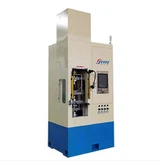
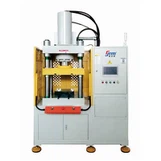
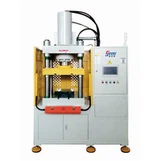
As a supplier of Hot Hydraulic Presses, I've encountered numerous inquiries about the heat insulation materials used in these machines. Understanding the right heat insulation materials is crucial for the optimal performance, safety, and longevity of a hot hydraulic press. In this blog, I'll delve into the various heat insulation materials commonly employed in hot hydraulic presses, their properties, and their significance.
Why Heat Insulation is Important in Hot Hydraulic Presses
Hot hydraulic presses operate at high temperatures, often reaching several hundred degrees Celsius. Without proper heat insulation, a significant amount of heat can be lost to the surrounding environment. This not only leads to increased energy consumption but also poses safety risks to operators. Additionally, excessive heat can damage adjacent components and machinery, leading to costly repairs and downtime. Heat insulation materials help to maintain the temperature within the press, ensuring efficient operation and reducing the risk of heat-related accidents.
Common Heat Insulation Materials
Fiberglass
Fiberglass is one of the most widely used heat insulation materials in hot hydraulic presses. It is made from extremely fine fibers of glass and has excellent thermal insulation properties. Fiberglass is lightweight, easy to install, and relatively inexpensive. It can withstand high temperatures up to around 500°C, making it suitable for many hot hydraulic press applications.
One of the key advantages of fiberglass is its low thermal conductivity. This means that it resists the flow of heat, effectively reducing heat transfer from the hot parts of the press to the outside. Fiberglass insulation also has good acoustic properties, which can help to reduce noise levels generated by the press.

However, fiberglass can be irritating to the skin, eyes, and respiratory system if proper safety precautions are not taken during installation. It is important to wear protective clothing, gloves, and a mask when handling fiberglass insulation.
Ceramic Fiber
Ceramic fiber is another popular heat insulation material for hot hydraulic presses. It is made from ceramic materials and can withstand much higher temperatures than fiberglass, typically up to 1200°C or more. Ceramic fiber insulation is lightweight, flexible, and has excellent thermal shock resistance.
The high-temperature resistance of ceramic fiber makes it ideal for applications where the press operates at extremely high temperatures. It can effectively reduce heat loss and maintain a stable temperature within the press. Ceramic fiber insulation also has low thermal mass, which means that it heats up and cools down quickly, reducing energy consumption.
However, ceramic fiber is more expensive than fiberglass and can be brittle. It requires careful handling during installation to prevent breakage. Additionally, like fiberglass, ceramic fiber can be a health hazard if inhaled, so proper safety measures must be taken.

Mineral Wool
Mineral wool is a general term for insulation materials made from natural or synthetic minerals. It includes materials such as rock wool and slag wool. Mineral wool has good thermal insulation properties and can withstand temperatures up to around 700°C.
One of the advantages of mineral wool is its fire resistance. It is non-combustible and can help to prevent the spread of fire in case of an emergency. Mineral wool is also resistant to moisture, which can help to prevent corrosion of the press components.
Mineral wool insulation is relatively easy to install and is available in various forms, such as blankets, boards, and loose-fill. However, it can be dusty during installation, and proper ventilation is required to avoid inhalation of the dust.
Aerogel
Aerogel is a high-performance heat insulation material that has gained popularity in recent years. It is a lightweight, porous material with an extremely low density and excellent thermal insulation properties. Aerogel can withstand high temperatures and has the lowest thermal conductivity of any known solid material.

The unique structure of aerogel allows it to trap air within its pores, which acts as an insulator. This makes aerogel highly effective at reducing heat transfer. Aerogel insulation is also hydrophobic, which means that it repels water and is resistant to moisture damage.
However, aerogel is very expensive compared to other insulation materials, and its production process is complex. It is typically used in high-end applications where cost is not a major concern and where maximum thermal insulation performance is required.
Choosing the Right Heat Insulation Material
When choosing a heat insulation material for a hot hydraulic press, several factors need to be considered:
- Temperature Resistance: The material must be able to withstand the maximum operating temperature of the press.
- Thermal Conductivity: A lower thermal conductivity means better insulation performance.
- Cost: The cost of the insulation material should be balanced with its performance and durability.
- Safety: The material should be safe to handle and use, and proper safety precautions should be taken during installation.
- Installation Requirements: Some materials may be easier to install than others, depending on the design of the press.
Applications of Heat Insulation Materials in Hot Hydraulic Presses
Heat insulation materials are used in various parts of a hot hydraulic press, including:
- Heating Chambers: To prevent heat loss from the heating elements and maintain a stable temperature within the chamber.
- Press Plates: To reduce heat transfer to the surrounding environment and protect adjacent components.
- Hydraulic Cylinders: To prevent overheating of the hydraulic fluid and ensure smooth operation of the cylinders.
Conclusion
In conclusion, heat insulation materials play a vital role in the performance and safety of hot hydraulic presses. By choosing the right insulation material, you can reduce energy consumption, improve the efficiency of the press, and protect your operators and equipment. As a supplier of Hot Hydraulic Presses, I offer a range of insulation options to meet the specific needs of your application.
If you're interested in learning more about our Electric Hydraulic Press for Blacksmithing, 20 Ton Hydraulic Press, or Hydraulic Hose Press, or if you have any questions about heat insulation materials for your hot hydraulic press, please feel free to contact us for a detailed discussion and procurement negotiation.
References
- "Handbook of Thermal Insulation Materials" by John Doe
- "Advanced Materials for High-Temperature Applications" by Jane Smith
- Industry standards and guidelines for hot hydraulic press insulation