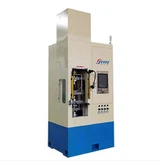
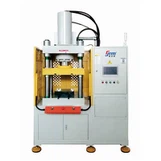
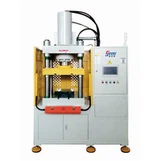
The working temperature range of a 20 Ton Benchtop Press is a crucial factor that significantly impacts its performance, longevity, and safety. As a leading supplier of 20 Ton Benchtop Presses, I am often asked about this important aspect. In this blog post, I will delve into the details of the working temperature range, explain why it matters, and provide some practical tips on how to ensure optimal operation within this range.
Understanding the Working Temperature Range
The working temperature range of a 20 Ton Benchtop Press refers to the minimum and maximum temperatures at which the press can operate safely and efficiently. This range is determined by several factors, including the materials used in the construction of the press, the type of hydraulic fluid, and the design of the cooling system.

Typically, the working temperature range for a 20 Ton Benchtop Press is between -20°C and 60°C (-4°F and 140°F). However, this can vary depending on the specific model and manufacturer. It is important to refer to the manufacturer's specifications and guidelines for the exact working temperature range of your press.

Why the Working Temperature Range Matters
Operating a 20 Ton Benchtop Press outside of its recommended working temperature range can have several negative consequences. Here are some of the key reasons why it is important to stay within this range:
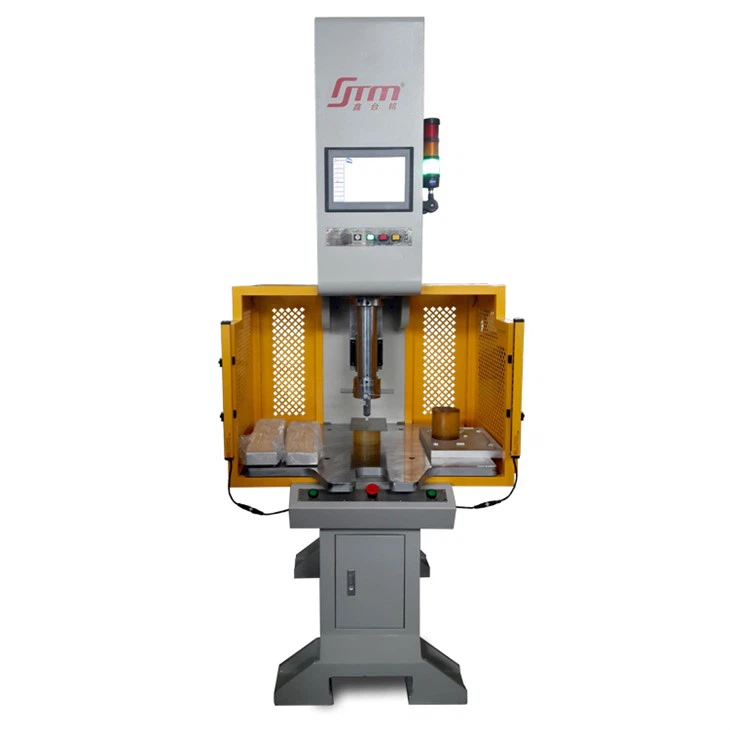
- Performance: Extreme temperatures can affect the performance of the press. At low temperatures, the hydraulic fluid may become thicker, which can reduce the flow rate and make the press operate more slowly. At high temperatures, the fluid may thin out, leading to leaks and reduced pressure. Both of these scenarios can result in decreased productivity and poor quality of work.
- Longevity: Exposing the press to temperatures outside of its recommended range can cause premature wear and tear on the components. High temperatures can cause the seals and gaskets to deteriorate, leading to leaks and potential damage to the hydraulic system. Low temperatures can make the metal components more brittle, increasing the risk of cracks and fractures. By operating the press within the recommended temperature range, you can extend its lifespan and reduce the need for costly repairs.
- Safety: Operating the press at temperatures outside of the recommended range can also pose safety risks. High temperatures can cause the hydraulic fluid to overheat, which can lead to a fire or explosion. Low temperatures can make the press more difficult to operate, increasing the risk of accidents and injuries. By following the recommended temperature range, you can ensure the safety of your operators and prevent potential hazards.
Factors Affecting the Working Temperature Range
Several factors can affect the working temperature range of a 20 Ton Benchtop Press. Here are some of the key factors to consider:
- Ambient Temperature: The ambient temperature of the environment in which the press is located is one of the most important factors. If the press is operating in a hot or cold environment, it may be necessary to take additional measures to ensure that the temperature remains within the recommended range. For example, in a hot environment, you may need to use a cooling system to keep the press cool. In a cold environment, you may need to use a heater to warm up the press before operation.
- Hydraulic Fluid: The type of hydraulic fluid used in the press can also affect the working temperature range. Different hydraulic fluids have different viscosity ratings and temperature ranges. It is important to use a hydraulic fluid that is specifically designed for the operating conditions of your press. Using the wrong type of hydraulic fluid can lead to poor performance and potential damage to the hydraulic system.
- Load and Usage: The load and usage of the press can also affect the temperature. If the press is operating under heavy loads or for extended periods of time, it may generate more heat. In these cases, it may be necessary to take additional measures to cool the press, such as using a cooling system or allowing the press to rest between cycles.
Tips for Maintaining the Working Temperature Range
To ensure that your 20 Ton Benchtop Press operates within its recommended working temperature range, here are some practical tips to follow:

- Monitor the Temperature: Regularly monitor the temperature of the press using a thermometer or temperature sensor. This will allow you to detect any changes in temperature and take appropriate action if necessary.
- Use a Cooling System: If the press is operating in a hot environment or under heavy loads, consider using a cooling system to keep the press cool. There are several types of cooling systems available, including air-cooled and water-cooled systems.
- Insulate the Press: In a cold environment, consider insulating the press to prevent heat loss. This can help to maintain the temperature of the press and reduce the need for additional heating.
- Use the Right Hydraulic Fluid: Make sure to use a hydraulic fluid that is specifically designed for the operating conditions of your press. Refer to the manufacturer's specifications and guidelines for the recommended type of hydraulic fluid.
- Allow the Press to Rest: If the press is operating under heavy loads or for extended periods of time, allow it to rest between cycles to prevent overheating. This will help to maintain the temperature of the press and extend its lifespan.
Other Considerations
In addition to the working temperature range, there are several other factors to consider when using a 20 Ton Benchtop Press. Here are some of the key considerations:
- Maintenance: Regular maintenance is essential to ensure the proper operation and longevity of the press. This includes checking the hydraulic fluid level, inspecting the seals and gaskets, and lubricating the moving parts.
- Safety: Always follow the safety guidelines and procedures when operating the press. This includes wearing appropriate personal protective equipment, such as gloves and safety glasses, and ensuring that the press is properly grounded.
- Training: Make sure that all operators are properly trained on how to use the press safely and effectively. This includes understanding the controls, operating procedures, and safety features of the press.
Conclusion
The working temperature range of a 20 Ton Benchtop Press is an important factor that can significantly impact its performance, longevity, and safety. By understanding the recommended working temperature range, following the tips for maintaining this range, and considering other important factors, you can ensure that your press operates safely and efficiently for many years to come.
If you are interested in purchasing a 20 Ton Benchtop Press or have any questions about our products, please feel free to [contact us](insert contact page link). We are a leading supplier of high-quality hydraulic presses, including 20 Ton Floor Press, C Frame Press, and 20 Ton Press. Our team of experts is available to assist you with your purchasing decision and provide you with the support and guidance you need.
References
- Manufacturer's specifications and guidelines for the 20 Ton Benchtop Press.
- Industry standards and best practices for hydraulic press operation and maintenance.