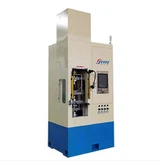
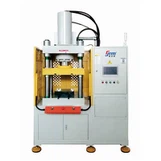
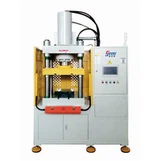
A hydraulic hose press is an indispensable tool in various industries, especially those that rely on hydraulic systems. As a leading supplier of hydraulic hose presses, we understand the diverse range of materials that these machines can process. In this blog, we will explore the different materials that a hydraulic hose press can handle, highlighting their characteristics and applications.
Rubber Hoses
Rubber hoses are one of the most common materials processed by hydraulic hose presses. They are widely used in hydraulic systems due to their flexibility, durability, and resistance to abrasion. Rubber hoses can be made from different types of rubber, such as natural rubber, synthetic rubber, and thermoplastic elastomers.

- Natural Rubber Hoses: These hoses are known for their excellent elasticity and resilience. They are suitable for applications where high flexibility is required, such as in mobile hydraulic equipment. Natural rubber hoses can withstand a wide range of temperatures and pressures, making them versatile for various industries.
- Synthetic Rubber Hoses: Synthetic rubber hoses offer improved chemical resistance and durability compared to natural rubber hoses. They are commonly used in applications where exposure to harsh chemicals or extreme temperatures is expected. Examples of synthetic rubber used in hydraulic hoses include nitrile rubber (NBR), ethylene propylene diene monomer (EPDM), and fluorocarbon rubber (FKM).
- Thermoplastic Elastomer Hoses: Thermoplastic elastomer hoses combine the properties of rubber and plastic. They are lightweight, flexible, and have excellent resistance to kinking. These hoses are often used in applications where weight reduction is a priority, such as in the automotive and aerospace industries.
When processing rubber hoses with a hydraulic hose press, it is important to ensure proper fitting and sealing. The press should be able to apply the correct amount of pressure to create a secure connection between the hose and the fitting. Our hydraulic hose presses are designed to provide precise and consistent pressure, ensuring reliable and leak-free connections.
Metal Hoses
Metal hoses are another type of material that can be processed by hydraulic hose presses. They are commonly used in applications where high pressure, high temperature, or corrosion resistance is required. Metal hoses can be made from different types of metals, such as stainless steel, carbon steel, and aluminum.
- Stainless Steel Hoses: Stainless steel hoses are known for their excellent corrosion resistance and strength. They are suitable for applications in harsh environments, such as chemical processing plants and offshore oil rigs. Stainless steel hoses can withstand high pressures and temperatures, making them ideal for hydraulic systems in heavy-duty equipment.
- Carbon Steel Hoses: Carbon steel hoses are more economical than stainless steel hoses and offer good strength and durability. They are commonly used in general industrial applications where corrosion resistance is not a major concern. Carbon steel hoses can be coated or galvanized to improve their corrosion resistance.
- Aluminum Hoses: Aluminum hoses are lightweight and have good thermal conductivity. They are often used in applications where weight reduction is important, such as in the automotive and aerospace industries. Aluminum hoses are also resistant to corrosion, making them suitable for outdoor applications.
Processing metal hoses with a hydraulic hose press requires special considerations. The press should be able to handle the hardness and thickness of the metal. Our hydraulic hose presses are equipped with powerful cylinders and precision dies to ensure proper crimping of metal hoses. We also offer a range of accessories and tooling to accommodate different types of metal hoses.

Thermoplastic Hoses
Thermoplastic hoses are becoming increasingly popular in hydraulic systems due to their lightweight, flexibility, and chemical resistance. They are made from thermoplastic materials, such as polyvinyl chloride (PVC), polyurethane (PU), and polyethylene (PE).

- PVC Hoses: PVC hoses are inexpensive and have good chemical resistance. They are commonly used in low-pressure applications, such as in water and air systems. PVC hoses are also available in different colors, making them easy to identify in a complex hydraulic system.
- PU Hoses: PU hoses offer excellent abrasion resistance and flexibility. They are suitable for applications where high flexibility and durability are required, such as in robotic arms and industrial machinery. PU hoses can also withstand a wide range of temperatures, making them versatile for various industries.
- PE Hoses: PE hoses are lightweight and have good chemical resistance. They are commonly used in applications where weight reduction is important, such as in the automotive and aerospace industries. PE hoses are also resistant to UV radiation, making them suitable for outdoor applications.
When processing thermoplastic hoses with a hydraulic hose press, it is important to use the correct crimping dies and settings. The press should be able to apply the right amount of pressure to create a secure connection without damaging the hose. Our hydraulic hose presses are designed to handle thermoplastic hoses with precision and efficiency.
Other Materials
In addition to rubber, metal, and thermoplastic hoses, hydraulic hose presses can also process other materials, such as composite hoses and braided hoses.
- Composite Hoses: Composite hoses are made from a combination of different materials, such as rubber, metal, and thermoplastic. They offer the advantages of multiple materials, such as high strength, flexibility, and chemical resistance. Composite hoses are commonly used in applications where a combination of properties is required, such as in the chemical and petrochemical industries.
- Braided Hoses: Braided hoses are reinforced with a braided layer of metal or synthetic fibers. The braided layer provides additional strength and pressure resistance to the hose. Braided hoses are commonly used in high-pressure applications, such as in hydraulic cylinders and power steering systems.
Our hydraulic hose presses are capable of processing a wide range of materials, including composite and braided hoses. We have the expertise and experience to provide customized solutions for different applications.
Conclusion
As a leading supplier of hydraulic hose presses, we offer a wide range of machines that can process different types of materials. Whether you need to process rubber hoses, metal hoses, thermoplastic hoses, or other materials, our hydraulic hose presses are designed to meet your requirements. We also provide comprehensive technical support and after-sales service to ensure the smooth operation of your equipment.

If you are interested in learning more about our hydraulic hose presses or have specific requirements for your application, please [contact us] for a consultation. Our team of experts will be happy to assist you in finding the right solution for your needs.
References
- "Hydraulic Hose Fittings and Assemblies" by Parker Hannifin Corporation
- "Industrial Hoses: A Guide to Selection, Installation, and Maintenance" by Hose Manufacturers Institute
- "Hydraulic Systems and Components" by Eaton Corporation