As a supplier of 20 Ton Floor Press, I understand the importance of keeping your equipment in optimal working condition. In this blog, I'll share some valuable insights on troubleshooting common problems with the 20 Ton Floor Press to ensure smooth operations and minimize downtime.
1. Understanding the Basics of a 20 Ton Floor Press
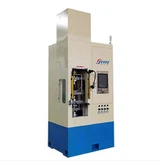
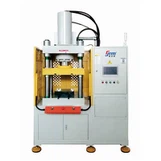
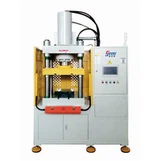
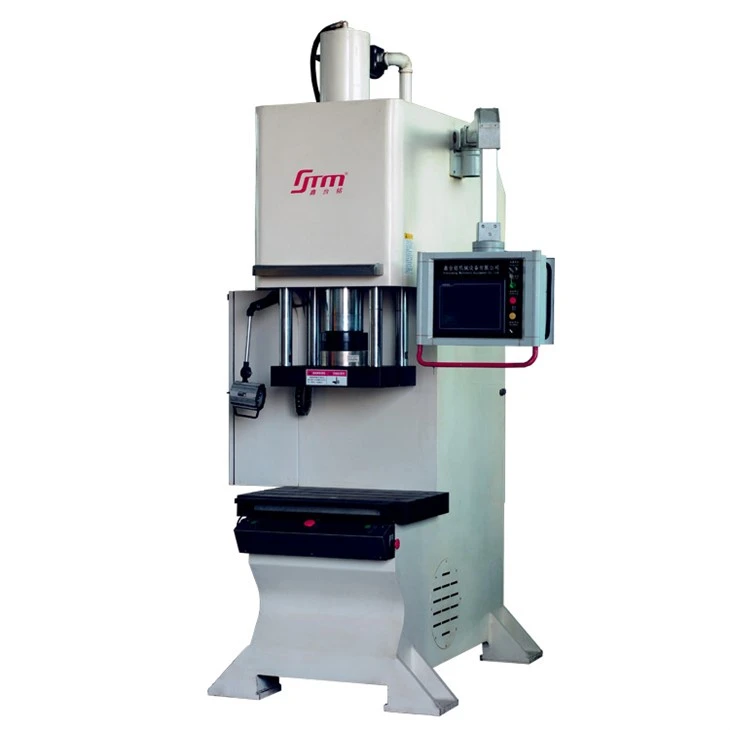
Before we dive into troubleshooting, let's briefly review the key components of a 20 Ton Floor Press. This heavy - duty machine typically consists of a hydraulic pump, a cylinder, a ram, a frame, and a control system. The hydraulic pump generates pressure to move the ram, which is used to apply force on the workpiece.

2. Hydraulic System Issues
Leakage
One of the most common problems with hydraulic systems is leakage. Leaks can occur at various points, such as the hoses, fittings, or the cylinder seals. To identify a leak, look for signs of hydraulic fluid on the floor around the press or on the components themselves.
- Solution: First, check all the hoses and fittings for loose connections. Tighten any loose fittings using the appropriate tools. If the leak is coming from a hose, it may need to be replaced. For cylinder seal leaks, you may need to disassemble the cylinder and replace the seals. This is a more complex task and may require professional assistance.
Low Pressure
If the press is not applying the expected force, it could be due to low hydraulic pressure. This can be caused by a variety of factors, including a faulty pump, a clogged filter, or a leak in the system.
- Solution: Start by checking the hydraulic fluid level. If it's low, refill it to the recommended level. Next, inspect the filter. A clogged filter can restrict the flow of fluid and reduce pressure. Replace the filter if necessary. If the problem persists, the pump may be malfunctioning. Check the pump for any signs of damage or wear and consult the manufacturer's manual for further troubleshooting steps.
3. Ram Movement Problems
Sticking Ram
A sticking ram can prevent the press from operating smoothly. This can be caused by dirt, debris, or lack of lubrication in the ram guide or the cylinder.
- Solution: First, clean the ram guide and the cylinder to remove any dirt or debris. Apply a suitable lubricant to the ram guide to ensure smooth movement. If the problem still exists, check for any signs of damage to the ram or the cylinder walls. In some cases, the ram may need to be realigned or the cylinder may need to be repaired.
Uneven Ram Movement
If the ram moves unevenly, it can cause inconsistent pressure on the workpiece. This can be due to misaligned components, worn bearings, or problems with the hydraulic system.

- Solution: Check the alignment of the ram and the cylinder. Make sure all the components are properly installed and tightened. Inspect the bearings for wear and replace them if necessary. Also, check the hydraulic system for any blockages or leaks that could be causing uneven pressure distribution.
4. Electrical and Control System Problems
Faulty Switches
The control switches on the press are used to start, stop, and control the operation of the machine. If a switch is faulty, it can prevent the press from functioning properly.
- Solution: Check the switches for any visible damage, such as cracks or loose connections. Use a multimeter to test the continuity of the switches. If a switch is found to be faulty, replace it with a new one.
Control Panel Malfunctions
Problems with the control panel can lead to incorrect operation of the press. This can be due to software glitches, electrical shorts, or damaged components.
- Solution: If the control panel displays error messages, refer to the manufacturer's manual for troubleshooting guidance. Check the wiring connections in the control panel for any loose or damaged wires. In some cases, you may need to reset the control panel or update the software.
5. Overheating Issues
Overheating can cause damage to the hydraulic system, electrical components, and other parts of the press. This can be caused by excessive use, a malfunctioning cooling system, or a problem with the hydraulic fluid.
- Solution: First, reduce the workload on the press to allow it to cool down. Check the cooling system, such as the radiator or the cooling fan, to ensure it is working properly. Also, check the hydraulic fluid level and quality. If the fluid is old or contaminated, replace it with fresh fluid.
Additional Resources and Related Products
If you are facing more complex problems or need a different type of press for your specific application, we also offer a range of other hydraulic presses. For example, our Air Operated Hydraulic Press is a great option for applications that require precise control and high - speed operation. Our 100 Ton Hydraulic Press is suitable for heavy - duty industrial applications, and the 50 Ton Electric Hydraulic Press provides a balance between power and efficiency.
Conclusion
Troubleshooting common problems with a 20 Ton Floor Press requires a systematic approach and a good understanding of the machine's components. By following the steps outlined in this blog, you can identify and resolve many of the issues that may arise during the operation of your press. However, if you encounter problems that you are unable to solve on your own, don't hesitate to contact us. We are here to provide you with professional support and ensure that your press is back up and running in no time.

If you are interested in purchasing a 20 Ton Floor Press or any of our other hydraulic presses, we invite you to contact us for a detailed discussion. Our team of experts can help you choose the right press for your needs and provide you with the best possible solution.
References
- Manufacturer's manual for the 20 Ton Floor Press
- Hydraulic system maintenance guides
- Electrical and control system troubleshooting handbooks