Hey there! As a supplier of stamping presses, I've seen my fair share of machines that are on their last legs. A stamping press is a crucial piece of equipment in many manufacturing processes, but like any machinery, it can wear out over time. In this blog, I'm gonna talk about the signs that your stamping press might be worn out and what you can do about it.
1. Unusual Noises
One of the first signs that something's up with your stamping press is when it starts making strange noises. A well - functioning press should operate relatively quietly. If you start hearing loud bangs, rattles, or screeches, it's a big red flag.
For example, a knocking noise could indicate loose parts inside the press. It might be that some bolts have come loose over time due to the constant vibration during operation. If these aren't tightened, they can cause more serious damage down the line. A screeching noise, on the other hand, could point to a problem with the lubrication. Maybe the oil isn't reaching all the moving parts, causing metal - to - metal contact and that ear - piercing sound.
If you notice these noises, it's important to stop the press immediately and have a professional take a look. Ignoring these sounds can lead to more extensive and expensive repairs.
2. Inconsistent Stamping Quality
Another tell - tale sign of a worn - out stamping press is inconsistent stamping quality. When a press is in good condition, it should produce consistent parts every time. But if you start seeing variations in the depth of the stamp, the shape of the part, or the quality of the edge, there's likely an issue.
The problem could be with the tooling. Over time, the dies can wear down, causing the stamping to be less precise. For instance, if the punch and die no longer align correctly, the part might have rough edges or an uneven shape. Also, the press's ram might not be moving smoothly, which can affect the force applied during stamping. This can lead to parts that are either over - stamped or under - stamped.
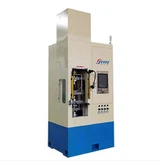
If you experience inconsistent stamping quality, you may need to replace the worn tooling or have the press adjusted. We offer a wide range of stamping presses, including the C Frame Press, which is known for its high - precision stamping capabilities.
3. Slow Operation
A stamping press that used to work at a decent speed but has suddenly slowed down is a sign of wear and tear. There could be several reasons for this. First, the hydraulic system, if it's a hydraulic press, might be having problems. The hydraulic fluid may be low, or there could be a leak in the system. A leak not only reduces the efficiency of the press but can also cause environmental issues if not addressed promptly.
The mechanical components could also be worn out. The gears, belts, or chains that drive the press might have stretched or worn teeth, causing the press to operate at a slower pace. This can lead to reduced productivity in your manufacturing process.
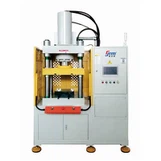
If your press is operating slowly, it's essential to diagnose the issue. You might need to refill the hydraulic fluid, repair any leaks, or replace the worn mechanical parts. Our Electric Hydraulic Press for Blacksmithing offers reliable and high - speed operation, which can be a great alternative if your current press is beyond repair.


4. Excessive Vibration
Excessive vibration is another sign that your stamping press is wearing out. While a certain amount of vibration is normal during operation, if the vibration becomes so intense that it shakes the entire machine or the surrounding area, it's a problem.
It could be due to an imbalance in the moving parts. Maybe the flywheel is out of balance, or the rotating components are not centered correctly. This uneven movement can cause excessive stress on the press's frame and other parts, leading to premature failure.
Moreover, excessive vibration can also affect the quality of the stamped parts. It can cause the parts to shift during stamping, resulting in inaccurate shapes and dimensions. If you notice excessive vibration, you should have the press inspected and balanced by a professional.
5. Frequent Breakdowns
If your stamping press is breaking down more often than usual, it's a clear sign that it's worn out. These breakdowns can be costly in terms of both time and money. Each time the press breaks down, production stops, and you may have to pay for repairs.
Common breakdowns could include issues with the electrical system, such as blown fuses or malfunctioning controllers. The mechanical parts might also break, like the crankshaft or the connecting rods. If you find yourself constantly calling in the repair team, it might be time to consider investing in a new press.
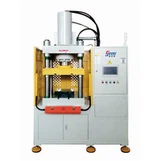
We have a great selection of reliable stamping presses, like the 20 Ton Hydraulic Press, which is built to last and can reduce the frequency of breakdowns.
What to Do If You Notice These Signs
If you’ve noticed one or more of these signs in your stamping press, the first step is to have it inspected by a qualified technician. They can accurately diagnose the problem and recommend the best course of action.
In some cases, minor repairs and maintenance might be enough to get the press back in working order. However, if the press is severely worn out, it might be more cost - effective in the long run to replace it.
We're here to help you make the right decision. Our team of experts can provide you with detailed information about our stamping presses, their features, and how they can meet your specific needs. Whether you're looking for a small press for a hobbyist workshop or a large - scale industrial press, we've got you covered.
If you're thinking about replacing your worn - out stamping press, or if you just have some questions, don't hesitate to get in touch. We're always happy to talk with you about our products and how they can improve your manufacturing process. Contact us today to start the conversation, and let's find the perfect stamping press for you.
References
- "Handbook of Metal Forming" by George E. Dieter. This book provides in - depth knowledge about metal forming processes, including stamping, and the common issues that can arise with stamping presses.
- Industry reports on stamping press maintenance and replacement. These reports offer real - world data on the lifespan of stamping presses and the signs of wear and tear.