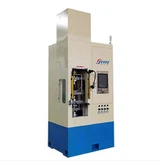
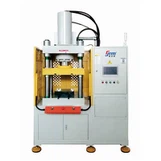
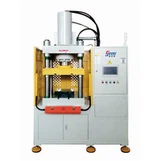
Hey there, folks! As a supplier of Servo Hydraulic Press Machines, I've gotten tons of questions about how these bad boys work. One common question is about the valve block. So, today, I'm gonna chat about the role of the valve block in a servo hydraulic press machine.
First off, let's get a quick idea of what a servo hydraulic press machine is. It's a powerful piece of equipment that uses hydraulic power controlled by a servo system. This combination allows for precise control and high efficiency in various industrial applications. It can be used in tasks like stamping, forging, and forming. And if you're interested in different types of servo presses, you can check out C Frame Electric Servo Press, H Frame Electric Servo Press, and Servo Mechanical Press.
Now, onto the valve block. The valve block is like the traffic cop of the hydraulic system in a servo hydraulic press machine. It's a crucial component that controls the flow of hydraulic fluid. Without it, the press machine wouldn't be able to function properly.
One of the primary roles of the valve block is to control the direction of the hydraulic fluid. Hydraulic fluid needs to flow in specific directions to make the press machine's components move as intended. For example, in a servo hydraulic press, the fluid needs to be directed to either extend or retract the hydraulic cylinder. The valve block uses a series of valves, such as directional control valves, to manage this flow. These valves can be opened or closed to change the path of the fluid, allowing the press to perform different operations.
Another important function is to regulate the pressure of the hydraulic fluid. Different operations in a servo hydraulic press require different levels of pressure. For instance, when performing a delicate stamping operation, a lower pressure might be needed, while a heavy forging task could demand a much higher pressure. The valve block contains pressure control valves, like relief valves and pressure-reducing valves. The relief valve ensures that the pressure in the system doesn't exceed a safe limit. If the pressure gets too high, the relief valve opens and diverts the excess fluid back to the reservoir. On the other hand, the pressure-reducing valve can be used to lower the pressure in a specific part of the system to meet the requirements of a particular operation.
The valve block also helps in controlling the flow rate of the hydraulic fluid. The speed at which the press machine's components move depends on the flow rate of the fluid. By adjusting the flow rate, the operator can control the speed of the press. Flow control valves in the valve block are used for this purpose. These valves can restrict the flow of fluid, thereby reducing the speed of the movement, or allow more fluid to pass through to increase the speed.
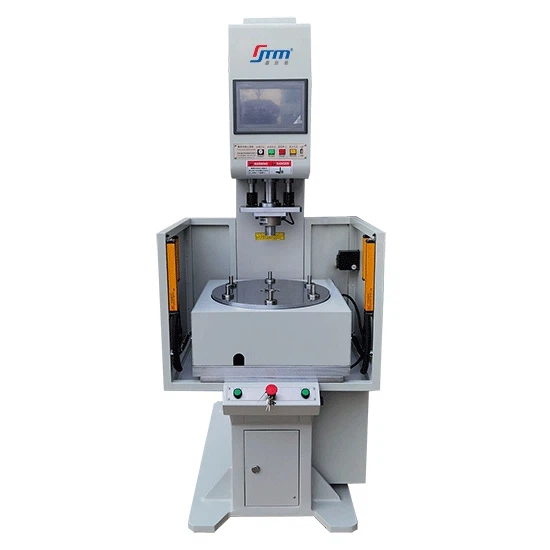

In a servo hydraulic press machine, precision is key. The valve block plays a vital role in achieving this precision. The servo system works in conjunction with the valve block to ensure that the press operates with high accuracy. The servo controller sends signals to the valves in the valve block to make precise adjustments to the fluid flow, pressure, and direction. This allows the press to perform tasks with tight tolerances, which is essential in many industries, such as automotive and aerospace manufacturing.
Let's talk about the reliability of the valve block. A well-designed and properly maintained valve block can significantly improve the overall reliability of the servo hydraulic press machine. Since it controls so many critical functions, any malfunction in the valve block can lead to problems in the press operation. That's why it's important to use high-quality valve blocks and to perform regular maintenance. This includes checking for leaks, ensuring that the valves are functioning correctly, and replacing any worn-out parts.
Now, you might be wondering about the different types of valve blocks available. There are several options, depending on the specific requirements of the servo hydraulic press machine. Some valve blocks are designed for simple applications with basic control needs, while others are more complex and can handle multiple functions simultaneously. The choice of valve block depends on factors such as the size and capacity of the press, the type of operations it will perform, and the level of precision required.
In addition to the basic functions, the valve block can also be integrated with other components in the servo hydraulic press system. For example, it can be connected to sensors that monitor the pressure, flow rate, and temperature of the hydraulic fluid. This data can be used by the servo controller to make real-time adjustments to the operation of the press, further enhancing its performance and efficiency.
Another aspect to consider is the compatibility of the valve block with the rest of the system. It needs to be designed to work seamlessly with the hydraulic pump, the servo motor, and other components. A good match ensures that the press machine operates smoothly and without any issues.
Now, if you're in the market for a servo hydraulic press machine, you need to pay close attention to the valve block. It's a critical component that can have a big impact on the performance and reliability of the press. When you're evaluating different suppliers, ask about the type of valve block they use, its features, and how it contributes to the overall operation of the machine.
If you're interested in learning more about our servo hydraulic press machines or have any questions about the valve block or other components, don't hesitate to get in touch. We're here to help you find the right solution for your industrial needs. Whether you're a small business looking for a compact press or a large manufacturer in need of a high-capacity machine, we've got you covered.
In conclusion, the valve block is an essential part of a servo hydraulic press machine. It controls the direction, pressure, and flow rate of the hydraulic fluid, which are all crucial for the proper functioning of the press. It also helps in achieving precision and reliability, making it a key component in many industrial applications. If you're thinking about purchasing a servo hydraulic press machine, make sure to consider the quality and capabilities of the valve block. And if you have any questions or want to discuss your specific requirements, feel free to reach out. We're always happy to have a chat and see how we can assist you.
References
- Hydraulic Machinery Handbook
- Servo Systems in Industrial Applications: A Comprehensive Guide