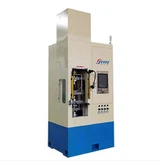
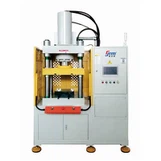
In the manufacturing industry, a 20 Ton Hydraulic Press is a versatile and essential piece of equipment. As a supplier of 20 Ton Hydraulic Presses, I've witnessed firsthand the impact that proper operation and optimization can have on productivity. In this blog post, I'll share some practical strategies and insights on how to improve the productivity of a 20 Ton Hydraulic Press.
1. Regular Maintenance and Inspection
One of the most fundamental steps in enhancing the productivity of a 20 Ton Hydraulic Press is to ensure regular maintenance and inspection. Just like any other machinery, a hydraulic press requires proper care to function at its best.
- Hydraulic Fluid Check: The hydraulic fluid is the lifeblood of the press. It's crucial to check the fluid level regularly and ensure it's clean. Contaminated fluid can cause damage to the hydraulic system, leading to decreased performance and potential breakdowns. Replace the fluid according to the manufacturer's recommendations.
- Seal and Hose Inspection: Inspect the seals and hoses for any signs of wear, leaks, or damage. Leaking seals can result in a loss of hydraulic pressure, reducing the press's efficiency. Replace any worn or damaged seals and hoses promptly.
- Lubrication: Proper lubrication of moving parts is essential to reduce friction and prevent premature wear. Follow the manufacturer's guidelines for lubrication intervals and use the recommended lubricants.
2. Operator Training and Skill Development
The operator plays a critical role in the productivity of a 20 Ton Hydraulic Press. Well-trained operators are more likely to use the press efficiently and safely.
- Comprehensive Training: Provide comprehensive training to operators on the proper operation, maintenance, and safety procedures of the hydraulic press. This includes training on how to set up the press for different jobs, adjust the pressure and speed settings, and troubleshoot common issues.
- Skill Upgrading: Encourage operators to continuously upgrade their skills through on-the-job training, workshops, and certifications. This can help them stay updated with the latest technologies and best practices in hydraulic press operation.
- Safety Awareness: Emphasize the importance of safety in hydraulic press operation. Operators should be trained to follow safety protocols, such as wearing appropriate personal protective equipment (PPE) and using safety guards and devices.
3. Process Optimization
Optimizing the manufacturing process can significantly improve the productivity of a 20 Ton Hydraulic Press.
- Job Planning and Scheduling: Plan and schedule jobs in advance to minimize downtime and maximize the press's utilization. Group similar jobs together and prioritize high-priority jobs to ensure efficient use of the press.
- Tooling and Die Design: Use high-quality tooling and dies that are specifically designed for the 20 Ton Hydraulic Press. Well-designed tooling and dies can improve the accuracy and efficiency of the pressing process, reducing the need for rework and increasing productivity.
- Automation and Integration: Consider automating certain tasks or integrating the hydraulic press with other manufacturing equipment to streamline the production process. For example, using robotic loading and unloading systems can reduce the time required for manual handling and increase the press's throughput.
4. Technology Upgrades
Investing in technology upgrades can enhance the performance and productivity of a 20 Ton Hydraulic Press.
- Advanced Control Systems: Upgrade the press's control system to a more advanced model that offers features such as programmable logic controllers (PLCs), touchscreen interfaces, and real-time monitoring. These features can improve the press's accuracy, repeatability, and ease of use.
- Energy-Efficient Components: Replace old or inefficient components with energy-efficient alternatives. For example, using variable frequency drives (VFDs) to control the hydraulic pump can reduce energy consumption and operating costs.
- Remote Monitoring and Diagnostic Systems: Implement remote monitoring and diagnostic systems that allow you to monitor the press's performance, detect potential issues, and perform maintenance remotely. This can help minimize downtime and improve the overall productivity of the press.
5. Quality Control
Maintaining high-quality standards is essential for the productivity of a 20 Ton Hydraulic Press.


- In-Process Inspection: Implement in-process inspection procedures to detect and correct any quality issues early in the manufacturing process. This can help reduce the amount of rework and scrap, improving the overall productivity of the press.
- Quality Assurance Programs: Establish quality assurance programs that include regular audits and inspections of the press and the manufacturing process. This can help ensure that the press is operating within the specified quality standards and identify areas for improvement.
- Customer Feedback: Collect and analyze customer feedback to identify any quality issues or areas for improvement. Use this feedback to make necessary adjustments to the manufacturing process and the press's operation.
6. Supplier Collaboration
As a 20 Ton Hydraulic Press supplier, I understand the importance of collaboration with our customers. By working closely with you, we can help you improve the productivity of your hydraulic press.
- Technical Support: Provide technical support to our customers, including troubleshooting assistance, maintenance advice, and spare parts supply. Our team of experienced technicians is available to help you resolve any issues you may encounter with your hydraulic press.
- Product Development: Collaborate with our customers to develop new products and solutions that meet their specific needs. We can work with you to customize the 20 Ton Hydraulic Press to suit your application requirements and improve its productivity.
- Training and Education: Offer training and education programs to our customers on the proper operation, maintenance, and safety procedures of the hydraulic press. These programs can help you improve the skills and knowledge of your operators and enhance the productivity of your hydraulic press.
Conclusion
Improving the productivity of a 20 Ton Hydraulic Press requires a comprehensive approach that includes regular maintenance, operator training, process optimization, technology upgrades, quality control, and supplier collaboration. By implementing these strategies, you can enhance the performance and efficiency of your hydraulic press, reduce downtime, and increase your overall productivity.
If you're interested in learning more about how we can help you improve the productivity of your 20 Ton Hydraulic Press, or if you're looking to purchase a new hydraulic press, please feel free to [contact us]. We'd be happy to discuss your specific needs and provide you with a customized solution.
References
- "Hydraulic Press Operation and Maintenance Handbook"
- "Manufacturing Process Optimization: Best Practices"
- "Operator Training Guidelines for Hydraulic Presses"
In addition, if you are also interested in other types of hydraulic presses, you can check out our Hydraulic Baling Press Machine, Hydraulic Hose Press, and Hydraulic Line Press. We are committed to providing high-quality hydraulic press solutions to meet your diverse needs. Contact us today to start your procurement negotiation and take your manufacturing process to the next level.