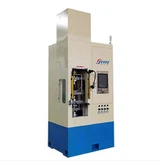
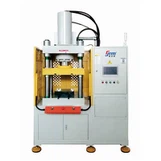
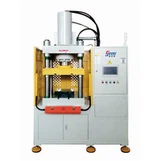
Hey there! As a supplier of hand press machines, I've seen firsthand how important it is to keep these machines well - lubricated. A properly lubricated hand press machine not only operates smoothly but also has a longer lifespan. So, in this blog, I'm gonna walk you through the steps of how to lubricate a hand press machine.
Why Lubrication Matters
Before we dive into the how - to, let's talk about why lubrication is so crucial. When a hand press machine is in use, there are a lot of moving parts. These parts rub against each other, creating friction. Friction can cause wear and tear on the components, leading to breakdowns and reduced efficiency. Lubrication acts as a barrier between these moving parts, reducing friction and preventing damage. It also helps to dissipate heat generated during operation, which is another factor that can cause premature wear.
Tools and Lubricants You'll Need
First things first, you need to gather the right tools and lubricants. You'll typically need a few basic tools like a clean cloth, a small brush (like a paintbrush), and a funnel if you're dealing with larger lubricant containers.
As for the lubricants, there are different types available, and the choice depends on your machine. For most hand press machines, a high - quality machine oil is a good option. It provides good lubrication and protection against corrosion. Some machines might require a grease - based lubricant, especially for parts that need more heavy - duty protection. Make sure to check your machine's manual to see what type of lubricant is recommended.
Step - by - Step Lubrication Process
1. Preparation
Before you start lubricating, make sure the machine is turned off and unplugged if it's an electric - powered hand press. This is a safety measure to prevent any accidental start - up while you're working on it.
Clean the machine thoroughly. Use a clean cloth to wipe away any dirt, dust, or debris from the surfaces, especially around the areas where you'll be applying the lubricant. This ensures that the lubricant can work effectively and that no foreign particles get mixed in.
2. Identify Lubrication Points
Every hand press machine has specific points that need lubrication. These are usually indicated in the machine's manual. Common lubrication points include the moving joints, such as the pivot points of levers, the slides where the ram moves up and down, and the gears.
Take a close look at your machine and locate these points. You might need to use a small flashlight to see into tight spaces. Once you've identified them, you can mark them lightly with a piece of tape if it helps you keep track.
3. Apply the Lubricant
Now it's time to apply the lubricant. If you're using machine oil, you can use the funnel to pour it into the oil ports or reservoirs if your machine has them. For smaller areas, you can use the small brush to apply the oil. Dip the brush into the oil and then carefully apply it to the moving parts. Make sure to cover the entire surface evenly.
If you're using grease, you can use a grease gun. Load the grease gun with the appropriate grease and then apply it to the lubrication points. Squeeze the handle of the grease gun slowly to dispense the grease evenly.
4. Spread the Lubricant
After applying the lubricant, you need to spread it around. For machines with moving parts that can be easily moved by hand (like levers), move them back and forth a few times. This helps to distribute the lubricant evenly across the surfaces.
For parts that are more difficult to move manually, you can use the brush to spread the lubricant. Gently brush the lubricant over the areas to ensure full coverage.
5. Wipe Off Excess Lubricant
Once you've spread the lubricant, there might be some excess. Use a clean cloth to wipe off any excess lubricant from the machine's surfaces. This not only keeps the machine clean but also prevents the lubricant from attracting more dirt and debris.


Frequency of Lubrication
The frequency of lubrication depends on how often you use the machine. If you use your hand press machine regularly, say every day or several times a week, you should lubricate it at least once a month. For machines that are used less frequently, like once a week or less, lubricating every three months should be sufficient. However, always refer to your machine's manual for the manufacturer's recommended lubrication schedule.
Benefits of Regular Lubrication
Regular lubrication offers several benefits. Firstly, it improves the performance of the machine. A well - lubricated hand press machine operates more smoothly, which means you can get more accurate and consistent results in your pressing tasks.
Secondly, it extends the lifespan of the machine. By reducing friction and wear on the moving parts, you're preventing premature breakdowns and costly repairs. This saves you money in the long run.
Lastly, it reduces the noise level of the machine. Friction between moving parts can cause a lot of noise, but with proper lubrication, the machine runs more quietly.
Troubleshooting Lubrication Issues
Sometimes, you might encounter some issues even after lubricating the machine. If you notice that the machine is still making a lot of noise or is not operating smoothly, it could be a sign that the lubricant is not the right type or that you haven't applied enough. Check the lubrication points again to make sure they're properly covered.
If there's a lot of oil leakage, it could be due to a damaged seal or an over - application of lubricant. In this case, you might need to replace the seal or adjust the amount of lubricant you're using.
Conclusion
Lubricating a hand press machine is a simple yet essential task that can make a big difference in the performance and longevity of your machine. By following these steps and using the right lubricants, you can keep your hand press machine in top - notch condition.
If you're in the market for a new hand press machine, we've got some great options available. Check out our Second Hand 10 Ton Power Press, Hand Power Press, and Hand Power Press Machine. And if you have any questions about lubrication or our products, don't hesitate to reach out to us for a procurement discussion.
References
- Manufacturer's manuals of hand press machines
- General knowledge on machine lubrication and maintenance