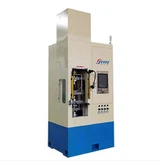
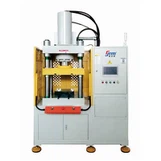
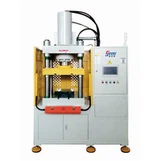
Maintaining a 20 Ton Benchtop Press is crucial for ensuring its longevity, optimal performance, and safety. As a supplier of 20 Ton Benchtop Presses, I understand the significance of proper maintenance. In this blog, I will share some essential tips and guidelines on how to maintain your 20 Ton Benchtop Press effectively.
Regular Inspection
Regular inspections are the foundation of maintaining a 20 Ton Benchtop Press. Before each use, visually inspect the press for any signs of damage, wear, or loose components. Check the frame, bolts, and nuts for tightness. Loose bolts can lead to instability during operation, which is not only dangerous but can also cause premature wear on the press.
Inspect the hydraulic hoses for any signs of leaks, cracks, or abrasions. Hydraulic fluid leaks can not only reduce the efficiency of the press but also pose a safety hazard. If you notice any issues with the hoses, replace them immediately. Additionally, check the hydraulic fluid level. Low fluid levels can cause the pump to overheat and damage the hydraulic system. Refer to the manufacturer's manual for the correct fluid level and type.
Examine the pressure gauge to ensure it is functioning correctly. A faulty pressure gauge can lead to inaccurate pressure readings, which can result in improper operation of the press. If the gauge is not working properly, have it repaired or replaced.
Lubrication
Proper lubrication is essential for the smooth operation of a 20 Ton Benchtop Press. Lubricate all moving parts, such as the ram, guides, and bearings, according to the manufacturer's recommendations. Use a high-quality lubricant that is suitable for the specific components of the press.
Regular lubrication reduces friction between moving parts, which helps to prevent wear and tear. It also helps to dissipate heat generated during operation, which can extend the lifespan of the components. Make sure to clean the parts before applying lubricant to remove any dirt or debris that could cause damage.
Cleaning
Keeping the 20 Ton Benchtop Press clean is another important aspect of maintenance. After each use, wipe down the press with a clean, dry cloth to remove any dirt, debris, or hydraulic fluid. Pay special attention to the working area, including the platens and the ram.
Periodically, use a mild detergent and water to clean the press more thoroughly. Avoid using abrasive cleaners or solvents that could damage the surface of the press. Rinse the press thoroughly and dry it completely before using it again.
Cleaning the press not only improves its appearance but also helps to prevent the accumulation of dirt and debris, which can cause problems with the operation of the press. It also helps to identify any potential issues, such as leaks or damage, before they become serious.
Calibration
Calibrating the 20 Ton Benchtop Press regularly is necessary to ensure accurate pressure and force output. Over time, the press may experience slight variations in its performance, which can affect the quality of the work. Calibration involves adjusting the press to meet the specified pressure and force requirements.
It is recommended to have the press calibrated by a qualified technician at least once a year or more frequently if the press is used extensively. The technician will use specialized equipment to measure the pressure and force output of the press and make any necessary adjustments.
Safety Checks
Safety should always be a top priority when maintaining a 20 Ton Benchtop Press. Check all safety features, such as the emergency stop button, safety guards, and overload protection, to ensure they are functioning correctly.
The emergency stop button should be easily accessible and in good working condition. Test the button regularly to make sure it stops the press immediately when pressed. Safety guards are designed to protect operators from moving parts and flying debris. Make sure the guards are in place and in good condition.
Overload protection is a crucial safety feature that prevents the press from being operated beyond its maximum capacity. Check the overload protection system regularly to ensure it is functioning properly.
Storage
If the 20 Ton Benchtop Press is not going to be used for an extended period, proper storage is essential. Store the press in a clean, dry, and well-ventilated area. Cover the press with a protective cover to prevent dust and debris from accumulating on it.
Before storing the press, drain the hydraulic fluid and clean the hydraulic system. This helps to prevent corrosion and damage to the hydraulic components. Additionally, lubricate all moving parts to prevent rust and corrosion.
Training
Proper training is essential for operators of a 20 Ton Benchtop Press. Make sure all operators are trained on the correct operation and maintenance of the press. Provide them with the manufacturer's manual and any other relevant training materials.
Training should cover topics such as safety procedures, operating controls, maintenance requirements, and troubleshooting. Operators should be aware of the potential hazards associated with the press and how to avoid them.


Conclusion
Maintaining a 20 Ton Benchtop Press is essential for ensuring its long-term performance, safety, and reliability. By following these tips and guidelines, you can keep your press in excellent condition and avoid costly repairs and downtime.
If you are in the market for a 20 Ton Benchtop Press or need customized solutions, we offer a wide range of Customized Hydraulic Press options to meet your specific needs. We also have 30 Ton Press and 50 Ton Electric Hydraulic Press models available.
If you have any questions or would like to discuss your requirements, please feel free to contact us for a procurement consultation. We are committed to providing high-quality products and excellent customer service.
References
- Manufacturer's manual for the 20 Ton Benchtop Press
- Industry standards and best practices for hydraulic press maintenance