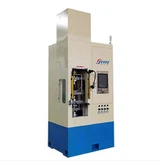
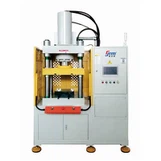
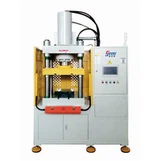
Maintaining a precision hydraulic press is crucial for ensuring its optimal performance, longevity, and safety. As a leading supplier of precision hydraulic presses, we understand the significance of proper maintenance in maximizing the efficiency and reliability of these powerful machines. In this blog post, we will share some essential tips and best practices on how to maintain a precision hydraulic press effectively.
Regular Inspection and Cleaning
Regular inspection and cleaning are fundamental steps in maintaining a precision hydraulic press. Start by visually inspecting the machine for any signs of wear, damage, or leaks. Check the hydraulic hoses, fittings, and connections for any cracks, loose parts, or fluid seepage. Inspect the cylinders, pistons, and seals for signs of corrosion, scratches, or excessive wear. Additionally, examine the electrical components, such as switches, relays, and wiring, for any signs of damage or malfunction.
Clean the hydraulic press regularly to remove dirt, debris, and contaminants that can accumulate on the machine's surfaces and components. Use a clean, dry cloth or a soft brush to wipe down the exterior of the press, including the frame, columns, and platens. Pay special attention to the hydraulic fluid reservoir, as dirt and debris can contaminate the fluid and cause damage to the hydraulic system. Use a suitable cleaning agent to clean the reservoir and ensure that it is free from any foreign particles.
Hydraulic Fluid Maintenance
The hydraulic fluid is the lifeblood of a precision hydraulic press, and proper maintenance of the fluid is essential for the machine's performance and longevity. Check the hydraulic fluid level regularly and top it up if necessary. Use only the recommended type of hydraulic fluid specified by the manufacturer to ensure compatibility and optimal performance.
Monitor the condition of the hydraulic fluid by checking its color, clarity, and viscosity. If the fluid appears cloudy, discolored, or has a strong odor, it may be contaminated and should be replaced immediately. Contaminated hydraulic fluid can cause damage to the hydraulic pump, valves, and other components, leading to costly repairs and downtime.
Change the hydraulic fluid and filter at regular intervals as recommended by the manufacturer. This will help to remove any contaminants and ensure that the hydraulic system is operating at its best. Additionally, keep the hydraulic fluid reservoir clean and free from any debris to prevent contamination.
Lubrication
Proper lubrication is essential for the smooth operation and longevity of a precision hydraulic press. Lubricate all moving parts, such as the cylinders, pistons, and bearings, regularly to reduce friction and wear. Use the recommended lubricant specified by the manufacturer to ensure compatibility and optimal performance.
Follow the manufacturer's guidelines for lubrication intervals and the amount of lubricant to use. Over-lubrication can cause excessive heat and damage to the components, while under-lubrication can lead to increased friction and wear. Additionally, keep the lubrication points clean and free from any dirt and debris to prevent contamination.
Alignment and Calibration
Maintaining proper alignment and calibration of a precision hydraulic press is crucial for ensuring accurate and consistent performance. Misalignment can cause uneven wear on the components, leading to premature failure and reduced accuracy. Regularly check the alignment of the press using a precision measuring tool, such as a dial indicator or a laser alignment system.
Calibrate the press regularly to ensure that it is operating within the specified tolerances. This will help to maintain the accuracy and repeatability of the press's performance. Follow the manufacturer's guidelines for calibration procedures and intervals, and use the recommended calibration equipment to ensure accurate results.
Safety Checks
Safety is of utmost importance when operating a precision hydraulic press. Regularly check the safety features of the press, such as the emergency stop button, safety guards, and interlocks, to ensure that they are functioning properly. Test the emergency stop button periodically to ensure that it stops the press immediately in case of an emergency.
Inspect the safety guards and interlocks for any signs of damage or malfunction. Make sure that they are properly installed and that they provide adequate protection for the operator. Additionally, train the operators on the proper use and safety procedures of the hydraulic press to prevent accidents and injuries.
Training and Education
Proper training and education of the operators are essential for the safe and efficient operation of a precision hydraulic press. Provide comprehensive training to the operators on the machine's operation, maintenance, and safety procedures. This will help to ensure that the operators are familiar with the machine's features and functions and that they can operate it safely and effectively.
Encourage the operators to report any issues or problems with the hydraulic press immediately. This will help to prevent small problems from becoming major issues and will ensure that the machine is maintained in good working condition. Additionally, provide ongoing training and education to the operators to keep them updated on the latest maintenance techniques and safety procedures.


Conclusion
Maintaining a precision hydraulic press is a continuous process that requires regular inspection, cleaning, maintenance, and calibration. By following the tips and best practices outlined in this blog post, you can ensure that your hydraulic press is operating at its best and that it provides reliable and accurate performance for years to come.
As a leading supplier of precision hydraulic presses, we offer a wide range of high-quality machines, including the 55 Ton Hydraulic Press, 30 Tonne Hydraulic Press, and Four Column Three Beam Hydraulic Press. Our experienced team of professionals can provide you with expert advice and support on the selection, installation, and maintenance of your hydraulic press.
If you are interested in purchasing a precision hydraulic press or need any assistance with the maintenance of your existing machine, please contact us today. We look forward to working with you to meet your hydraulic press needs.
References
- Manufacturer's manual for precision hydraulic presses
- Industry standards and best practices for hydraulic press maintenance
- Technical literature and research on hydraulic press technology