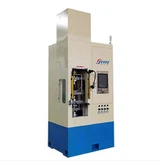
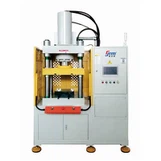
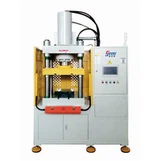
Hey there! As a supplier of small hydraulic presses, I've seen firsthand how these machines can be real workhorses in various industries. But like any piece of equipment, they need proper maintenance to keep running smoothly and efficiently. In this blog, I'm gonna share some tips on how to maintain a small hydraulic press, so you can get the most out of your investment.
Regular Inspections
One of the most important things you can do to maintain your small hydraulic press is to conduct regular inspections. This means checking the machine for any signs of wear and tear, leaks, or damage. You should also inspect the hydraulic fluid level and quality, as well as the condition of the hoses and fittings.
Start by visually inspecting the press for any obvious signs of damage. Look for cracks in the frame, loose bolts or nuts, and any other signs of wear and tear. Check the hydraulic cylinders for leaks, and make sure the pistons are moving smoothly. If you notice any issues, it's important to address them as soon as possible to prevent further damage.
Next, check the hydraulic fluid level. Most hydraulic presses have a sight glass or dipstick that you can use to check the fluid level. Make sure the fluid level is within the recommended range, and add more fluid if necessary. It's also important to check the quality of the fluid. Over time, hydraulic fluid can become contaminated with dirt, debris, and moisture, which can cause damage to the hydraulic system. If the fluid looks dirty or cloudy, it's time to change it.
Finally, inspect the hoses and fittings for any signs of wear or damage. Look for cracks, leaks, or bulges in the hoses, and make sure the fittings are tight. If you notice any issues with the hoses or fittings, it's important to replace them as soon as possible to prevent leaks and other problems.
Lubrication
Proper lubrication is essential for the smooth operation of your small hydraulic press. The moving parts of the machine, such as the pistons, cylinders, and bearings, need to be lubricated regularly to reduce friction and wear. Make sure to use the recommended lubricant for your machine, and follow the manufacturer's instructions for lubrication intervals.
When lubricating the press, be sure to apply the lubricant evenly to all the moving parts. Use a clean cloth or brush to remove any dirt or debris from the parts before applying the lubricant. This will help ensure that the lubricant is able to penetrate the parts and provide effective protection.
Hydraulic Fluid Maintenance
As I mentioned earlier, the hydraulic fluid is a critical component of the hydraulic press. It not only provides the power needed to operate the press, but it also helps to cool and lubricate the system. To keep your hydraulic press running smoothly, it's important to maintain the hydraulic fluid properly.
One of the most important things you can do to maintain the hydraulic fluid is to change it regularly. Over time, the fluid can become contaminated with dirt, debris, and moisture, which can cause damage to the hydraulic system. The frequency of fluid changes will depend on the type of press and the operating conditions, but as a general rule, you should change the fluid every 1,000 to 2,000 hours of operation.
In addition to changing the fluid, you should also filter it regularly to remove any contaminants. Most hydraulic presses have a built-in filter, but you may also want to consider using an external filter for added protection. Make sure to follow the manufacturer's instructions for filter replacement intervals.
Electrical System Maintenance
The electrical system of your small hydraulic press is another important component that needs to be maintained regularly. Check the electrical connections for any signs of corrosion or loose wires, and make sure the switches and controls are working properly. If you notice any issues with the electrical system, it's important to have it repaired by a qualified electrician.
It's also a good idea to keep the electrical components of the press clean and free of dust and debris. This will help prevent overheating and other problems. You can use a compressed air gun or a soft brush to clean the components.
Safety Checks
Safety is always a top priority when working with a hydraulic press. Make sure to conduct regular safety checks to ensure that the machine is operating safely. Check the safety guards and sensors to make sure they are in place and working properly. Make sure the emergency stop button is easily accessible and in good working condition.
It's also important to train your operators on the proper use and safety procedures for the hydraulic press. Make sure they understand how to operate the machine safely, and how to recognize and respond to any potential safety hazards.
Troubleshooting
Even with proper maintenance, problems can still occur with your small hydraulic press. When this happens, it's important to be able to troubleshoot the issue and make the necessary repairs. Here are some common problems you may encounter with a hydraulic press, and some tips on how to troubleshoot them:
- Low Pressure: If the press is not generating enough pressure, it could be due to a variety of factors, such as a leak in the hydraulic system, a clogged filter, or a problem with the pump. Check the hydraulic fluid level and quality, and inspect the hoses and fittings for leaks. If the filter is clogged, replace it. If the problem persists, it may be a problem with the pump, and you should have it inspected by a qualified technician.
- Slow Operation: If the press is operating slowly, it could be due to a low hydraulic fluid level, a clogged filter, or a problem with the pump. Check the hydraulic fluid level and quality, and inspect the hoses and fittings for leaks. If the filter is clogged, replace it. If the problem persists, it may be a problem with the pump, and you should have it inspected by a qualified technician.
- Noisy Operation: If the press is making a lot of noise, it could be due to a variety of factors, such as a loose or worn component, a problem with the hydraulic fluid, or a problem with the pump. Check the hydraulic fluid level and quality, and inspect the hoses and fittings for leaks. If the problem persists, it may be a problem with a loose or worn component, and you should have it inspected by a qualified technician.
Conclusion
Maintaining a small hydraulic press is essential for ensuring its long-term performance and reliability. By following the tips outlined in this blog, you can keep your press running smoothly and efficiently, and avoid costly repairs and downtime.
If you're in the market for a small hydraulic press, be sure to check out our 100 Ton Hydraulic Press, 20 Ton Floor Press, and 4 Post Hydraulic Press. We offer a wide range of high-quality hydraulic presses at competitive prices, and our team of experts is always available to help you find the right press for your needs.
If you have any questions or need more information about hydraulic press maintenance or our products, please don't hesitate to contact us. We'd love to hear from you and help you get the most out of your hydraulic press.


References
- Manufacturer's manuals for small hydraulic presses
- Industry standards and best practices for hydraulic press maintenance