Hey there! As a supplier of Hydraulic Line Presses, I've seen firsthand how important it is to operate these machines correctly. Not only does it ensure your safety, but it also extends the lifespan of the equipment and guarantees high - quality results. In this blog, I'll walk you through the steps of operating a hydraulic line press correctly.
Pre - operation Checks
Before you even think about turning on the hydraulic line press, there are a few crucial pre - operation checks you need to do.
First, inspect the machine for any visible damage. Look for cracks in the frame, leaks in the hydraulic hoses, or any loose parts. If you spot anything suspicious, don't try to operate the press. Instead, contact a professional technician to fix the issue. A damaged machine can not only lead to poor performance but also pose a serious safety risk.
Next, check the hydraulic fluid level. The hydraulic fluid is the lifeblood of the press, as it transfers power and lubricates the moving parts. Low fluid levels can cause the machine to overheat and may even damage the hydraulic pump. If the fluid level is low, add the recommended type of hydraulic fluid as specified in the machine's manual.
Also, make sure the work area is clean and free of debris. Any foreign objects in the work area can interfere with the operation of the press and may cause damage to the workpiece or the machine itself.

Setting Up the Workpiece
Once you've completed the pre - operation checks, it's time to set up the workpiece.
First, select the appropriate dies for your workpiece. The dies are the parts of the press that come into direct contact with the workpiece and shape it. Different workpieces require different dies, so make sure you choose the right ones. You can usually find a guide in the machine's manual that shows which dies are suitable for different types of workpieces.
Place the workpiece between the dies carefully. Make sure it is centered and aligned properly. An improperly placed workpiece can result in uneven pressing and may even cause the dies to break. Use clamps or other holding devices if necessary to keep the workpiece in place during the pressing process.
Operating the Hydraulic Line Press
Now that everything is set up, it's time to start operating the press.
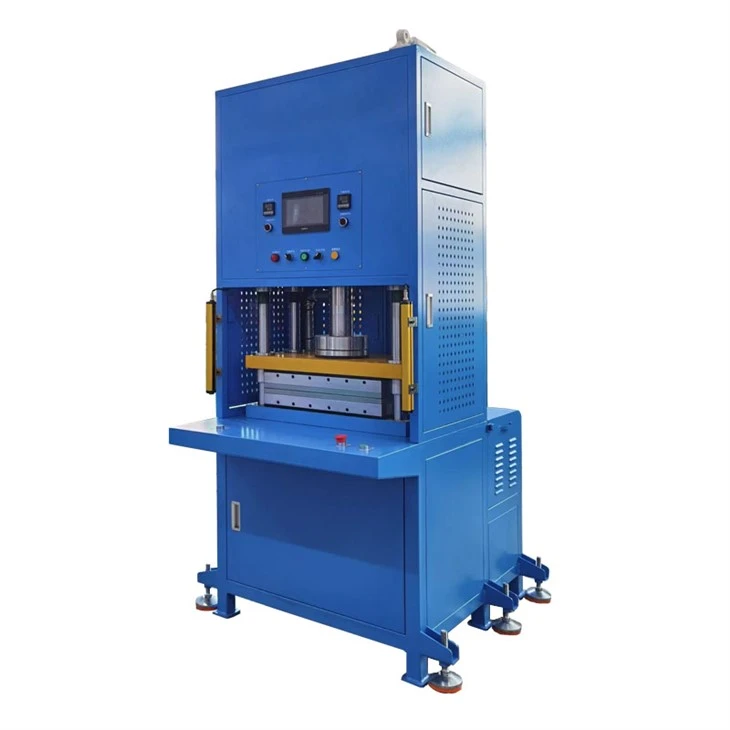
Before you start, familiarize yourself with the control panel. The control panel usually has buttons or levers for controlling the movement of the press, such as raising and lowering the ram (the part of the press that applies the force). Make sure you understand what each control does.
Slowly start the press by pressing the appropriate start button. As the press starts, monitor the movement of the ram. You can use the control panel to adjust the speed and force of the pressing operation. For most applications, it's best to start with a slow speed and gradually increase the force as needed.
Keep an eye on the pressure gauge. The pressure gauge shows the amount of force being applied by the press. Make sure the pressure does not exceed the maximum recommended pressure for the workpiece and the dies. Over - pressurizing can cause damage to the workpiece, the dies, or the press itself.
During the pressing process, listen for any unusual noises. Unusual noises can be a sign of a problem, such as a loose part or a hydraulic leak. If you hear any strange noises, stop the press immediately and investigate the issue.
Post - operation Procedures
After you've finished pressing the workpiece, there are a few post - operation procedures you need to follow.
First, lower the ram to its lowest position and turn off the press. This helps to prevent any accidental activation of the press.
Remove the workpiece from the dies carefully. Use appropriate tools if the workpiece is stuck. Be careful not to damage the dies or the workpiece during the removal process.
Clean the dies and the work area. Remove any debris or residue from the dies and the work surface. This helps to keep the machine in good condition and ensures that it will perform well in the next operation.
Finally, store the dies and other tools properly. Make sure they are kept in a dry and clean place to prevent rust and damage.
Safety Precautions
Operating a hydraulic line press can be dangerous if proper safety precautions are not taken.
Always wear appropriate personal protective equipment (PPE), such as safety glasses, gloves, and ear protection. Safety glasses protect your eyes from flying debris, gloves protect your hands from sharp edges and hot surfaces, and ear protection reduces the noise level.
Never reach into the press while it is in operation. Wait for the ram to stop moving completely before you make any adjustments or remove the workpiece.
Keep bystanders away from the work area. Only trained personnel should operate the hydraulic line press.
Our Hydraulic Press Products
As a supplier, we offer a wide range of hydraulic presses to meet different needs. For industrial applications, we have the Industrial Hydraulic Press Machine. This machine is designed for heavy - duty work and can handle large workpieces with high precision.
If you need a more portable option, our Portable Hydraulic Bushing Press is a great choice. It is easy to move around and can be used in different locations.
For those who need a press with a specific capacity, our 10 Ton Electric Hydraulic Press is a reliable option. It provides a consistent and powerful pressing force.
Contact Us for Purchase
If you're interested in purchasing a hydraulic line press or have any questions about operating our products, feel free to contact us. We have a team of experts who can provide you with detailed information and help you choose the right machine for your needs. Whether you're a small - scale workshop or a large industrial enterprise, we have the right solution for you.
References
- Manufacturer's manuals for hydraulic line presses
- Industry standards for hydraulic press operation
- Safety guidelines for industrial machinery operation