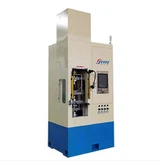
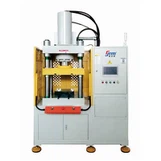
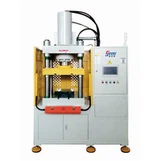
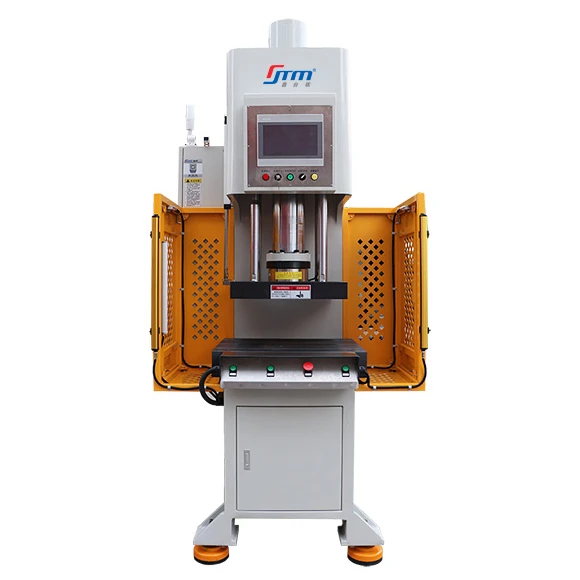
Operating a small hydraulic press correctly is crucial for ensuring both safety and optimal performance. As a supplier of small hydraulic presses, I understand the importance of providing clear guidance on this topic. In this blog, I'll share some essential steps and tips on how to operate a small hydraulic press correctly.
Pre - operation Checks
Before you start using a small hydraulic press, several pre - operation checks are necessary.
Inspect the Machine
First, visually inspect the entire hydraulic press. Look for any signs of damage such as cracks in the frame, leaks in the hydraulic hoses, or loose bolts. Check the C Frame Press (/hydraulic - press/c - frame - press.html) carefully, as its frame integrity is vital for stable operation. A damaged frame can lead to uneven pressure distribution and pose a safety risk.
Check the Hydraulic System
The hydraulic system is the heart of the press. Check the hydraulic fluid level in the reservoir. If it's low, top it up with the recommended fluid type. Also, inspect the hydraulic pump and valves for proper functioning. Any issues with the hydraulic system can result in inconsistent pressure or even machine failure.
Verify the Tooling
Ensure that the tooling attached to the press is appropriate for the job at hand. Check for any signs of wear or damage on the punches, dies, or other tooling components. Using worn - out tooling can lead to poor quality work and may also damage the press itself.
Safety Equipment
Make sure all safety equipment is in place and functioning correctly. This includes safety guards, emergency stop buttons, and pressure relief valves. The safety guards are designed to prevent operators from coming into contact with moving parts, while the emergency stop button allows for immediate shutdown in case of an emergency.
Setting Up the Hydraulic Press
Positioning
Place the hydraulic press on a stable and level surface. A Portable Hydraulic Bushing Press (/hydraulic - press/portable - hydraulic - bushing - press.html) should be firmly placed to prevent it from tipping over during operation. If the press is not level, it can cause uneven pressure distribution and affect the quality of the work.
Adjusting the Pressure
Determine the required pressure for your specific task. Refer to the machine's manual to set the pressure correctly. Most small hydraulic presses have a pressure gauge that allows you to monitor and adjust the pressure. For example, a 50 Ton Hydraulic Press (/hydraulic - press/50 - ton - hydraulic - press.html) has a maximum pressure capacity, and you need to set it according to the material and process requirements.
Tooling Installation
Install the appropriate tooling onto the press. Follow the manufacturer's instructions carefully to ensure proper alignment and attachment. Make sure the tooling is securely fastened to prevent it from coming loose during operation.
Operating the Hydraulic Press
Loading the Workpiece
Place the workpiece onto the press bed carefully. Ensure that it is centered and properly aligned with the tooling. Improperly loaded workpieces can cause uneven pressure and result in defective products.
Starting the Press
Once everything is set up correctly, start the press. Slowly increase the pressure to the desired level. Monitor the pressure gauge and the movement of the ram closely. Do not exceed the maximum pressure rating of the press or the tooling.
During Operation
Keep your hands and other body parts away from the moving parts of the press. Do not reach into the working area while the press is in operation. If you need to make any adjustments or remove the workpiece, stop the press first.
Monitoring the Process
Continuously monitor the operation of the press. Watch for any signs of abnormal noise, vibration, or pressure fluctuations. If you notice any issues, stop the press immediately and investigate the cause.
Post - operation Procedures
Releasing the Pressure
After completing the task, slowly release the pressure in the hydraulic system. This helps to prevent sudden movements and damage to the press and tooling.
Cleaning the Press
Clean the press and the tooling thoroughly. Remove any debris, chips, or hydraulic fluid spills. This not only keeps the press in good condition but also helps to prevent corrosion and other problems.
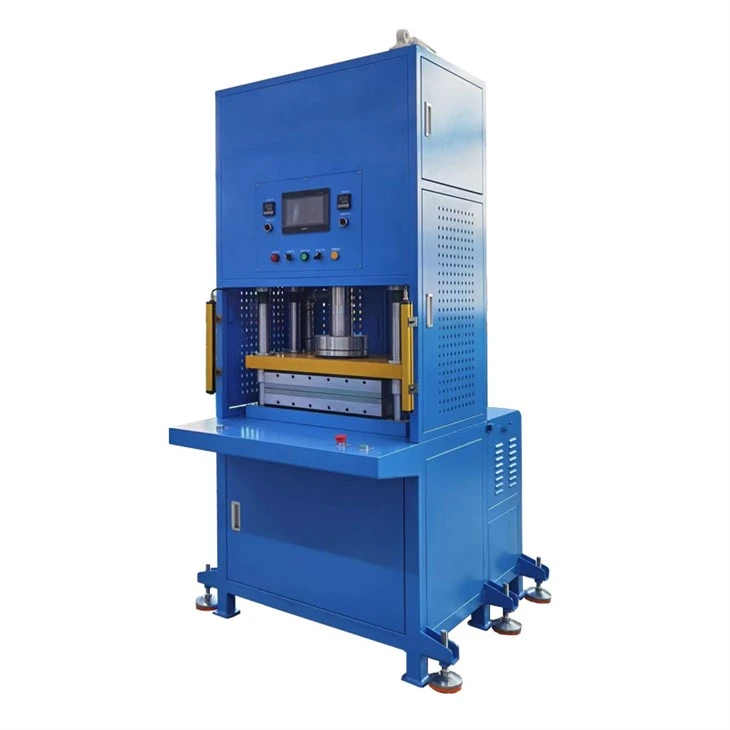
Storing the Tooling
Store the tooling in a safe and dry place. Proper storage helps to prevent damage and prolongs the lifespan of the tooling.
Maintenance
Regular maintenance is essential for the long - term performance of the hydraulic press. Follow the manufacturer's recommended maintenance schedule, which may include tasks such as changing the hydraulic fluid, lubricating moving parts, and inspecting the electrical system.
Safety Precautions
Operator Training
Ensure that all operators are properly trained before using the hydraulic press. Training should cover the correct operation procedures, safety precautions, and emergency response.
Personal Protective Equipment (PPE)
Operators should wear appropriate PPE, such as safety glasses, gloves, and hearing protection. Safety glasses protect the eyes from flying debris, while gloves provide protection from sharp edges and hot surfaces.
Lockout/Tagout Procedures
Implement lockout/tagout procedures when performing maintenance or repairs on the press. This ensures that the press is isolated from all energy sources, preventing accidental startup.
Troubleshooting Common Issues
Leaking Hydraulic Fluid
If you notice hydraulic fluid leaking from the press, first stop the machine. Check the hydraulic hoses, connections, and seals for damage. Tighten any loose connections or replace damaged hoses or seals.
Inconsistent Pressure
Inconsistent pressure can be caused by a variety of factors, such as a faulty pressure relief valve, a clogged filter, or a worn - out pump. Check these components and replace or repair them as necessary.
Abnormal Noise or Vibration
Abnormal noise or vibration may indicate a problem with the moving parts, such as loose bearings or misaligned components. Inspect the press carefully and make the necessary adjustments or repairs.
Conclusion
Operating a small hydraulic press correctly requires careful attention to detail, from pre - operation checks to post - operation maintenance. By following the steps and safety precautions outlined in this blog, you can ensure the safe and efficient operation of your hydraulic press. As a supplier of small hydraulic presses, I am committed to providing high - quality products and comprehensive support to our customers. If you have any questions about operating our small hydraulic presses or are interested in purchasing one, please feel free to contact us for further discussion and procurement negotiation.
References
- Manufacturer's manuals of small hydraulic presses
- Industry standards and guidelines for hydraulic press operation
- Safety regulations related to industrial machinery operation