Oil leakage in a hot hydraulic press can be a significant issue, leading to reduced efficiency, increased maintenance costs, and potential safety hazards. As a supplier of hot hydraulic presses, I understand the importance of preventing oil leakage to ensure the smooth operation of these machines. In this blog post, I will share some practical tips on how to prevent oil leakage in a hot hydraulic press.


Understanding the Causes of Oil Leakage
Before we delve into the prevention methods, it's essential to understand the common causes of oil leakage in hot hydraulic presses. Some of the primary reasons include:
- Worn Seals and Gaskets: Over time, the seals and gaskets in the hydraulic system can wear out due to constant pressure, temperature changes, and friction. This can lead to small gaps or cracks, allowing oil to escape.
- Loose Fittings and Connections: If the fittings and connections in the hydraulic system are not tightened properly, oil can seep out through the gaps. Vibration and movement during the operation of the press can also cause these fittings to loosen over time.
- High Pressure and Temperature: Hot hydraulic presses operate under high pressure and temperature conditions. These extreme conditions can put stress on the hydraulic components, causing them to expand and contract. This thermal cycling can lead to seal degradation and eventual oil leakage.
- Contaminated Oil: Contaminants such as dirt, debris, and metal particles in the hydraulic oil can cause abrasion and damage to the seals and other components. This can compromise the integrity of the sealing system and result in oil leakage.
Preventive Measures
Now that we understand the causes of oil leakage, let's explore some effective preventive measures that can help you keep your hot hydraulic press in top condition.
Regular Maintenance and Inspection
- Seal and Gasket Replacement: Establish a regular maintenance schedule to inspect and replace worn seals and gaskets. This proactive approach can prevent small leaks from turning into major problems. When replacing seals, make sure to use high-quality components that are compatible with the hydraulic fluid and operating conditions of your press.
- Tighten Fittings and Connections: Periodically check all the fittings and connections in the hydraulic system to ensure they are properly tightened. Use a torque wrench to apply the correct amount of torque, as over-tightening can also damage the components.
- Inspect Hydraulic Hoses: Examine the hydraulic hoses for signs of wear, cracking, or damage. Replace any hoses that show visible signs of deterioration. Additionally, make sure the hoses are properly routed and secured to prevent kinking or rubbing against other components.
Proper Fluid Management
- Use Clean and Compatible Oil: Always use high-quality hydraulic oil that is recommended by the manufacturer. Make sure the oil is clean and free from contaminants. Use a reliable filtration system to remove any dirt, debris, or metal particles from the oil. Regularly check the oil level and quality, and change the oil at the recommended intervals.
- Monitor Oil Temperature: Keep a close eye on the oil temperature during the operation of the press. Excessive heat can accelerate seal degradation and cause oil leakage. Install a temperature sensor and a cooling system to maintain the oil temperature within the recommended range.
Control System Optimization
- Pressure Regulation: Ensure that the hydraulic system is operating at the correct pressure. Over-pressurization can put excessive stress on the seals and other components, leading to oil leakage. Use a pressure relief valve to prevent the pressure from exceeding the safe limit.
- Proper Operation and Training: Provide proper training to the operators of the hot hydraulic press. Make sure they understand the correct operating procedures and safety guidelines. Improper operation, such as sudden starts or stops, can cause pressure spikes and increase the risk of oil leakage.
Upgrade and Modernize
- Seal Technology: Consider upgrading to advanced seal technologies that offer better resistance to high pressure, temperature, and chemical exposure. These seals can provide longer service life and improved sealing performance.
- Hydraulic System Design: If you are experiencing persistent oil leakage issues, it may be worth considering upgrading or modernizing your hydraulic system. A well-designed system with the latest components and technologies can reduce the risk of oil leakage and improve the overall efficiency of the press.
Recommended Products
As a supplier of hot hydraulic presses, I offer a range of high-quality products that are designed to minimize the risk of oil leakage. Some of our recommended products include:
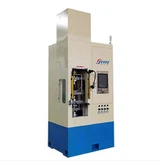
- Hydraulic Line Press: This press is specifically designed for hydraulic line applications, providing precise control and reliable performance.
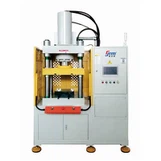
- Air Operated Hydraulic Press: Ideal for applications where a compact and lightweight press is required, this air-operated press offers excellent efficiency and durability.
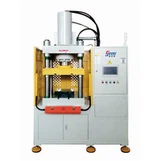
- 30 Ton Press: Our 30-ton press is a versatile and powerful machine that can handle a wide range of applications. It is built with high-quality components and advanced sealing technology to prevent oil leakage.
Conclusion
Preventing oil leakage in a hot hydraulic press is crucial for maintaining its performance, reliability, and safety. By following the preventive measures outlined in this blog post, you can minimize the risk of oil leakage and extend the service life of your press. If you have any questions or need further assistance, please feel free to contact us. We are always here to help you find the best solutions for your hydraulic press needs.
References
- "Hydraulic Systems and Components" by Norman M. Schaeffer
- "Maintenance and Troubleshooting of Hydraulic Systems" by Eugene F. Oberg