Hey there! As a supplier of Hydraulic Hose Press, I've seen firsthand the importance of preventing over - pressure in these machines. Over - pressure can lead to all sorts of problems, from minor leaks to major breakdowns, and it can even pose a safety risk. So, in this blog, I'm gonna share some tips on how to prevent over - pressure in a hydraulic hose press.


Understanding the Basics of Hydraulic Hose Presses
Before we dive into the prevention methods, let's quickly go over how a hydraulic hose press works. A hydraulic hose press uses hydraulic pressure to crimp or assemble hoses. The hydraulic system consists of a pump, valves, cylinders, and hoses. When the pump is activated, it sends hydraulic fluid under pressure through the system, which in turn moves the cylinders and performs the crimping or assembly operation.
The pressure in the hydraulic system is crucial. If it's too low, the crimping or assembly won't be effective. But if it's too high, that's when we run into trouble.
Causes of Over - Pressure
There are several reasons why over - pressure can occur in a hydraulic hose press. One common cause is a malfunctioning pressure relief valve. The pressure relief valve is designed to open and release excess pressure when it reaches a certain level. If this valve is stuck or damaged, it won't be able to do its job, and the pressure can build up to dangerous levels.
Another cause can be a blocked or restricted hydraulic line. When the flow of hydraulic fluid is restricted, the pressure upstream of the blockage will increase. This can happen if there's debris in the line or if a filter is clogged.
Incorrect pump settings can also lead to over - pressure. If the pump is set to deliver too much pressure, the system will be subjected to higher than normal forces.
Prevention Methods
Regular Maintenance
One of the most important things you can do to prevent over - pressure is to perform regular maintenance on your hydraulic hose press. This includes checking and replacing the pressure relief valve at regular intervals. Make sure it's functioning properly and that it's set to the correct pressure rating.
Inspect the hydraulic lines for any signs of blockage or damage. Look for kinks, leaks, or debris in the lines. Replace any damaged hoses or fittings immediately. Also, clean or replace the filters regularly to ensure proper fluid flow.
Proper Installation
Proper installation of the hydraulic hose press is crucial. Make sure all the components are installed correctly and that the system is properly aligned. Incorrect installation can cause uneven pressure distribution and lead to over - pressure in certain parts of the system.
Follow the manufacturer's instructions carefully when installing the pump, valves, and cylinders. Use the correct size and type of hoses and fittings to ensure proper fluid flow and pressure regulation.
Operator Training
Well - trained operators are essential for preventing over - pressure. Make sure your operators understand how the hydraulic hose press works, including the pressure settings and safety features. Train them to recognize the signs of over - pressure, such as unusual noises or vibrations, and to take appropriate action if they occur.
Operators should also be trained to follow the correct operating procedures. For example, they should start and stop the machine slowly to avoid sudden pressure spikes.
Monitoring and Control
Install pressure gauges in the hydraulic system to monitor the pressure levels. This will allow you to keep an eye on the pressure and detect any abnormal increases early. You can also use pressure sensors and controllers to automatically adjust the pump output and prevent over - pressure.
Some modern hydraulic hose presses come with advanced control systems that can monitor and adjust the pressure in real - time. These systems can provide valuable data and alerts, helping you to prevent over - pressure and ensure the safe and efficient operation of your machine.
Specific Products and Their Role in Prevention
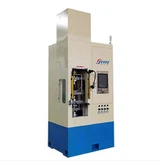
We offer a range of hydraulic hose presses, each designed to meet different needs and applications. For example, our 20 Ton Floor Press is a powerful and reliable machine. It's equipped with high - quality pressure relief valves and advanced control systems to prevent over - pressure.
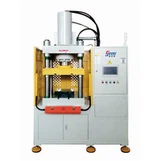
Our Stamping Presses are also designed with safety in mind. They have built - in pressure monitoring devices that can detect and prevent over - pressure situations.
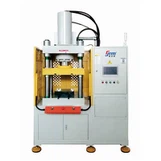
The 4 Post Hydraulic Press is another great option. It has a robust structure and precise pressure control, which helps to maintain stable pressure levels and prevent over - pressure.
Conclusion
Preventing over - pressure in a hydraulic hose press is essential for the safety and efficiency of your operation. By following the tips I've shared in this blog, such as regular maintenance, proper installation, operator training, and monitoring, you can significantly reduce the risk of over - pressure.
If you're in the market for a hydraulic hose press or need any advice on preventing over - pressure, don't hesitate to get in touch. We're here to help you find the right solution for your needs and ensure the long - term performance of your equipment.
References
- Hydraulic Systems Handbook
- Manufacturer's Manuals for Hydraulic Hose Presses