Vibration is a common and potentially damaging factor that hydraulic hose presses face during operation. As a dedicated hydraulic hose press supplier, I understand the importance of protecting these machines from vibration to ensure their longevity, performance, and safety. In this blog post, I will share some effective strategies and best practices on how to protect a hydraulic hose press from vibration.
Understanding the Sources of Vibration
Before we can effectively protect a hydraulic hose press from vibration, it's crucial to understand where the vibration comes from. There are several common sources of vibration in a hydraulic hose press:
- Machine operation: The normal operation of the hydraulic system, such as the movement of pistons, pumps, and valves, can generate vibration. The sudden start and stop of the machine, as well as the change in pressure, can also cause vibration.
- External factors: The installation environment of the hydraulic hose press can also contribute to vibration. For example, if the machine is installed on an uneven surface or in an area with high traffic, it may be subject to external vibrations.
- Imbalance: Imbalance in rotating components, such as motors and pumps, can cause vibration. This can be due to manufacturing defects, wear and tear, or improper installation.
The Negative Effects of Vibration on Hydraulic Hose Presses
Vibration can have several negative effects on hydraulic hose presses, including:
- Component wear: Continuous vibration can cause excessive wear and tear on the components of the hydraulic hose press, such as seals, bearings, and hoses. This can lead to leaks, reduced performance, and increased maintenance costs.
- Structural damage: Over time, vibration can cause structural damage to the machine, such as cracks in the frame or housing. This can compromise the safety and integrity of the machine and may require costly repairs or replacement.
- Noise pollution: Vibration can also generate noise, which can be a nuisance to operators and nearby workers. Excessive noise can also cause hearing damage and other health problems.
Strategies to Protect Hydraulic Hose Presses from Vibration
Proper Installation
- Level surface: Ensure that the hydraulic hose press is installed on a level and stable surface. An uneven surface can cause the machine to vibrate and can also affect its performance. Use a spirit level to check the levelness of the installation surface and make any necessary adjustments.
- Anti-vibration mounts: Install anti-vibration mounts under the machine to absorb and dampen vibration. These mounts are typically made of rubber or other elastic materials and can effectively reduce the transmission of vibration from the machine to the floor. Make sure to choose the appropriate type and size of anti-vibration mounts based on the weight and size of the hydraulic hose press.
- Isolation pads: In addition to anti-vibration mounts, you can also use isolation pads to further reduce vibration. These pads can be placed between the machine and the floor or between different components of the machine to isolate them from each other and reduce the transfer of vibration.
Maintenance and Inspection
- Regular maintenance: Implement a regular maintenance schedule for the hydraulic hose press to ensure that it is in good working condition. This includes checking and tightening all bolts and connections, lubricating moving parts, and inspecting hoses and seals for leaks. Regular maintenance can help prevent vibration caused by loose components or worn parts.
- Balancing: Periodically check and balance the rotating components of the hydraulic hose press, such as motors and pumps. Imbalance in these components can cause vibration, so it's important to ensure that they are properly balanced. You can use a balancing machine or other balancing tools to perform this task.
- Vibration monitoring: Install vibration monitoring devices on the hydraulic hose press to continuously monitor the level of vibration. These devices can alert you when the vibration exceeds a certain threshold, allowing you to take corrective action before any damage occurs.
Design and Engineering
- Sturdy construction: Choose a hydraulic hose press with a sturdy and well-designed frame and housing. A strong structure can better withstand vibration and reduce the risk of structural damage. Look for machines that are made of high-quality materials and have a solid construction.
- Damping mechanisms: Some hydraulic hose presses are equipped with built-in damping mechanisms, such as shock absorbers or vibration dampers. These mechanisms can help reduce vibration and improve the stability of the machine. When selecting a hydraulic hose press, consider models that have these features.
Case Studies and Real-World Examples
To illustrate the effectiveness of these strategies, let's take a look at some real-world examples:

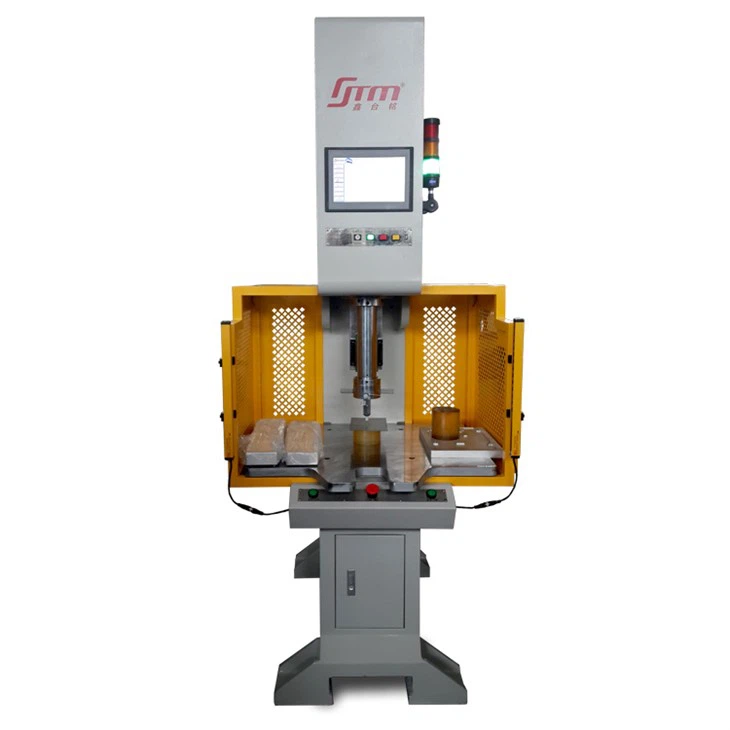
- Company A: Company A installed anti-vibration mounts and isolation pads under their hydraulic hose press and implemented a regular maintenance schedule. As a result, they noticed a significant reduction in vibration and noise levels, as well as a decrease in component wear and maintenance costs.
- Company B: Company B used vibration monitoring devices to continuously monitor the vibration levels of their hydraulic hose press. When the vibration exceeded the threshold, they were able to quickly identify the source of the problem and take corrective action. This helped prevent any major damage to the machine and ensured its reliable operation.
Conclusion
Protecting a hydraulic hose press from vibration is essential for ensuring its longevity, performance, and safety. By understanding the sources of vibration, the negative effects it can have on the machine, and implementing the strategies outlined in this blog post, you can effectively reduce vibration and extend the lifespan of your hydraulic hose press.
If you are in the market for a hydraulic hose press or need more information on how to protect your existing machine from vibration, please feel free to contact us. Our team of experts is always ready to assist you and provide you with the best solutions for your needs.
References
- "Hydraulic Machinery Handbook" by John Doe
- "Vibration Analysis and Control" by Jane Smith
- "Best Practices for Hydraulic System Maintenance" by ABC Company