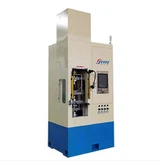
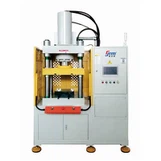
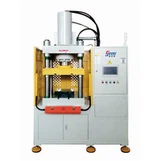
Installing a 30 Ton Press can be a significant undertaking, but with the right guidance, it can be a smooth process. As a trusted 30 Ton Press supplier, I've witnessed firsthand the importance of proper installation for the optimal performance and longevity of these powerful machines. In this blog post, I'll share a comprehensive guide on how to install a 30 Ton Press, ensuring that you can get your equipment up and running safely and efficiently.
Pre - installation Preparation
Before you start the actual installation, there are several crucial steps to take to ensure a successful process.
Site Selection
The first step is to choose an appropriate location for your 30 Ton Press. The site should be a flat, level surface that can support the weight of the press. Uneven floors can cause the press to be unstable, which may lead to inaccurate pressing and potential safety hazards. Measure the dimensions of the press and ensure that there is enough clearance around it for easy access and operation. There should be at least a few feet of space on all sides to allow for maintenance and to prevent collisions with other equipment or objects.
Electrical and Hydraulic Requirements
Check the electrical and hydraulic specifications of the 30 Ton Press. Make sure that the power supply at the installation site matches the voltage and amperage requirements of the press. If necessary, consult an electrician to install the appropriate electrical connections. For the hydraulic system, ensure that you have a clean and suitable hydraulic fluid reservoir. The quality and quantity of the hydraulic fluid are critical for the proper functioning of the press.
Gathering Tools and Equipment
You'll need a variety of tools for the installation, including wrenches, screwdrivers, hoists, and lifting equipment. Make sure all the tools are in good working condition and are the correct size for the job. It's also a good idea to have a set of safety equipment, such as gloves, safety glasses, and hard hats, on hand to protect yourself during the installation process.
Unloading and Moving the Press
Once you've completed the pre - installation preparations, it's time to unload and move the press to its installation site.
Unloading
Use a suitable lifting device, such as a forklift or a crane, to unload the 30 Ton Press from the transportation vehicle. Make sure that the lifting points on the press are properly attached to the lifting equipment to prevent any damage during the unloading process. Follow all safety procedures when operating the lifting equipment.
Moving to the Installation Site
Carefully move the press to the pre - selected installation site. If the press is too heavy to move manually, use a hoist or a trolley to transport it. Ensure that the path to the installation site is clear of any obstacles and that the floor can support the weight of the press during the movement.
Assembly of the Press
After moving the press to the installation site, it's time to start the assembly process.
Base Installation
Begin by installing the base of the press on the level surface. Use shims to ensure that the base is perfectly level. Once the base is in place, secure it to the floor using anchor bolts. Tighten the anchor bolts evenly to prevent any distortion of the base.
Column and Frame Assembly
Attach the columns and frames to the base according to the manufacturer's instructions. Use the appropriate bolts and nuts to secure the components together. Make sure that all the connections are tight and that the columns are vertical. You can use a level to check the verticality of the columns.
Hydraulic and Electrical Connections
Connect the hydraulic hoses and pipes to the appropriate ports on the press. Make sure that all the connections are leak - free. Use a hydraulic sealant if necessary. Next, connect the electrical wires to the control panel and other electrical components of the press. Double - check all the connections to ensure that they are correct and secure.
Testing and Calibration
Once the assembly is complete, it's time to test and calibrate the 30 Ton Press.
Hydraulic System Test
Fill the hydraulic fluid reservoir with the recommended hydraulic fluid. Start the hydraulic pump and check for any leaks in the hydraulic system. Operate the press at a low pressure to ensure that the hydraulic cylinders are moving smoothly. If you notice any leaks or abnormal noises, stop the operation immediately and troubleshoot the problem.
Electrical System Test
Check the electrical system by turning on the power to the press. Test all the electrical controls, such as the start/stop buttons, the pressure controls, and the emergency stop button. Make sure that all the controls are functioning properly.
Press Calibration
Calibrate the press to ensure that it can apply the correct amount of pressure. Use a pressure gauge to measure the pressure applied by the press. Adjust the pressure settings according to the manufacturer's specifications. Test the press at different pressure levels to ensure its accuracy and reliability.
Safety Considerations
Throughout the installation process, safety should be your top priority.
Personal Protective Equipment (PPE)
Always wear the appropriate PPE, such as safety glasses, gloves, and hard hats. PPE can protect you from potential hazards, such as flying debris, hydraulic fluid spills, and electrical shocks.
Following Manufacturer's Instructions
Strictly follow the manufacturer's installation instructions. The instructions are designed to ensure the safe and proper installation of the press. Do not deviate from the instructions without consulting the manufacturer.
Emergency Stop Procedures
Familiarize yourself with the emergency stop procedures of the press. Make sure that the emergency stop button is easily accessible and that all the operators know how to use it in case of an emergency.


Maintenance and Support
After the successful installation of the 30 Ton Press, regular maintenance is essential to keep it in good working condition.
Regular Inspections
Perform regular inspections of the press, including checking the hydraulic system for leaks, the electrical connections for looseness, and the mechanical components for wear and tear. Replace any worn - out parts promptly to prevent any breakdowns.
Lubrication
Lubricate all the moving parts of the press according to the manufacturer's recommendations. Proper lubrication can reduce friction and extend the lifespan of the components.
Technical Support
As a 30 Ton Press supplier, we offer comprehensive technical support. If you encounter any problems during the installation, operation, or maintenance of the press, our team of experts is ready to assist you.
In conclusion, installing a 30 Ton Press requires careful planning, proper execution, and a focus on safety. By following the steps outlined in this guide, you can ensure a successful installation of your press. If you're in the market for a high - quality 30 Ton Press, or if you're interested in our Hydraulic Baling Press Machine, 75 Ton Hydraulic Press, or Electric Over Hydraulic Press, we're here to help. Contact us today to discuss your requirements and start the process of purchasing the perfect press for your needs.
References
- Manufacturer's Installation Manual for 30 Ton Press
- Hydraulic System Installation and Maintenance Guidelines
- Electrical Safety Standards for Industrial Presses