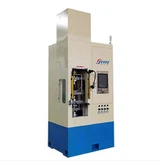
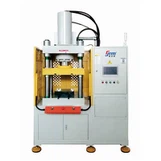
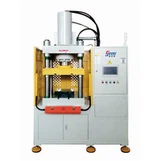
Hey there! As a supplier of hydraulic line presses, I've seen firsthand how energy consumption can be a real pain point for many businesses. High energy bills not only eat into your profits but also have a negative impact on the environment. So, in this blog post, I'm going to share some practical tips on how to reduce the energy consumption of a hydraulic line press.
1. Optimize the System Design
The first step in reducing energy consumption is to ensure that your hydraulic line press has an optimized system design. This means choosing the right components and sizing them correctly. For example, using a variable displacement pump instead of a fixed displacement pump can significantly reduce energy consumption. A variable displacement pump adjusts the flow rate according to the load, so it doesn't waste energy by pumping more fluid than necessary.
Another important aspect of system design is the piping layout. Make sure the pipes are as short and straight as possible to minimize pressure losses. Also, use the appropriate pipe diameter to ensure smooth fluid flow. A well-designed piping system can reduce the energy required to pump the hydraulic fluid.
2. Regular Maintenance
Regular maintenance is crucial for keeping your hydraulic line press running efficiently. Over time, components can wear out, seals can leak, and filters can become clogged, all of which can increase energy consumption. By performing regular maintenance tasks such as changing filters, checking fluid levels, and inspecting seals, you can prevent these issues from occurring.
For example, a clogged filter can restrict the flow of hydraulic fluid, forcing the pump to work harder and consume more energy. By changing the filter at the recommended intervals, you can ensure that the fluid flows freely and the pump operates at its optimal efficiency.


3. Use Energy-Efficient Components
When it comes to reducing energy consumption, using energy-efficient components is a no-brainer. There are many energy-efficient options available on the market today, such as high-efficiency motors, pumps, and valves. These components are designed to use less energy while still providing the same level of performance.
For instance, an energy-efficient motor can reduce energy consumption by up to 30% compared to a standard motor. Similarly, a high-efficiency pump can operate more efficiently, reducing the amount of energy required to pump the hydraulic fluid.
4. Implement Load-Sensing Technology
Load-sensing technology is a great way to reduce energy consumption in a hydraulic line press. This technology allows the system to adjust the flow and pressure of the hydraulic fluid according to the load requirements. When the press is not under load, the system can reduce the flow and pressure, saving energy.
For example, if you're using a 4 Post Hydraulic Press to perform a task that requires a certain amount of force, the load-sensing system will adjust the hydraulic fluid flow and pressure to provide just enough power to complete the task. This way, you're not wasting energy by using more power than necessary.
5. Control the Operating Temperature
The operating temperature of a hydraulic line press can have a significant impact on its energy consumption. If the temperature is too high, the viscosity of the hydraulic fluid decreases, which can lead to increased leakage and energy losses. On the other hand, if the temperature is too low, the fluid becomes more viscous, making it harder for the pump to circulate the fluid.
To control the operating temperature, you can use a cooling system such as a radiator or a chiller. These systems can help maintain the fluid temperature within the optimal range, ensuring efficient operation and reducing energy consumption.
6. Train Your Operators
Your operators play a crucial role in reducing energy consumption. By training them on how to operate the hydraulic line press efficiently, you can ensure that they're using the equipment in the most energy-efficient way possible.
For example, teach them to avoid unnecessary idling, to use the correct pressure and flow settings for each task, and to shut down the press when it's not in use. By following these simple guidelines, your operators can help reduce energy consumption and save you money.
7. Consider Upgrading Your Equipment
If your hydraulic line press is old and inefficient, it may be worth considering upgrading to a newer, more energy-efficient model. Newer models often come with advanced features such as variable displacement pumps, load-sensing technology, and energy-efficient motors, which can significantly reduce energy consumption.
For instance, a Small Benchtop Hydraulic Press or a 20 Ton Floor Press with the latest energy-saving features can provide the same level of performance as an older model while using less energy.
In conclusion, reducing the energy consumption of a hydraulic line press is not only good for the environment but also for your bottom line. By following these tips, you can optimize the system design, perform regular maintenance, use energy-efficient components, implement load-sensing technology, control the operating temperature, train your operators, and consider upgrading your equipment. If you're interested in learning more about our hydraulic line presses or have any questions about reducing energy consumption, feel free to get in touch with us. We'd be happy to help you find the right solution for your needs.
References
- "Hydraulic Systems: Energy Efficiency and Savings." Hydraulics & Pneumatics.
- "Optimizing Hydraulic System Efficiency." Fluid Power Journal.