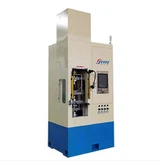
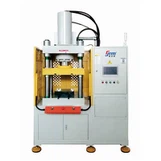
Transferring data from a hydraulic hose press is a crucial process in modern manufacturing and industrial settings. As a supplier of hydraulic hose presses, I understand the importance of efficient data transfer for optimizing operations, ensuring quality control, and enhancing overall productivity. In this blog post, I will share some insights and best practices on how to transfer data from a hydraulic hose press effectively.
Understanding the Data Generated by a Hydraulic Hose Press
Before delving into the data transfer methods, it's essential to understand the types of data generated by a hydraulic hose press. These machines typically produce a wide range of data, including:


- Process Parameters: This includes information such as pressure, temperature, cycle time, and force applied during the hose pressing operation. Monitoring these parameters is crucial for ensuring the quality and consistency of the hoses produced.
- Production Data: Data related to the number of hoses produced, production rates, and downtime can provide valuable insights into the efficiency of the manufacturing process.
- Quality Control Data: Information about the quality of the hoses, such as leak test results, dimensional accuracy, and material properties, is essential for maintaining high-quality standards.
Importance of Data Transfer
Efficient data transfer from a hydraulic hose press offers several benefits, including:
- Real-time Monitoring: By transferring data in real-time, operators can monitor the performance of the press and make immediate adjustments if necessary. This helps to prevent production issues and ensure consistent quality.
- Quality Control: Access to historical data allows for in-depth analysis of production trends and quality control metrics. This enables manufacturers to identify areas for improvement and implement corrective actions.
- Predictive Maintenance: Analyzing data can help predict when maintenance is required, reducing downtime and extending the lifespan of the hydraulic hose press.
- Compliance and Traceability: Data transfer ensures that manufacturers can meet regulatory requirements and provide traceability for their products.
Methods of Data Transfer
There are several methods available for transferring data from a hydraulic hose press, each with its own advantages and limitations. Here are some common methods:
1. Wired Connections
- Ethernet: Ethernet is a widely used method for connecting industrial devices, including hydraulic hose presses, to a local area network (LAN). It offers high-speed data transfer and reliable communication. By connecting the press to a LAN, data can be easily transferred to a central server or a data analytics platform.
- Serial Communication: Serial communication protocols, such as RS-232 or RS-485, are commonly used for connecting devices that require a simple and reliable data transfer method. These protocols are suitable for transferring small amounts of data over short distances.
2. Wireless Connections
- Wi-Fi: Wi-Fi is a convenient option for wireless data transfer, allowing the hydraulic hose press to connect to a local network without the need for physical cables. However, it may be subject to interference and security risks, so proper security measures should be implemented.
- Bluetooth: Bluetooth is another wireless option that can be used for short-range data transfer. It is commonly used for connecting mobile devices, such as smartphones or tablets, to the hydraulic hose press for monitoring and control purposes.
3. Cloud-based Solutions
- Cloud Storage: Cloud-based storage solutions offer a scalable and cost-effective way to store and manage data from the hydraulic hose press. By uploading data to the cloud, manufacturers can access it from anywhere with an internet connection and perform advanced analytics using cloud-based tools.
- Industrial Internet of Things (IIoT) Platforms: IIoT platforms provide a comprehensive solution for connecting, monitoring, and analyzing data from multiple industrial devices, including hydraulic hose presses. These platforms offer real-time data visualization, predictive analytics, and remote control capabilities.
Considerations for Data Transfer
When implementing a data transfer solution for a hydraulic hose press, the following considerations should be taken into account:
- Data Security: Protecting the confidentiality, integrity, and availability of data is crucial. Implementing security measures such as encryption, access control, and firewalls can help prevent data breaches.
- Compatibility: Ensure that the data transfer method is compatible with the hydraulic hose press and the existing IT infrastructure. This may require the use of adapters or middleware to bridge the gap between different systems.
- Data Volume and Frequency: Consider the amount of data generated by the hydraulic hose press and the frequency at which it needs to be transferred. This will help determine the appropriate data transfer method and bandwidth requirements.
- Scalability: Choose a data transfer solution that can scale with the growth of the business. This may involve adding more devices, increasing data storage capacity, or upgrading the network infrastructure.
Examples of Data Transfer in Action
Let's take a look at some real-world examples of how data transfer from a hydraulic hose press can be beneficial:
- A manufacturing company uses an Ethernet connection to transfer real-time data from its hydraulic hose presses to a central server. The data is then analyzed using a data analytics platform to monitor production performance, identify quality issues, and optimize the manufacturing process.
- A maintenance team uses a Bluetooth connection to connect a mobile device to a hydraulic hose press for on-site monitoring and troubleshooting. They can access historical data and diagnostic information to quickly identify and resolve issues.
- A large-scale manufacturer implements an IIoT platform to connect all of its hydraulic hose presses across multiple locations. The platform provides real-time data visualization, predictive maintenance alerts, and remote control capabilities, enabling the company to improve efficiency and reduce downtime.
Conclusion
Transferring data from a hydraulic hose press is an essential part of modern manufacturing operations. By understanding the types of data generated, the importance of data transfer, and the available methods, manufacturers can implement an effective data transfer solution that meets their specific needs. Whether it's through wired connections, wireless technologies, or cloud-based platforms, the goal is to ensure that data is transferred securely, efficiently, and in a timely manner.
If you are interested in learning more about our hydraulic hose presses or need assistance with data transfer solutions, please feel free to contact us for a consultation. We are committed to providing high-quality products and services to help you optimize your manufacturing processes.
References
- Groover, M. P. (2010). Fundamentals of Modern Manufacturing: Materials, Processes, and Systems. John Wiley & Sons.
- Pahl, G., Beitz, W., Feldhusen, J., & Grote, K.-H. (2007). Engineering Design: A Systematic Approach. Springer.
- Rao, S. S. (2004). Mechanical Vibrations. Pearson Education.