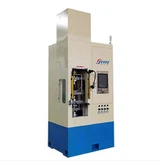
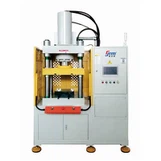
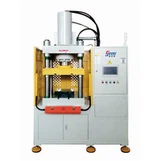
The operating temperature range of a precision hydraulic press is a critical factor that significantly influences its performance, longevity, and overall efficiency. As a leading supplier of precision hydraulic presses, we understand the importance of providing clear and accurate information about this aspect to our customers. In this blog post, we will delve into the details of the operating temperature range of precision hydraulic presses, exploring its significance, factors affecting it, and how to ensure optimal performance within this range.
Significance of Operating Temperature Range
The operating temperature range of a precision hydraulic press is the span of temperatures within which the press can function safely and effectively. This range is determined by the design and materials of the press components, as well as the properties of the hydraulic fluid used. Operating the press outside of this range can lead to a variety of issues, including reduced performance, increased wear and tear, and even damage to the equipment.
Within the optimal temperature range, the hydraulic fluid maintains its viscosity, which is crucial for proper lubrication and efficient power transmission. If the temperature is too low, the fluid becomes thicker, increasing the resistance to flow and putting additional strain on the pump and other components. This can result in slower operation, reduced force output, and increased energy consumption. On the other hand, if the temperature is too high, the fluid becomes thinner, leading to leaks, reduced lubrication, and accelerated wear of seals and other moving parts.
Factors Affecting the Operating Temperature Range
Several factors can affect the operating temperature range of a precision hydraulic press. These include:
- Ambient Temperature: The temperature of the surrounding environment plays a significant role in the operating temperature of the press. In hot climates, the press may be exposed to high ambient temperatures, which can cause the hydraulic fluid to heat up more quickly. Conversely, in cold climates, the press may need to be pre - heated to ensure proper operation.
- Workload: The intensity and duration of the press's workload can also impact its operating temperature. Heavy - duty applications that require high force and continuous operation will generate more heat than lighter - duty tasks. For example, a press used for continuous metal forming operations will likely operate at a higher temperature than one used for occasional light assembly work.
- Hydraulic Fluid Type: Different types of hydraulic fluids have different temperature - viscosity characteristics. Synthetic fluids, for instance, generally have a wider operating temperature range and better thermal stability than mineral - based fluids. Choosing the right hydraulic fluid for the specific application and operating conditions is essential for maintaining optimal performance.
- Cooling System: The effectiveness of the press's cooling system is another important factor. A well - designed cooling system can help dissipate heat generated during operation, keeping the hydraulic fluid within the desired temperature range. Cooling systems can include air - cooled radiators, water - cooled heat exchangers, or a combination of both.
Typical Operating Temperature Ranges
The typical operating temperature range for most precision hydraulic presses is between 15°C (59°F) and 60°C (140°F). However, this can vary depending on the specific model and application. Some high - performance presses may be designed to operate within a narrower temperature range, while others may be able to tolerate slightly higher or lower temperatures.
It's important to note that even within the recommended temperature range, the press should not be operated at the extreme ends for extended periods. For example, running the press at 60°C continuously can still cause accelerated wear and reduce the lifespan of the components.
Ensuring Optimal Performance within the Temperature Range
To ensure that your precision hydraulic press operates within the optimal temperature range, consider the following tips:
- Monitor Temperature: Install temperature sensors on the hydraulic fluid reservoir and other critical components to monitor the operating temperature. This will allow you to detect any abnormal temperature increases early and take appropriate action.
- Choose the Right Hydraulic Fluid: Select a hydraulic fluid with a suitable viscosity - temperature curve for your operating conditions. Consult the press manufacturer's recommendations or a hydraulic fluid expert for guidance.
- Maintain the Cooling System: Regularly inspect and maintain the press's cooling system. Clean the radiators or heat exchangers, check the coolant levels, and ensure that the fans or pumps are functioning properly.
- Manage the Workload: Avoid overloading the press or running it continuously for long periods without breaks. If possible, schedule heavy - duty operations during cooler parts of the day or use cooling equipment to reduce the heat generated.
Our Product Range and Temperature Considerations
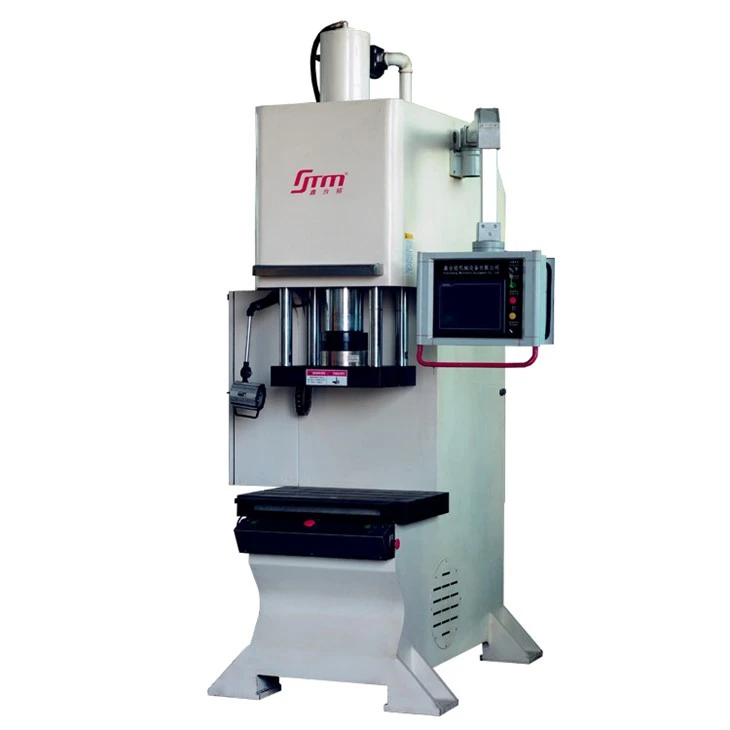
As a supplier of precision hydraulic presses, we offer a wide range of products to meet different customer needs. Our 20 Ton H Frame Press is a versatile and robust machine suitable for various applications. It is designed to operate within a specific temperature range, and we provide detailed guidelines on how to ensure optimal performance in different environmental conditions.
Our Small Hydraulic Press is ideal for light - duty tasks and small - scale operations. Despite its compact size, it is engineered to maintain stable performance within the recommended temperature range.
For those looking for a more space - saving option, our 20 Ton Benchtop Press is a great choice. It is designed with efficient cooling mechanisms to handle the heat generated during operation, ensuring reliable performance even in demanding environments.

Contact Us for Your Hydraulic Press Needs
If you are in the market for a precision hydraulic press or have any questions about operating temperature ranges and other technical aspects, we encourage you to contact us. Our team of experts is ready to assist you in selecting the right press for your application, providing guidance on maintenance and operation, and ensuring that you get the best performance from your equipment. Whether you are a small business or a large industrial enterprise, we have the solutions to meet your needs.
References
- Fluid Power Handbook, edited by the National Fluid Power Association.
- Hydraulic System Design and Maintenance Guide, published by a leading hydraulic equipment manufacturer.