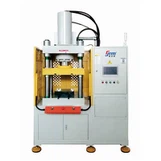
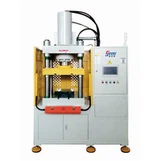
Transporting a small hydraulic press requires careful planning and execution to ensure the safety of the equipment and those involved in the process. As a supplier of small hydraulic presses, I've had extensive experience in this area. In this blog, I'll share some essential steps and considerations for transporting these valuable machines.
Pre - transport Preparation
Inspection of the Hydraulic Press
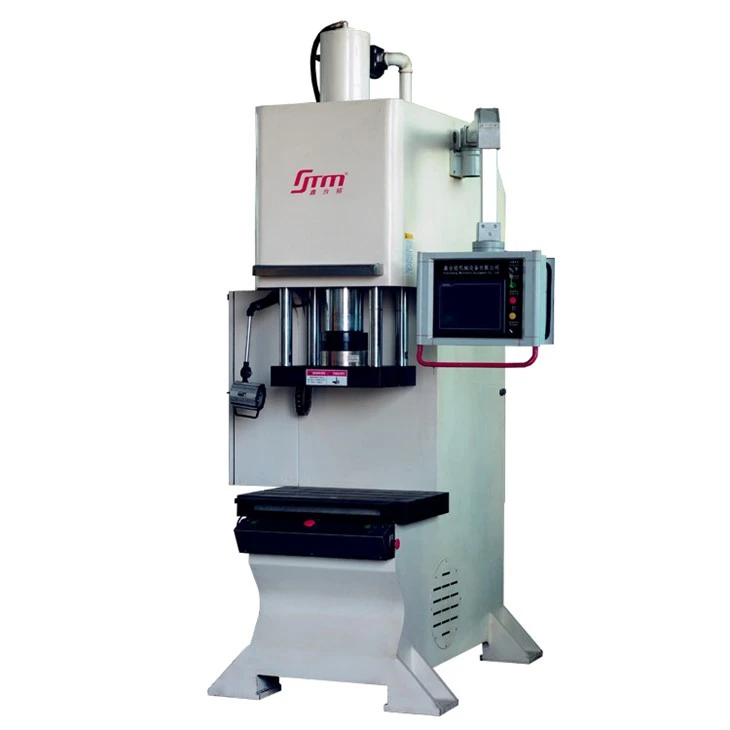
Before any transportation, a thorough inspection of the small hydraulic press is crucial. Check for any loose parts, leaks in the hydraulic system, or signs of damage. Tighten all bolts and fasteners to prevent them from coming loose during transit. Inspect the hydraulic hoses for any cuts or abrasions, and replace them if necessary. This step not only ensures the safe arrival of the press but also helps in identifying any pre - existing issues that might be exacerbated during transportation.

Drainage of Fluids
The hydraulic fluid in the press should be drained to a safe level. This reduces the risk of spills during transit, which can not only be messy but also cause environmental damage. Additionally, it lightens the overall weight of the press, making it easier to handle. Make sure to collect the drained fluid in a proper container and label it correctly for future use or disposal.
Disassembly (if required)
Some small hydraulic presses may need partial disassembly for easier transportation. Remove any detachable components such as the control panels, pressure gauges, or additional tooling. Keep these parts in a separate, labeled container. This not only reduces the size and weight of the main unit but also protects these delicate components from damage. However, make sure to document the disassembly process carefully so that reassembly is straightforward at the destination.
Choosing the Right Transportation Method
Road Transport
Road transport is a common choice for transporting small hydraulic presses. It offers flexibility in terms of pick - up and delivery locations. When using a truck for transportation, ensure that the vehicle is in good condition and has a suitable loading capacity. The press should be secured firmly on the truck bed to prevent shifting during transit. Straps, chains, or other appropriate securing devices should be used. You can refer to our Electric Hydraulic Press page to understand the specifications and weight of our different models, which will help in choosing the right truck.
Freight Forwarders
If you're shipping the hydraulic press over a long distance or internationally, a freight forwarder can be a great option. They have the expertise in handling customs clearance, shipping regulations, and choosing the most efficient shipping routes. They can also arrange for the appropriate packaging and loading of the press. However, it's important to choose a reputable freight forwarder with experience in transporting industrial equipment.
Packaging
Custom - made Crates
For maximum protection, custom - made wooden crates are often used to package small hydraulic presses. The crate should be designed to fit the press snugly, with padding material such as foam or bubble wrap to absorb shocks during transit. The crate should also be sturdy enough to withstand the rigors of transportation, including stacking and handling.
Protective Wrapping
In addition to the crate, the press itself should be wrapped in a protective material. A plastic or rubberized wrap can protect the surface of the press from scratches and moisture. This is especially important for the painted or finished parts of the press.
Loading and Unloading
Professional Loading
Loading the small hydraulic press onto the transportation vehicle should be done by professionals. They have the necessary equipment such as forklifts or cranes to lift the press safely. The loading process should be carried out slowly and carefully to avoid any sudden movements that could damage the press.
Unloading at the Destination
At the destination, the unloading process should be just as careful. Make sure that the receiving area is clear and level. The press should be unloaded using the same or similar equipment as used for loading. Once unloaded, it should be placed on a stable surface before any further handling or assembly.
Reassembly and Testing
Reassembly
After the press has been safely transported and unloaded, it's time for reassembly. Refer to the documentation from the disassembly process to put all the components back in place. Make sure to connect all the hydraulic hoses correctly and tighten all the bolts and fasteners to the appropriate torque.
Testing
Once reassembled, the hydraulic press should be thoroughly tested. Check the hydraulic system for leaks, and test the operation of the press at different pressure levels. This ensures that the press is in proper working condition before it is put into use.
Considerations for Different Types of Small Hydraulic Presses
20 Ton H Frame Press
Our 20 Ton H Frame Press has its own unique transportation requirements. Due to its relatively compact size and specific frame design, it can be more easily transported compared to larger presses. However, the frame should be protected during transit to prevent any deformation. Special attention should be paid to the alignment of the frame components during reassembly.
50 Ton Hydraulic Press
The 50 Ton Hydraulic Press is heavier and larger than the 20 - ton model. It may require more heavy - duty transportation equipment and a larger crate for packaging. The hydraulic system of this press is also more complex, so extra care should be taken during disassembly, transportation, and reassembly to ensure its proper functioning.
Conclusion
Transporting a small hydraulic press is a multi - step process that requires attention to detail at every stage. From pre - transport preparation to post - transportation testing, each step plays a crucial role in ensuring the safe and successful delivery of the press. As a supplier, we are committed to providing you with the best - quality small hydraulic presses and guiding you through the transportation process.
If you're interested in purchasing a small hydraulic press or need more information about our products and transportation services, please feel free to contact us for further discussion. We look forward to working with you to meet your industrial needs.
References
- "Industrial Equipment Transportation Guide", published by an industry - leading logistics magazine.
- Manufacturer's manuals for our small hydraulic presses, which contain detailed information about disassembly, assembly, and transportation guidelines.