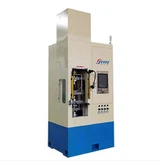
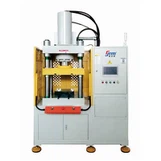
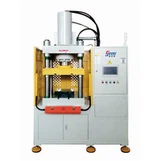
Hey there! As a supplier of Fast Hydraulic Presses, I've seen my fair share of common problems that can pop up with these machines. In this blog, I'm gonna walk you through how to troubleshoot some of the most frequent issues you might encounter. Let's dive right in!
1. Low Pressure Issues
One of the most common problems with fast hydraulic presses is low pressure. If you notice that your press isn't applying the right amount of force, it could be due to a few things.
First off, check the hydraulic fluid level. Low fluid levels can cause a drop in pressure. You can easily access the fluid reservoir and use the dipstick to check the level. If it's low, add the recommended hydraulic fluid. Make sure you're using the right type of fluid as specified in the machine's manual.
Another culprit could be a clogged filter. Over time, dirt and debris can build up in the filter, restricting the flow of hydraulic fluid. A restricted flow means less pressure. Locate the filter (usually near the pump) and replace it if it looks dirty or clogged. You can find replacement filters at most industrial supply stores or order them directly from us.
The pump itself might also be the problem. If the pump is worn out or damaged, it won't be able to generate the necessary pressure. Listen for any strange noises coming from the pump. A whining or grinding sound could indicate a problem. If you suspect the pump is faulty, it's best to have a professional technician take a look. We can also provide you with replacement pumps if needed. You can find more details about our pumps and other components on our Stamping Presses page.
2. Leaking Hydraulic Fluid
Leaking hydraulic fluid is another common issue. Not only is it messy, but it can also lead to reduced performance and even damage to the machine if left untreated.
Start by visually inspecting the hydraulic hoses and connections. Look for any signs of fluid dripping or pooling around the hoses. Tighten any loose connections using a wrench. Be careful not to overtighten, as this can damage the fittings.
If you find a leak in a hose, it's usually best to replace it. Hoses can wear out over time due to pressure and movement. You can measure the length and diameter of the old hose and order a replacement from us or a local supplier. Make sure to follow the proper installation procedures to prevent future leaks.
Sometimes, the seals in the hydraulic cylinders can also leak. These seals are responsible for keeping the fluid inside the cylinder. If you notice fluid leaking from the cylinder, it might be a sign that the seals need to be replaced. Replacing the seals can be a bit more complicated, so it's recommended to have a professional do it. We can provide you with the necessary seals and offer guidance on the replacement process. Check out our Stamping Presses page for more information on our replacement parts.
3. Overheating
Overheating can be a serious problem for fast hydraulic presses. It can cause damage to the hydraulic fluid, seals, and other components.
The first thing to check is the cooling system. Most hydraulic presses have a cooling system to keep the fluid at the right temperature. Make sure the cooling fans are working properly and that there are no blockages in the cooling fins. Clean any dust or debris that might be blocking the airflow.
The hydraulic fluid itself can also play a role in overheating. If the fluid is old or contaminated, it won't be able to dissipate heat effectively. Check the fluid's color and consistency. If it looks dark or has a burnt smell, it's time to change the fluid. Follow the manufacturer's recommendations for the type and frequency of fluid changes. You can find high-quality hydraulic fluid from us or other reputable suppliers.
Another factor to consider is the workload. If the press is being used continuously at a high capacity, it can generate more heat than the cooling system can handle. Try to give the press some breaks between jobs to allow it to cool down. You can also adjust the operating parameters to reduce the workload if possible. Our 100 Ton Hydraulic Press page has more information on how to optimize the performance of your press.
4. Erratic Movement
If your fast hydraulic press is moving erratically, it can be a frustrating and dangerous problem. There are a few things that could be causing this.
The control valves are a likely suspect. These valves regulate the flow of hydraulic fluid and control the movement of the press. If a valve is stuck or malfunctioning, it can cause the press to move in an unpredictable manner. Check the valves for any signs of damage or debris. You can try cleaning the valves using a specialized cleaner. If cleaning doesn't work, you might need to replace the valve. We can provide you with replacement control valves and offer support on installation.

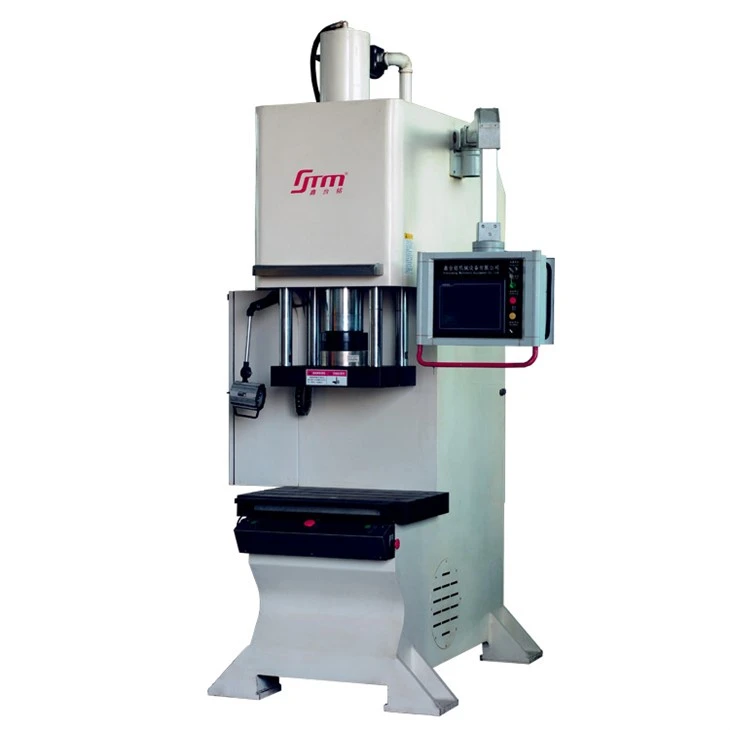
The electrical system can also contribute to erratic movement. Check the wiring and connections for any loose or damaged wires. A loose connection can cause intermittent power to the control system, leading to erratic behavior. Make sure all the electrical components are properly grounded. If you're not familiar with electrical systems, it's best to have a professional electrician inspect and repair the system.
The hydraulic cylinders themselves might also be the problem. If the cylinders are worn out or damaged, they can cause uneven movement. Look for any signs of scoring or damage on the cylinder rods. If you suspect a problem with the cylinders, it's best to have them inspected by a technician. We can provide you with replacement cylinders and assist with the installation process.
5. Noise and Vibration
Excessive noise and vibration can be a sign of a problem with your fast hydraulic press. It can also be a nuisance for operators and indicate potential damage to the machine.
Start by checking the mounting of the press. Make sure it's properly secured to the floor or workbench. Loose mounting can cause the press to vibrate and make noise. Tighten any bolts or fasteners that might be loose.
The hydraulic system can also be a source of noise. As mentioned earlier, a worn-out pump or clogged filter can cause noise. Check these components and replace them if necessary. You can also try adding a noise-dampening material to the hydraulic hoses to reduce vibration and noise.
The mechanical components of the press, such as the gears and bearings, can also make noise if they're worn out or damaged. Listen for any grinding or clicking sounds coming from these components. If you suspect a problem, have a technician inspect and replace the worn parts. We can provide you with high-quality replacement gears, bearings, and other mechanical components.
Conclusion
Troubleshooting common problems in a fast hydraulic press can seem daunting, but with a little knowledge and some basic tools, you can often identify and fix the issues yourself. Remember to always follow the manufacturer's instructions and safety guidelines when working on the press.
If you're still having trouble or need further assistance, don't hesitate to reach out to us. We're here to support you as your trusted Fast Hydraulic Press supplier. Whether you need replacement parts, technical advice, or want to discuss a new purchase, we're just a message away. Contact us today to start a conversation about how we can help you keep your press running smoothly and efficiently.
References
- Manufacturer's manuals for fast hydraulic presses
- Industry standards and best practices for hydraulic system maintenance
- Technical resources from hydraulic component manufacturers