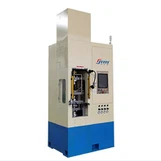
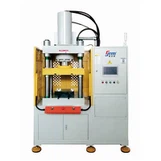
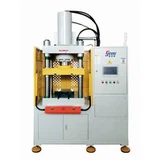
A 20 Ton Benchtop Press is a versatile and powerful tool widely used in various industries, from manufacturing to prototyping. However, like any mechanical equipment, it may encounter several common problems during operation. As a reliable 20 Ton Benchtop Press supplier, I am here to share some practical troubleshooting tips to help you address these issues effectively.
Pressure - Related Problems
Insufficient Pressure
One of the most common issues users face is insufficient pressure. If your 20 Ton Benchtop Press fails to generate the required force, the first thing to check is the hydraulic fluid level. Low hydraulic fluid can lead to a significant drop in pressure. Open the reservoir and ensure that the fluid reaches the recommended level. If it's below the mark, refill it with the appropriate hydraulic fluid as specified in the user manual.
Another possible cause could be a leak in the hydraulic system. Inspect all the hoses, fittings, and seals for any signs of leakage, such as oil stains or damp spots. Tighten loose fittings or replace damaged hoses and seals promptly. A small leak can gradually reduce the pressure and affect the performance of the press.
If the problem persists after checking the fluid level and addressing leaks, there might be an issue with the pump. The pump is responsible for generating the hydraulic pressure. Over time, the pump may wear out or develop internal problems. In such cases, it is advisable to contact a professional technician for a thorough inspection and possible pump replacement.
Excessive Pressure
On the other hand, excessive pressure can also be a concern. This can lead to damage to the press components, workpieces, or even pose a safety risk. Check the pressure relief valve, which is designed to limit the maximum pressure in the hydraulic system. If the valve is not functioning correctly, it may not release the excess pressure, causing the pressure to build up.
Clean the pressure relief valve to remove any debris or contaminants that might be blocking its operation. If cleaning doesn't solve the problem, the valve may need to be replaced. It's crucial to follow the manufacturer's instructions when replacing the pressure relief valve to ensure proper installation and calibration.
Movement - Related Problems
Inconsistent Movement
Inconsistent movement of the press ram is another common problem. This can manifest as jerky movements, uneven descent, or the ram getting stuck during operation. Start by checking the guide rails and bearings. Over time, dirt, dust, and debris can accumulate on the guide rails, causing friction and hindering smooth movement.
Clean the guide rails thoroughly using a suitable cleaning agent and lubricate them with the recommended lubricant. Inspect the bearings for any signs of wear or damage. Worn - out bearings can cause the ram to move unevenly. If the bearings are damaged, replace them with new ones to restore smooth movement.
The hydraulic cylinders can also be a source of inconsistent movement. Check the cylinders for leaks or damage. A leaking cylinder can cause a loss of pressure and result in erratic movement. If there is a leak, identify the source and repair or replace the faulty components.
Ram Not Moving at All
If the ram fails to move, first check the power supply. Ensure that the press is properly plugged in and that the power switch is turned on. Check the circuit breaker or fuse to make sure there is no electrical issue.
Next, examine the control valves. The control valves are responsible for directing the hydraulic fluid flow to the cylinders, which in turn moves the ram. A malfunctioning control valve can prevent the ram from moving. Clean the control valves to remove any blockages or debris. If cleaning doesn't work, the valves may need to be replaced.
Noise - Related Problems
Excessive Noise
Unusual or excessive noise during the operation of the 20 Ton Benchtop Press can indicate underlying problems. A noisy pump is a common culprit. The pump may make a loud whining or grinding noise if it is running dry due to low hydraulic fluid or if there are internal problems such as worn - out gears or bearings.
Check the hydraulic fluid level and refill it if necessary. If the noise persists, the pump may need to be serviced or replaced. Another source of noise can be the hydraulic hoses. Loose or vibrating hoses can produce rattling sounds. Secure the hoses properly and make sure they are not rubbing against other components.
Electrical - Related Problems
Electrical Malfunctions
Electrical problems can also occur in a 20 Ton Benchtop Press. If the press fails to start or if there are issues with the control panel, start by checking the wiring connections. Loose or damaged wiring can cause electrical shorts or intermittent power supply. Inspect all the wiring for any signs of fraying, damage, or loose connections. Tighten loose connections and replace damaged wires.
The control panel itself may also be a problem. If the buttons or switches on the control panel are not working correctly, they may need to be replaced. It's important to follow proper electrical safety procedures when working on the control panel or any electrical components of the press.
Preventive Maintenance
To minimize the occurrence of these common problems, regular preventive maintenance is essential. Here are some maintenance tips:


- Regularly Check the Hydraulic Fluid: Check the hydraulic fluid level at least once a week and change the fluid according to the manufacturer's recommendations. Old or contaminated fluid can cause various problems in the hydraulic system.
- Lubricate Moving Parts: Lubricate the guide rails, bearings, and other moving parts regularly to ensure smooth operation and reduce wear and tear.
- Inspect the Press Regularly: Conduct a visual inspection of the press on a monthly basis. Look for any signs of leaks, damage, or loose components. Address any issues promptly to prevent them from escalating.
Conclusion
As a 20 Ton Benchtop Press supplier, I understand the importance of keeping your press in optimal working condition. By following the troubleshooting tips and preventive maintenance measures outlined above, you can effectively address common problems and extend the lifespan of your press.
If you are in the market for a high - quality 20 Ton Benchtop Press or need assistance with troubleshooting your existing press, we are here to help. We also offer a range of other presses, such as the 50 Ton Press and the Hydraulic Press with Foot Pedal. For more information about our 20 Ton Press or to discuss your specific requirements, please feel free to contact us. We look forward to working with you to meet your pressing needs.
References
- Manufacturer's user manual for the 20 Ton Benchtop Press
- Industry standards and best practices for hydraulic press maintenance and troubleshooting