As a supplier of hot hydraulic presses, I've been asked numerous times about the maximum temperature these machines can reach. This is a crucial question, especially for industries that rely on hot hydraulic presses for processes like forging, molding, and shaping various materials. In this blog, I'll delve into the factors that determine the maximum temperature of a hot hydraulic press and provide some insights based on our experience in the industry.
Understanding Hot Hydraulic Presses
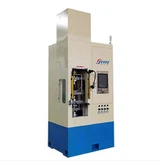
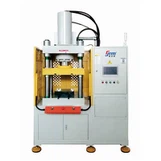
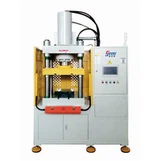
Before we discuss the maximum temperature, let's briefly understand what a hot hydraulic press is. A hot hydraulic press is a machine that uses hydraulic pressure to apply force on a workpiece. It consists of a hydraulic cylinder, a frame, a heating system, and a control panel. The heating system is responsible for raising the temperature of the workpiece to a specific level, making it more malleable and easier to shape.
Hot hydraulic presses are used in a wide range of industries, including automotive, aerospace, manufacturing, and metalworking. They are particularly useful for processes that require high precision and repeatability, such as die forging, powder metallurgy, and hot stamping.
Factors Affecting the Maximum Temperature
The maximum temperature of a hot hydraulic press depends on several factors, including the type of heating system, the materials used in the construction of the press, and the application requirements. Let's take a closer look at each of these factors.
Heating System
The heating system is one of the most important components of a hot hydraulic press. There are several types of heating systems available, including electric heating, gas heating, and induction heating. Each type of heating system has its own advantages and disadvantages, and the choice of heating system depends on the specific application requirements.
- Electric Heating: Electric heating is the most common type of heating system used in hot hydraulic presses. It is easy to control, energy-efficient, and provides uniform heating. Electric heating elements are typically installed in the platens or the dies of the press, and they can be adjusted to maintain a specific temperature. The maximum temperature that can be achieved with electric heating depends on the power of the heating elements and the thermal conductivity of the materials being heated. In general, electric heating can achieve temperatures up to 1,000°C (1,832°F).
- Gas Heating: Gas heating is another option for hot hydraulic presses. It is typically used for applications that require high temperatures and fast heating rates. Gas heating systems use natural gas or propane to heat the platens or the dies of the press. Gas heating can achieve higher temperatures than electric heating, but it is less energy-efficient and requires more maintenance. The maximum temperature that can be achieved with gas heating depends on the type of gas used and the design of the heating system. In general, gas heating can achieve temperatures up to 1,500°C (2,732°F).
- Induction Heating: Induction heating is a relatively new technology that is becoming increasingly popular in the hot hydraulic press industry. It uses electromagnetic fields to heat the workpiece directly, without the need for a heating element. Induction heating is very fast, energy-efficient, and provides precise temperature control. The maximum temperature that can be achieved with induction heating depends on the power of the induction heater and the properties of the workpiece. In general, induction heating can achieve temperatures up to 2,000°C (3,632°F).
Materials Used in the Construction of the Press
The materials used in the construction of the hot hydraulic press also play a role in determining the maximum temperature. The platens, the dies, and the hydraulic components of the press must be able to withstand high temperatures without deforming or losing their mechanical properties.
- Platens and Dies: The platens and the dies of the hot hydraulic press are typically made of high-strength steel or alloy steel. These materials have excellent thermal conductivity and can withstand high temperatures without deforming. The surface of the platens and the dies is often coated with a heat-resistant material, such as ceramic or tungsten carbide, to improve their wear resistance and reduce friction.
- Hydraulic Components: The hydraulic components of the hot hydraulic press, such as the cylinders, the pumps, and the valves, must also be able to withstand high temperatures. Hydraulic fluids with high flash points and good thermal stability are used to ensure the proper operation of the hydraulic system at high temperatures.
Application Requirements
The maximum temperature of a hot hydraulic press also depends on the specific application requirements. Different materials require different temperatures to be shaped or formed. For example, aluminum alloys typically require temperatures between 300°C (572°F) and 500°C (932°F), while steel alloys may require temperatures up to 1,200°C (2,192°F).
In addition to the temperature requirements, the application may also require a specific heating rate, a specific holding time, or a specific cooling rate. These factors must be taken into account when determining the maximum temperature of the hot hydraulic press.


Typical Maximum Temperatures for Different Applications
Based on our experience in the industry, here are some typical maximum temperatures for different applications of hot hydraulic presses:
- Aluminum Forging: Aluminum forging typically requires temperatures between 300°C (572°F) and 500°C (932°F). At these temperatures, the aluminum becomes more malleable and easier to shape. Our 75 Ton Hydraulic Press is a popular choice for aluminum forging applications, as it provides the necessary force and precision.
- Steel Forging: Steel forging requires higher temperatures than aluminum forging. Depending on the type of steel, the temperature may range from 800°C (1,472°F) to 1,200°C (2,192°F). Our Electric Hydraulic Press for Blacksmithing is designed for high-temperature applications and can be used for steel forging with ease.
- Powder Metallurgy: Powder metallurgy involves the compaction and sintering of metal powders to form complex shapes. The sintering process typically requires temperatures between 600°C (1,112°F) and 1,000°C (1,832°F). Our 20 Ton Benchtop Press is a compact and versatile press that is suitable for powder metallurgy applications.
Importance of Temperature Control
Maintaining a precise temperature is crucial for the success of any hot hydraulic press application. If the temperature is too low, the material may not be malleable enough to be shaped properly. On the other hand, if the temperature is too high, the material may become overheated, leading to deformation, cracking, or other defects.
Modern hot hydraulic presses are equipped with advanced temperature control systems that allow for precise control of the heating and cooling processes. These systems use sensors to monitor the temperature of the platens, the dies, and the workpiece, and they adjust the heating elements or the cooling system accordingly.
Contact Us for Your Hot Hydraulic Press Needs
If you're in the market for a hot hydraulic press, we're here to help. As a leading supplier of hot hydraulic presses, we offer a wide range of machines to meet your specific application requirements. Our presses are designed and manufactured to the highest standards of quality and reliability, and we provide excellent customer support and after-sales service.
Whether you need a small benchtop press for a laboratory or a large industrial press for high-volume production, we have the right solution for you. Contact us today to discuss your hot hydraulic press needs and to get a free quote. We look forward to working with you.
References
- "Handbook of Press Technology" by G. L. Vanden Boogaard and A. H. van den Boogaard
- "Metal Forming: Processes and Applications" by P. K. Mallick
- "Hydraulic Presses: Design and Operation" by J. R. Davis