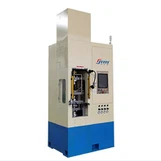
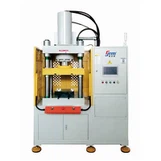
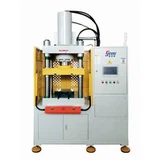
As a supplier of Electric Over Hydraulic Presses, I understand the importance of keeping these powerful machines in optimal working condition. Electric over hydraulic presses are widely used in various industries for tasks such as metal forming, punching, and assembly. However, like any mechanical equipment, they can encounter common problems that may disrupt operations. In this blog post, I will share some effective troubleshooting methods for these issues.
1. Pressure Problems
Low Pressure
One of the most common problems with electric over hydraulic presses is low pressure. This can significantly affect the press's performance, leading to incomplete operations or sub - standard products.
Possible Causes:
- Leaking Hydraulic Fluid: Check all hydraulic hoses, fittings, and cylinders for signs of leakage. A small leak can gradually reduce the hydraulic fluid level, which in turn lowers the pressure. Inspect the connections for loose nuts or damaged seals.
- Faulty Pump: The hydraulic pump is responsible for generating the pressure. A worn - out or damaged pump may not be able to produce the required pressure. Look for signs of abnormal noise or vibration from the pump, which could indicate internal damage.
- Clogged Filters: Hydraulic filters are designed to remove contaminants from the fluid. If they become clogged, the flow of fluid is restricted, resulting in lower pressure. Replace the filters regularly according to the manufacturer's recommendations.
Solutions:
- Seal Leaks: If you find a leak, tighten the loose connections or replace the damaged seals. Make sure to use the correct type and size of seals for your press.
- Replace the Pump: If the pump is faulty, it may need to be replaced. Consult the press's manual or contact a professional technician to ensure the correct replacement pump is selected.
- Change Filters: Replace clogged filters with new ones. This simple maintenance step can often restore normal pressure.
High Pressure
On the other hand, high pressure can also be a problem. It can cause excessive stress on the hydraulic components, leading to premature wear and potential damage.


Possible Causes:
- Malfunctioning Pressure Relief Valve: The pressure relief valve is designed to limit the maximum pressure in the hydraulic system. If it fails to open at the set pressure, the pressure will continue to rise.
- Incorrect Pump Settings: The pump may be set to deliver more pressure than required. This could be due to a misconfiguration or a problem with the control system.
Solutions:
- Adjust or Replace the Relief Valve: Check the pressure relief valve and adjust it to the correct setting. If it is damaged, replace it with a new one.
- Check Pump Settings: Review the pump settings and make sure they are in line with the press's requirements. If necessary, recalibrate the control system.
2. Movement Issues
Slow or Erratic Movement
If the press's ram moves slowly or in an erratic manner, it can affect the efficiency and accuracy of the operations.
Possible Causes:
- Air in the Hydraulic System: Air bubbles in the hydraulic fluid can cause spongy or inconsistent movement. This can happen when the system is not properly bled or if there is a leak that allows air to enter.
- Worn or Damaged Cylinders: The hydraulic cylinders are responsible for moving the ram. Over time, the seals and pistons in the cylinders can wear out, leading to reduced movement speed and stability.
- Insufficient Hydraulic Fluid: A low level of hydraulic fluid can also cause slow movement. The pump may not be able to supply enough fluid to the cylinders to operate at full capacity.
Solutions:
- Bleed the System: To remove air from the hydraulic system, follow the bleeding procedure outlined in the press's manual. This usually involves opening the bleed valves at specific points in the system and allowing the air to escape.
- Replace Cylinder Components: If the cylinders are worn or damaged, replace the seals and pistons as needed. This will restore the proper functioning of the cylinders.
- Add Hydraulic Fluid: Check the fluid level in the reservoir and add the appropriate type and amount of hydraulic fluid if it is low.
No Movement at All
A complete lack of movement in the press can be a serious issue.
Possible Causes:
- Electrical Problems: Faulty electrical connections, a blown fuse, or a malfunctioning control panel can prevent the press from operating. Check all electrical components for signs of damage or loose connections.
- Hydraulic Pump Failure: If the pump fails to operate, there will be no hydraulic pressure to move the ram. This could be due to a mechanical problem in the pump or an issue with the power supply.
- Blocked Hydraulic Lines: Debris or contaminants in the hydraulic lines can block the flow of fluid, preventing the cylinders from moving.
Solutions:
- Check Electrical System: Inspect all electrical connections, fuses, and the control panel. Replace any damaged components and ensure all connections are secure.
- Repair or Replace the Pump: If the pump is not working, have it repaired or replaced by a qualified technician.
- Clean or Replace Hydraulic Lines: Flush the hydraulic lines to remove any blockages. If the lines are severely damaged, they may need to be replaced.
3. Noise and Vibration
Excessive noise and vibration during the operation of the electric over hydraulic press can be a sign of underlying problems.
Possible Causes:
- Loose Components: Loose bolts, nuts, or other components can cause rattling and vibration. Check all the fasteners on the press and tighten them as necessary.
- Worn Bearings: Bearings in the pump, motor, or other moving parts can wear out over time, causing noise and vibration. Listen for a grinding or whining noise, which may indicate bearing problems.
- Imbalanced Rotating Parts: If the rotating parts of the press, such as the flywheel or motor, are not balanced correctly, it can lead to vibration.
Solutions:
- Tighten Loose Parts: Inspect the press for loose components and tighten them to eliminate rattling.
- Replace Worn Bearings: If the bearings are worn, replace them with new ones. This will reduce noise and vibration and prevent further damage to the equipment.
- Balance Rotating Parts: Have the rotating parts of the press balanced by a professional. This will ensure smooth operation and reduce vibration.
4. Overheating
Overheating is another common problem that can affect the performance and lifespan of the electric over hydraulic press.
Possible Causes:
- Excessive Load: Operating the press beyond its rated capacity can cause the hydraulic system to overheat. This puts additional stress on the pump and other components, generating more heat.
- Poor Ventilation: If the press is located in an area with poor ventilation, the heat generated during operation cannot dissipate effectively, leading to overheating.
- Dirty Coolers: The hydraulic coolers are designed to remove heat from the fluid. If they are dirty or clogged, they cannot function properly, causing the fluid temperature to rise.
Solutions:
- Reduce the Load: Make sure the press is not being overloaded. Check the rated capacity of the press and adjust the workload accordingly.
- Improve Ventilation: Ensure that the press has adequate ventilation. Move it to a more open area or install additional fans or ventilation systems if necessary.
- Clean the Coolers: Regularly clean the hydraulic coolers to remove dirt and debris. This will improve their cooling efficiency and prevent overheating.
Conclusion
Troubleshooting common problems with an electric over hydraulic press requires a systematic approach. By understanding the possible causes and solutions for issues such as pressure problems, movement issues, noise and vibration, and overheating, you can keep your press in good working condition and minimize downtime.
If you are in the market for a new electric over hydraulic press, we offer a wide range of products, including Industrial Hydraulic Press Machine, Jet Hydraulic Press, and 4 Post Hydraulic Press. Our presses are designed for high performance and reliability. If you have any questions or would like to discuss your specific requirements, please feel free to contact us for a procurement negotiation.
References
- Manufacturer's manuals for electric over hydraulic presses
- Industry standards and best practices for hydraulic system maintenance